





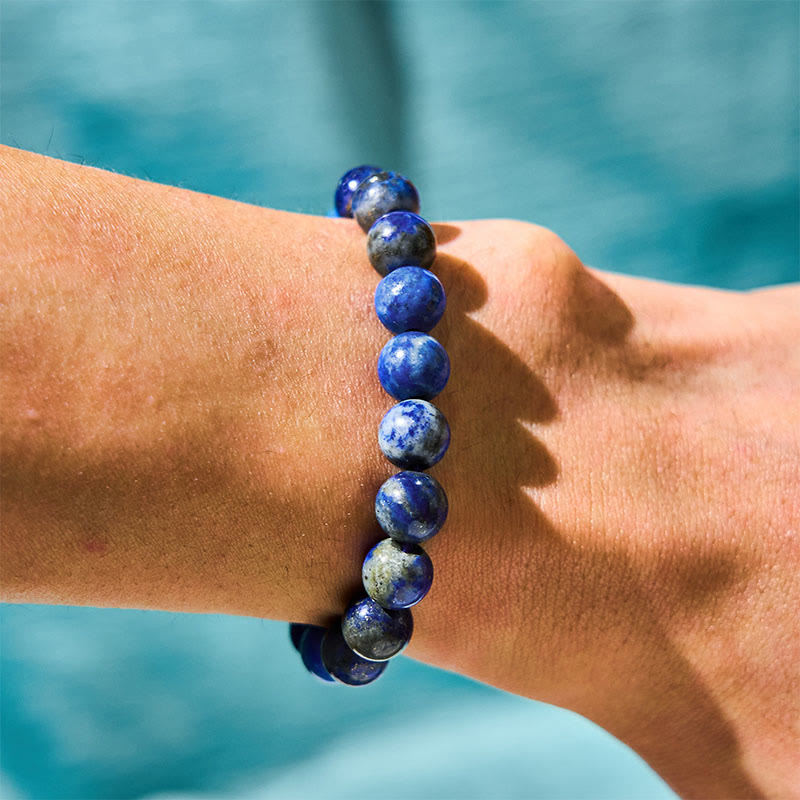
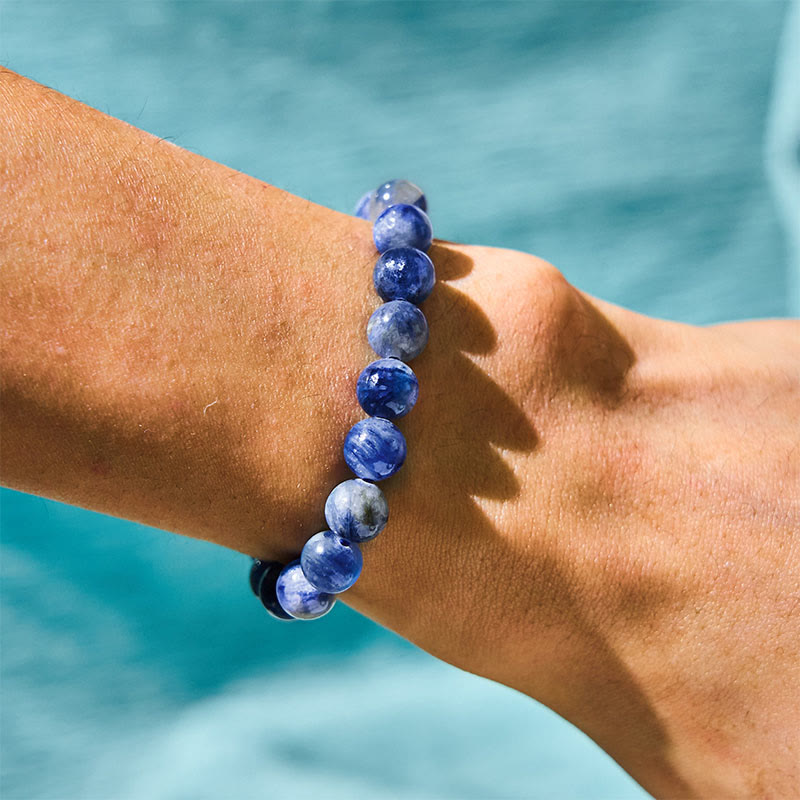

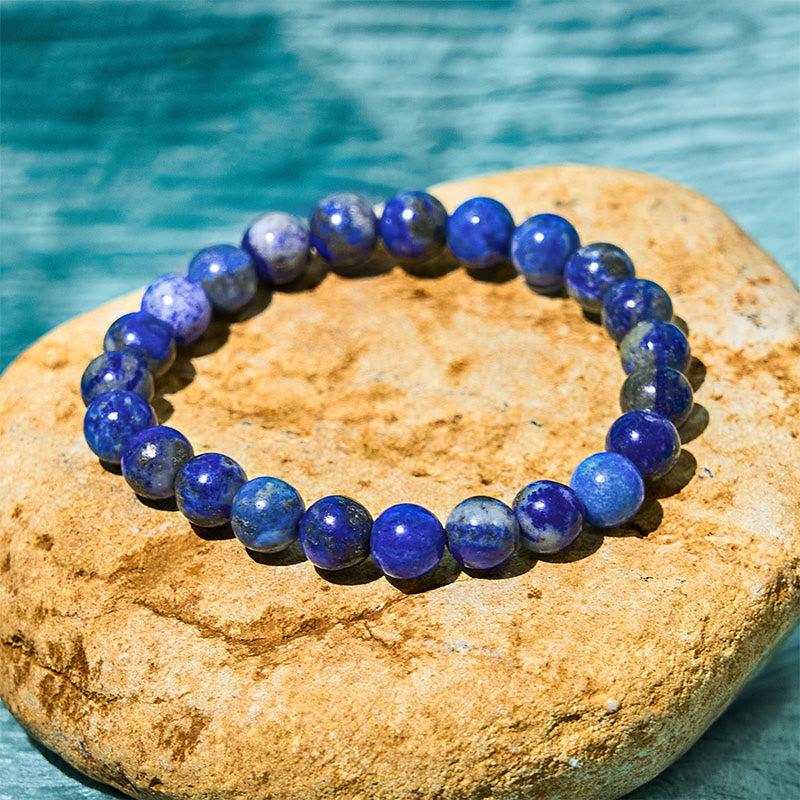
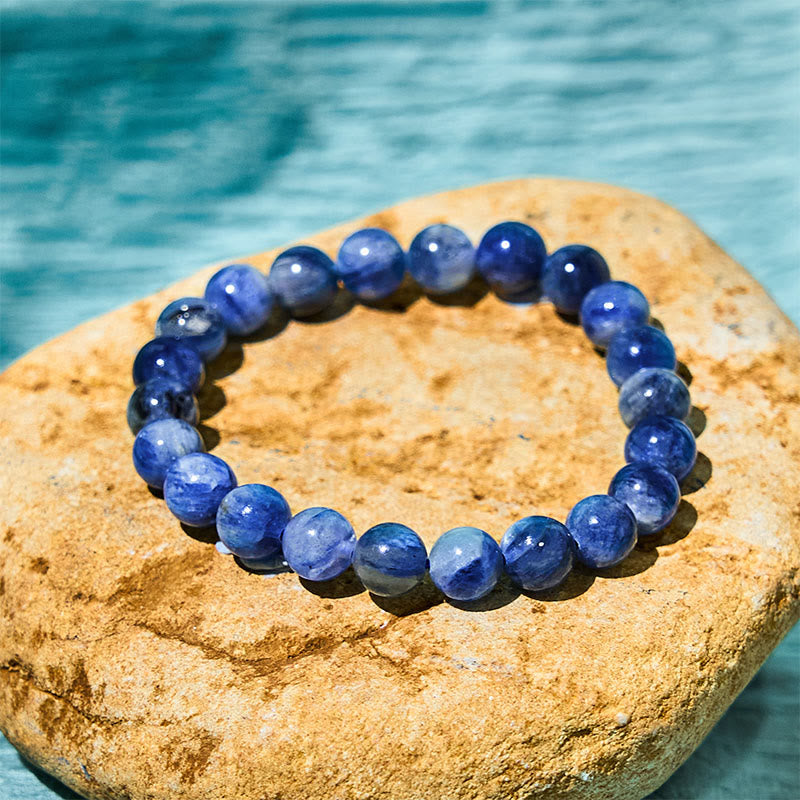







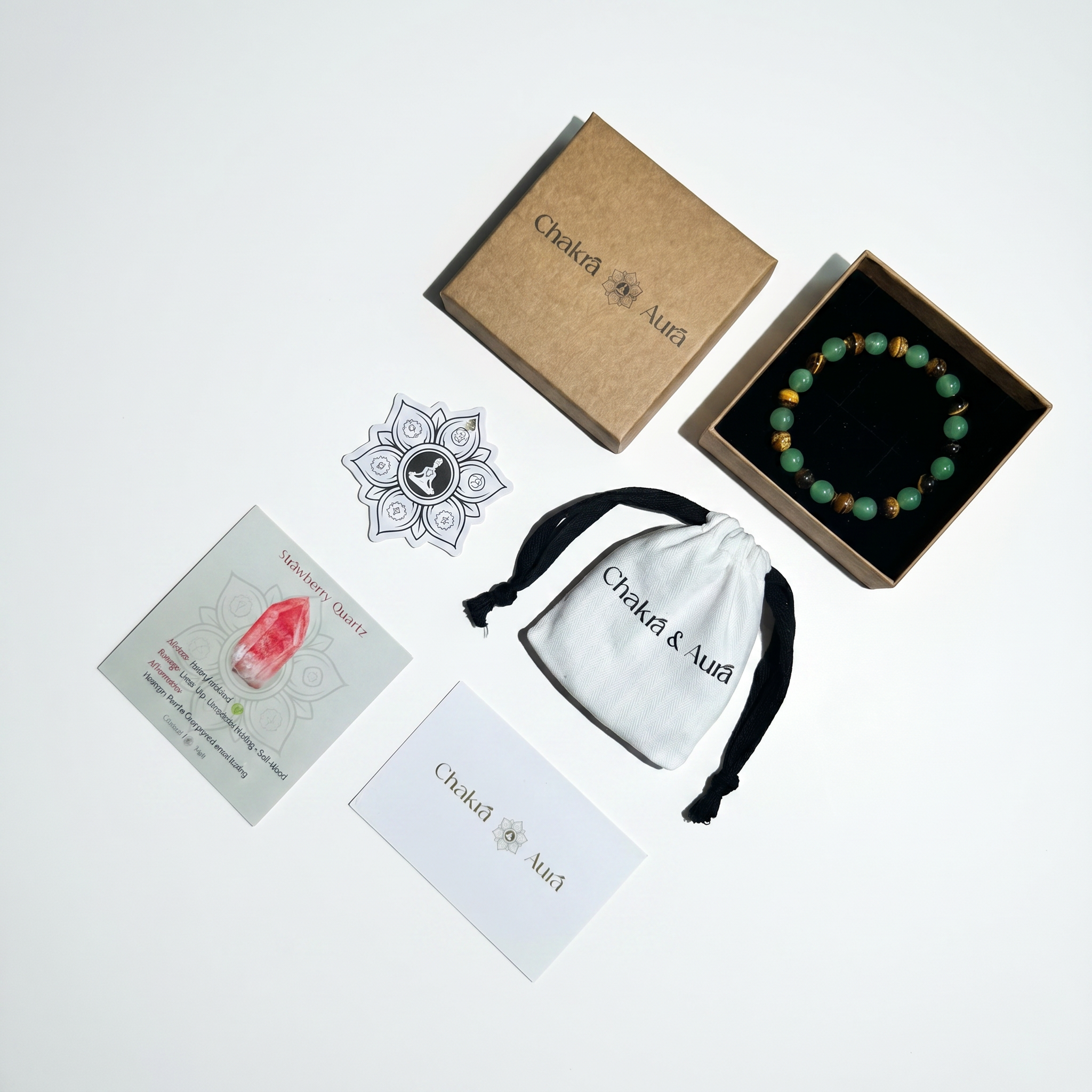

Real crystal bracelets vs fake often comes down to a few everyday clues: how transparent the seller is about what the bracelet is made of, whether the color looks naturally varied, and whether the listing clearly says “natural” vs “resin,” “glass,” or “composite.” You don’t need lab gear to make a smarter call—you just need a consistent checklist.
What “real” can mean (and why wording matters)
In jewelry listings, “real” can mean different things. A bracelet may be made with natural stone beads, or it may use reconstituted/composite materials (for example, resin-based pieces that include chips or fragments). Neither category is automatically “bad,” but they should be described clearly so you can buy what you intend to wear.
For example, Chakra & Aura’s Natural Amethyst Crystal Bead Bracelet is presented as being made with natural amethyst stones, while the 7 Chakra Stones Crystals Balance Bracelet
 description includes a mix of stones and also mentions yellow resin. That kind of specific wording helps set expectations.
Fast visual checks: what to look for on the bracelet itself
1) Color variation that looks organic
Natural stones usually show small differences bead-to-bead: tiny shifts in tone, subtle banding, cloudiness, or specks. Extremely uniform color across every bead can be a hint of dyed material or glass—though some genuine stones can still look fairly consistent. Use this as a clue, not a final verdict.
2) Patterns that repeat too perfectly
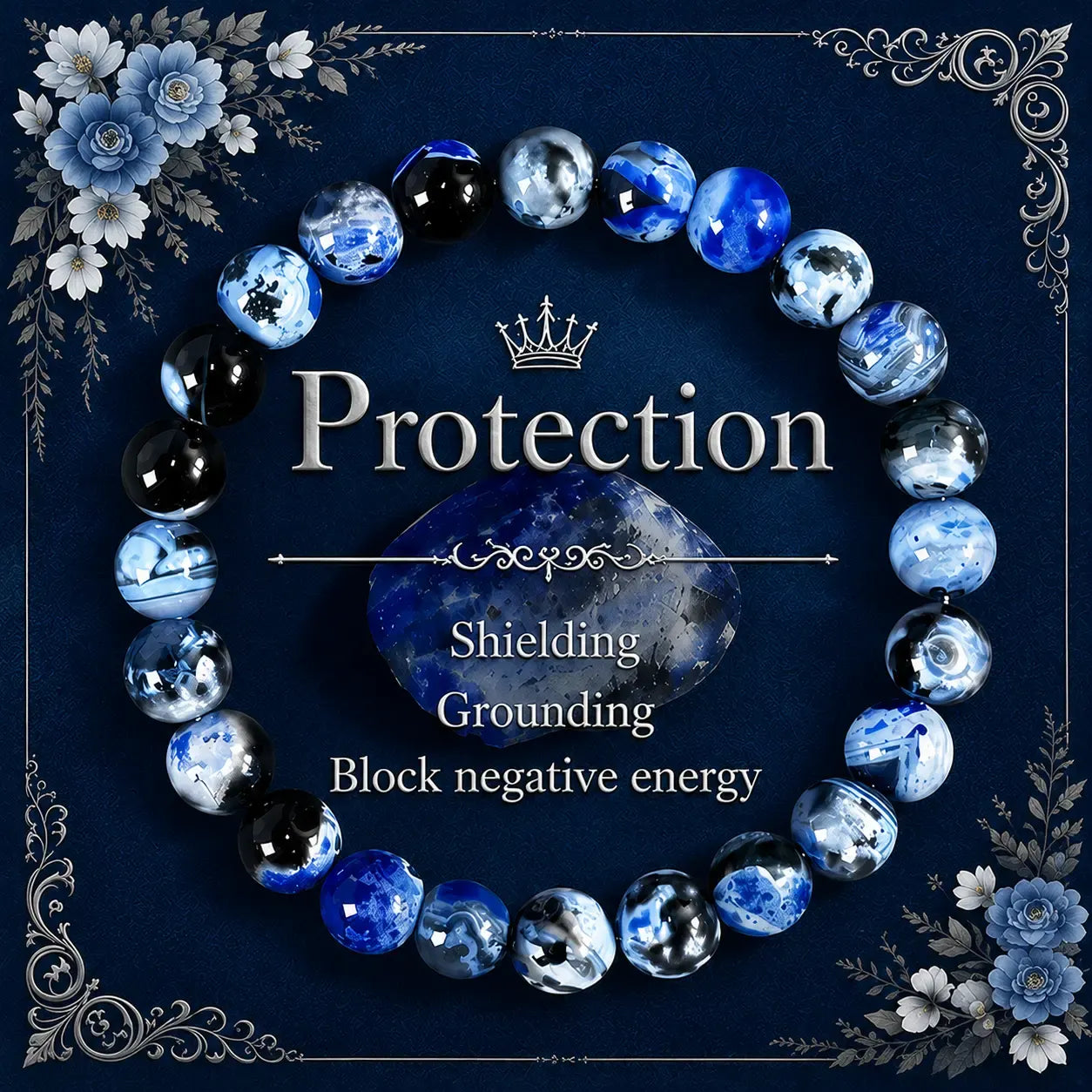
If you see the exact same “swirl” or “strand-like” pattern repeating on multiple beads, that can suggest a manufactured look. Natural inclusions can be striking, but exact repetition is uncommon.
3) Surface feel and finish
Many stone beads are polished, so they can still feel smooth and glossy. However, very “plastic-like” shine (especially paired with ultra-uniform color) may raise questions. If you can, examine the drill holes: messy holes, flaking color near the hole, or a coating that looks chipped can be warning signs.
Listing checks: how to evaluate a product page
1) Material details are specific (not just “crystal”)
Prefer listings that name the stones and components. Specificity helps you understand what you’re buying and reduces the chance of “mystery material.” Chakra & Aura product pages typically list stones directly—for instance, the Natural Amethyst Crystal Bead Bracelet focuses on amethyst, while the Natural Crystal Heart Pendant Healing Bracelet offers choices like Amethyst, Black Onyx, Clear Quartz, and Rose Quartz.
2) Watch for honest composites
Some jewelry is intentionally made from composites (for example, resin plus chips or decorative inlays). That’s not automatically “fake”—it’s simply a different material category that should be disclosed. If you’re specifically shopping for natural beads, choose pieces that explicitly say “natural” and list the stone type.
3) “Too-good-to-be-true” claims
Be cautious of listings that promise guaranteed outcomes. Many people enjoy crystals for symbolism, tradition, or personal intention, but no bracelet can promise specific life results. Look for grounded language (design, materials, use cases like meditation reminders) rather than certainty-based claims.
Simple at-home tests (safe, non-damaging)
These won’t prove authenticity the way a gem lab could, but they can help you spot obvious inconsistencies without harming your jewelry.
- Temperature check (brief touch): Many stones feel cool to the touch at first compared with plastic. This is not foolproof—environment matters—but it’s a helpful clue.
- Magnified look: Use your phone camera zoom or a simple magnifier. Look for air bubbles (often seen in glass), flaking dye near holes, or a coating that appears layered.
- Weight in hand: Stone often feels “denser” than plastic. Compare with another known item if you have one. Again, not definitive—but useful.
Avoid scratch tests, heat tests, or chemical tests. They can permanently damage polished stones, coatings, or thread/elastic.
Comparing three options (and why each might fit your goal)
If you’re deciding between styles, these comparisons can help you choose based on transparency and design—not hype.
- For a straightforward “single-stone” bracelet: The Natural Amethyst Crystal Bead Bracelet is a clear choice if you want a simple look focused on one named stone (amethyst).
- For a multi-material, clearly described chakra theme: The 7 Chakra Stones Crystals Balance Bracelet may appeal if you like the seven-stone concept and appreciate that the listing distinguishes stones and also mentions yellow resin as part of the materials.
- For a bracelet with a focal charm and stone options: The Natural Crystal Heart Pendant Healing Bracelet is relevant if you want a heart pendant style and the ability to choose among named crystals like Clear Quartz or Rose Quartz.
Care and handling tips that also reduce “fake” confusion
Sometimes a bracelet gets mistaken for “fake” because it looks dulled, cloudy, or scratched after wear. To keep any crystal or stone-style bracelet looking its best:
- Remove before harsh chores: Soaps, cleaners, and heavy abrasion can affect polish and elastic over time.
- Store separately: Harder stones can scratch softer materials; separating pieces reduces wear.
- Wipe gently: A soft cloth can restore shine without chemicals.
FAQ: Real crystal bracelets vs fake
How can I tell real crystal bracelets vs fake without special tools?
Use a combination of checks: look for natural variation, inspect drill holes for dye or coating wear, read the listing for specific material details, and avoid damaging “scratch” tests. No single sign is perfect, but multiple consistent clues can improve confidence.
If a bracelet uses resin, is it automatically fake?
Not necessarily. Resin-based or composite pieces can be an intentional style choice. The key is accurate labeling so you know whether you’re buying natural stone beads, a composite, or a mixed-material design.
Do real crystals always look imperfect?
Many natural stones have visible variation, but some can look fairly consistent—especially when beads are selected to match. Treat “perfect uniformity” as a prompt to look closer, not an automatic disqualifier.
Is it okay to buy a bracelet for symbolism rather than “proof” it’s real?
Yes. Many people choose crystal-inspired jewelry for personal meaning, tradition, or intention-setting. If that’s your goal, focus on transparent product descriptions and a design you’ll actually wear.
Shopping tip: prioritize sellers who clearly state the stone type and any non-stone components (like resin or metal accents). Clear descriptions make it easier to buy with confidence.


