Best Crystals for Money and Abundance: A Practical, Grounded Guide
If you’re searching for the best crystals for money and abundance, the most reliable place to start is your intention and your habits. Crystals (and traditional symbols used with them) are often treated as tools for focus, motivation, and mindful decision-making—not as guarantees of financial outcomes. In that grounded spirit, this guide shares commonly chosen stones and prosperity symbols, plus practical ways to use them in daily routines.
What “money and abundance” crystals are (and aren’t)
In many modern spiritual practices, certain crystals are associated with prosperity themes—confidence, clarity, discipline, opportunity, and protection of resources. People use them as reminders to stay aligned with goals like budgeting, saving, negotiating, and building skills.
It’s important to keep expectations realistic: crystals don’t replace work, strategy, or professional financial advice. Think of them as a personal ritual object—something you can see and touch that brings you back to your plan.
How to choose the right crystal for abundance (quick checklist)
Pick the mindset you want to reinforce (focus, calm, courage, boundaries, consistency).
Choose a form you’ll actually use: wearable jewelry, a pocket stone, or a desk piece.
Keep it simple: one stone or one bracelet worn daily is often more effective than collecting many items you never touch.
Use it with an action: a crystal paired with a weekly money ritual (reviewing spending, paying bills, planning next steps) becomes a stronger cue.
Commonly chosen crystals and symbols for money and abundance
Below are options people often pair with abundance intentions. Where relevant, you’ll also see store pieces that incorporate these stones or prosperity symbolism.
Amethyst: clarity, calm, and better decisions under stress
Amethyst is often associated with emotional steadiness and mental clarity. For many people, that matters for money because stress can drive impulsive spending or avoidance. If your “abundance” goal is making more consistent, thoughtful choices, amethyst is a popular pick.
Try it if you want: calmer planning, less reactive decisions, more reflective goal-setting.
Simple use: hold the stone for a minute before reviewing accounts or writing a weekly spending plan.
Relevant products:
Pixiu Multistone Amethyst Balance Bracelet — combines amethyst with a Pixiu charm often used in prosperity symbolism, making it a wearable reminder to stay focused on financial intentions.
Tiger’s Eye (often used for confidence and follow-through)
Tiger’s Eye is commonly chosen for themes like confidence and grounded courage—qualities many people want when negotiating, job searching, or taking a measured risk. If “abundance” means showing up consistently and making practical moves, this is a frequent go-to.
Black Obsidian: boundaries and “protecting your resources” symbolism
Black obsidian is often linked with grounding and energetic boundaries. In a money context, some people use it as a symbol for protecting resources—sticking to limits, saying “not right now,” and reducing financial leakage from impulse decisions.
Relevant product:
Pixiu Black Obsidian Wealth Necklace — pairs obsidian with a Pixiu motif; for those drawn to traditional symbolism, it can serve as a daily reminder of protection and deliberate choices.
Pixiu (Pi Yao): traditional prosperity symbolism (culture-forward approach)
Pixiu (also spelled Pi Yao) is a mythical creature in traditional Chinese culture often associated with wealth symbolism. Many people wear Pixiu jewelry as an intention-setting tool tied to prosperity goals. If you’re drawn to that cultural motif, approach it with respect and keep your use grounded: let it remind you to act wisely with money.
Relevant product:
Golden Pixiu Wealth Mantra Bracelet — features a Pixiu charm and mantra-style beads; useful as a tactile cue to stay steady with your financial goals and routines.
A simple “abundance routine” you can actually keep (10 minutes weekly)
Choose one item (a bracelet, necklace, or small stone) and designate it as your money-intention reminder.
Set your weekly money moment: same day, same time (example: Sunday evening).
Touch the item and name one focus: “clarity,” “consistency,” or “boundaries.”
Do one concrete action: review spending, schedule bill pay, move a set amount to savings, or plan one income-building step.
Close with one next step: write a single, specific action for the week (e.g., “apply to two roles,” “send one follow-up invoice,” “cancel one unused subscription”).
Quick comparison: wearable vs. handheld crystals for money intentions
Wearable (bracelet/necklace): best if you want frequent reminders throughout the day. If your goal is consistency, a daily-wear piece can reinforce the habit loop.
Handheld stone: best if you want a focused ritual during planning or reflection. A carved piece can be easy to hold during journaling or budgeting.
Mixed-stone pieces: useful if your intention is “overall balance” rather than a single theme—helpful when money stress overlaps with mood, focus, and confidence.
FAQ
What are the best crystals for money and abundance if I want something practical?
Many people choose stones associated with clarity and steady decision-making (like amethyst) or grounding and boundaries (often linked with black obsidian). The most practical approach is pairing the crystal with a repeatable action—weekly budgeting, savings automation, or a consistent income-building habit.
Are Pixiu bracelets or necklaces supposed to “attract wealth” automatically?
Pixiu is a traditional symbol often associated with prosperity in Chinese culture. Some wear it as a meaningful reminder of financial intention and protection of resources. It’s best viewed as symbolism and personal focus—not a guarantee of outcomes.
How should I use a crystal for abundance without making exaggerated claims?
Use it as a cue for behavior: put it on before work, hold it while planning, or keep it where you pay bills. Then connect it to a concrete step (reviewing expenses, setting a savings target, or preparing for a negotiation).

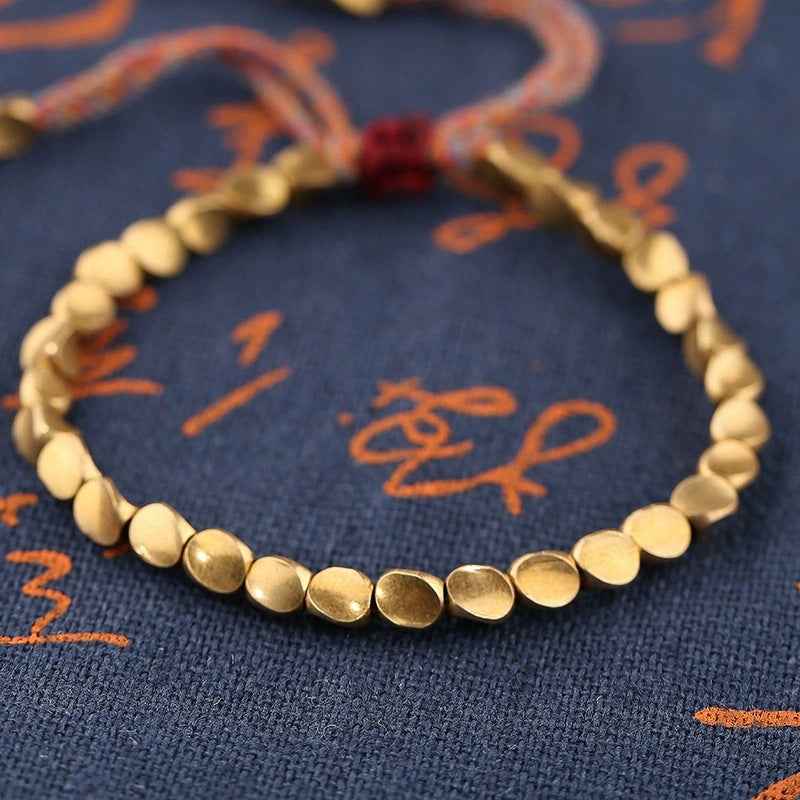
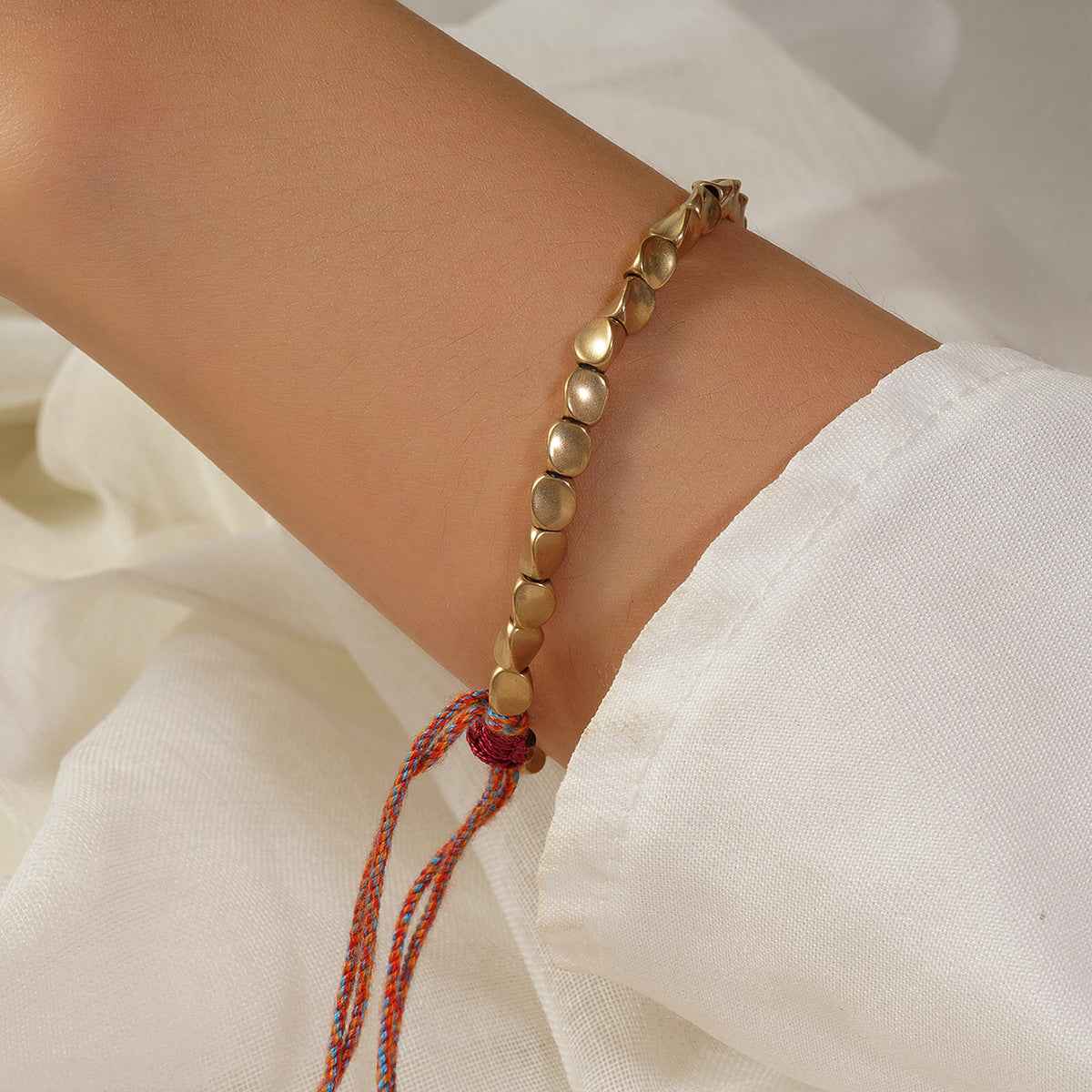
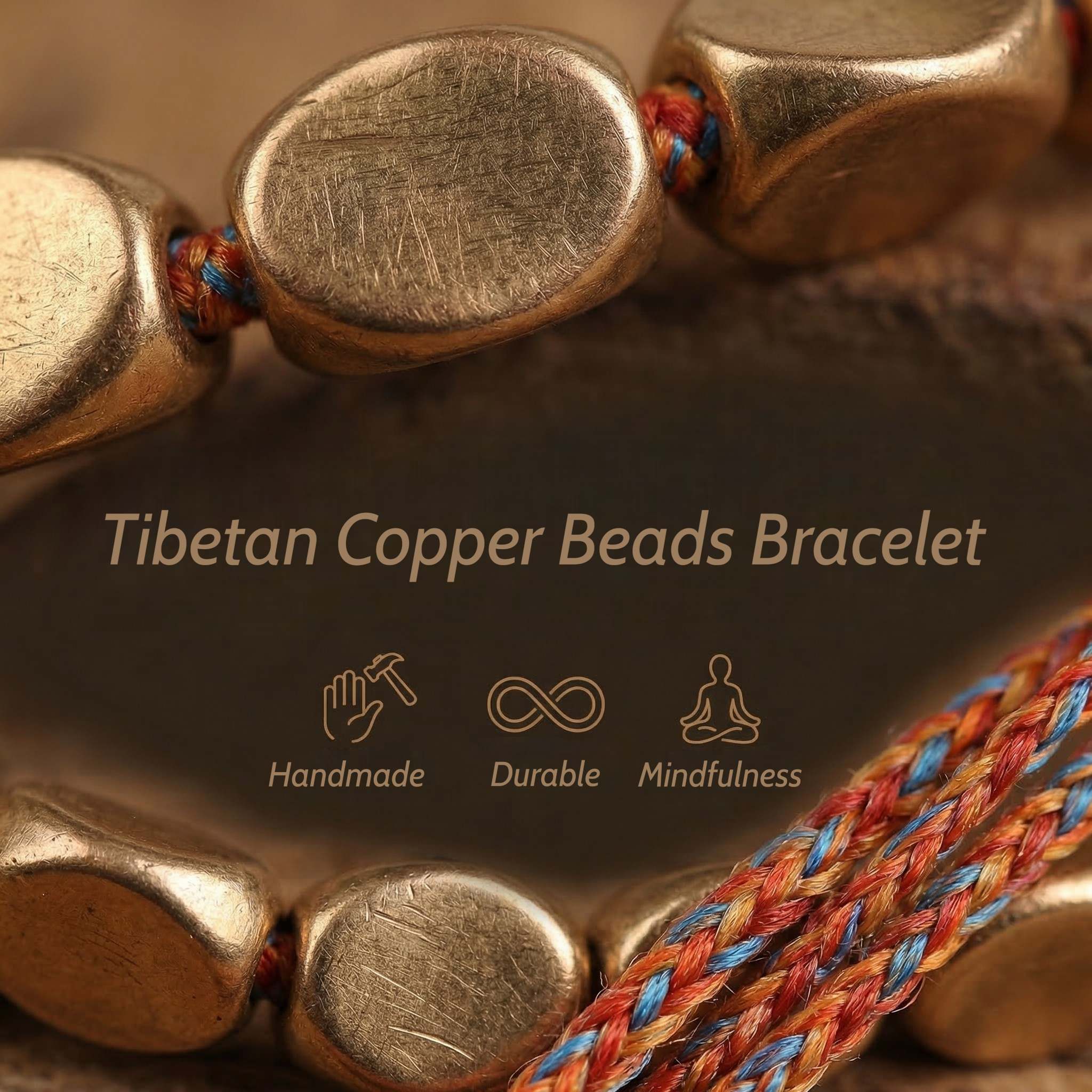
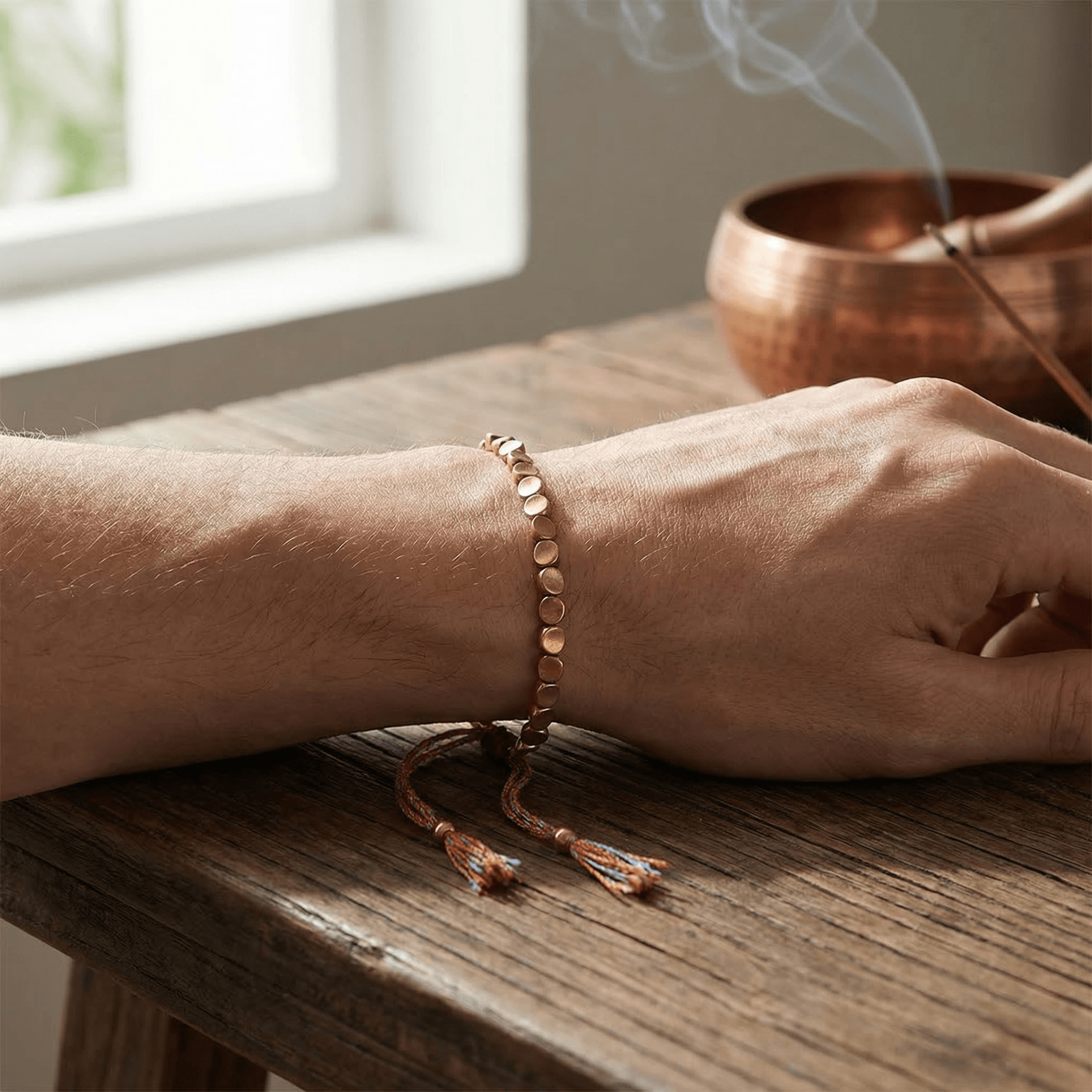
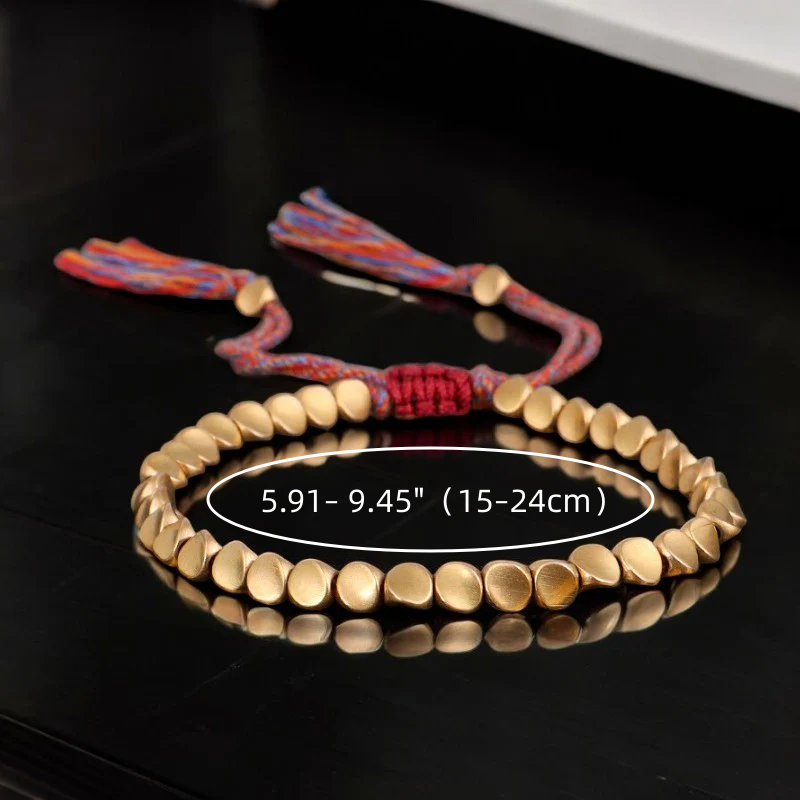

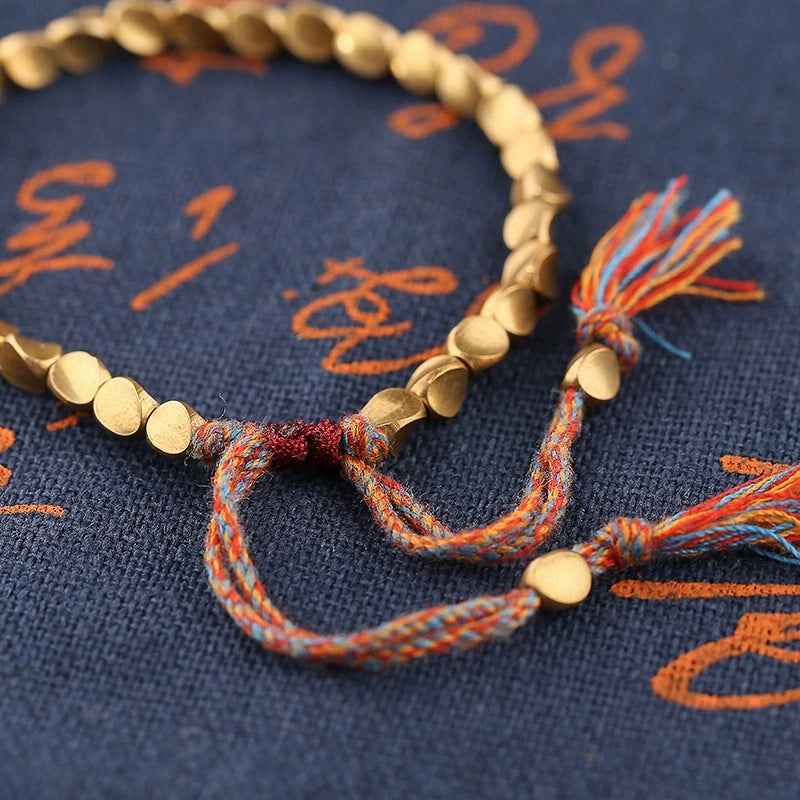
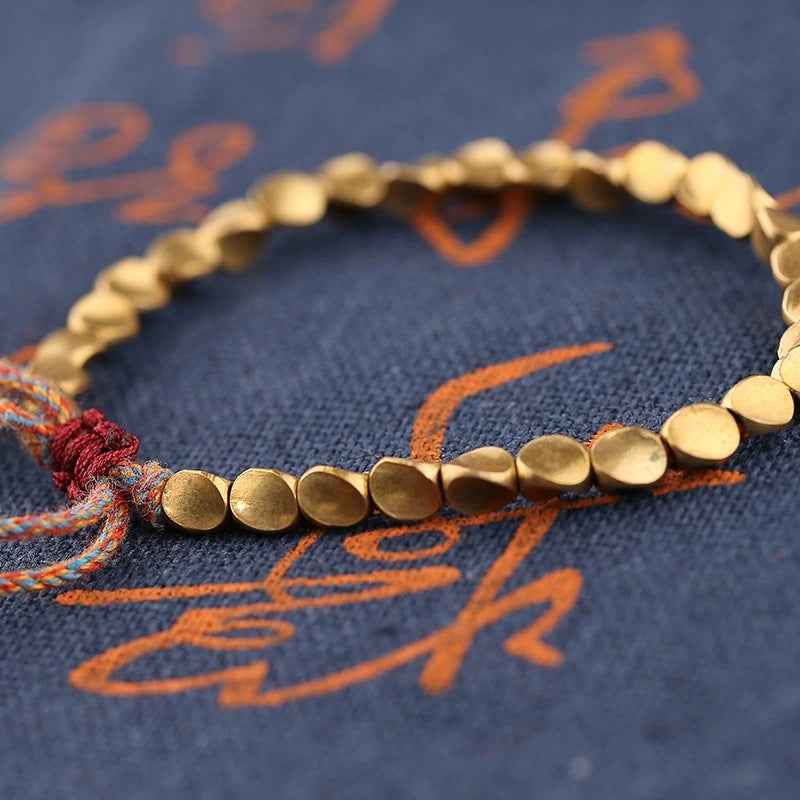

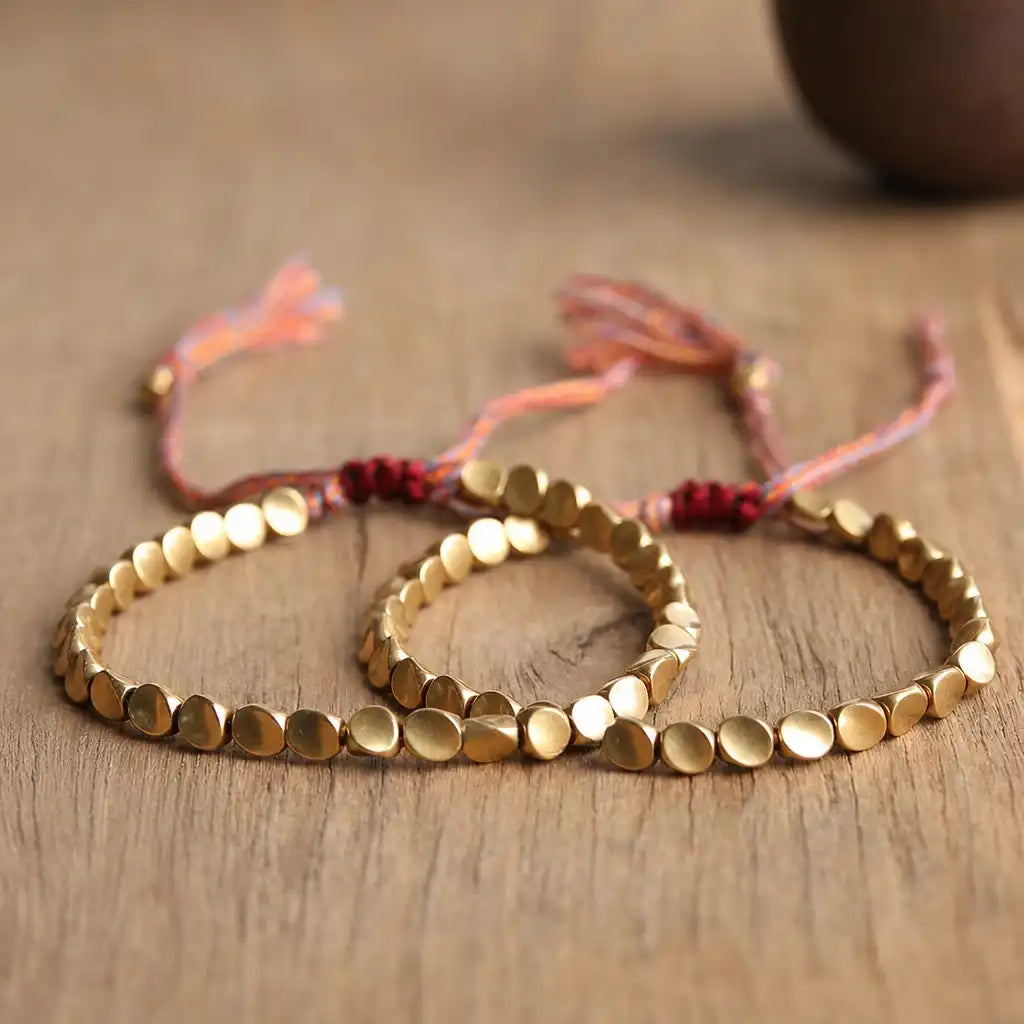
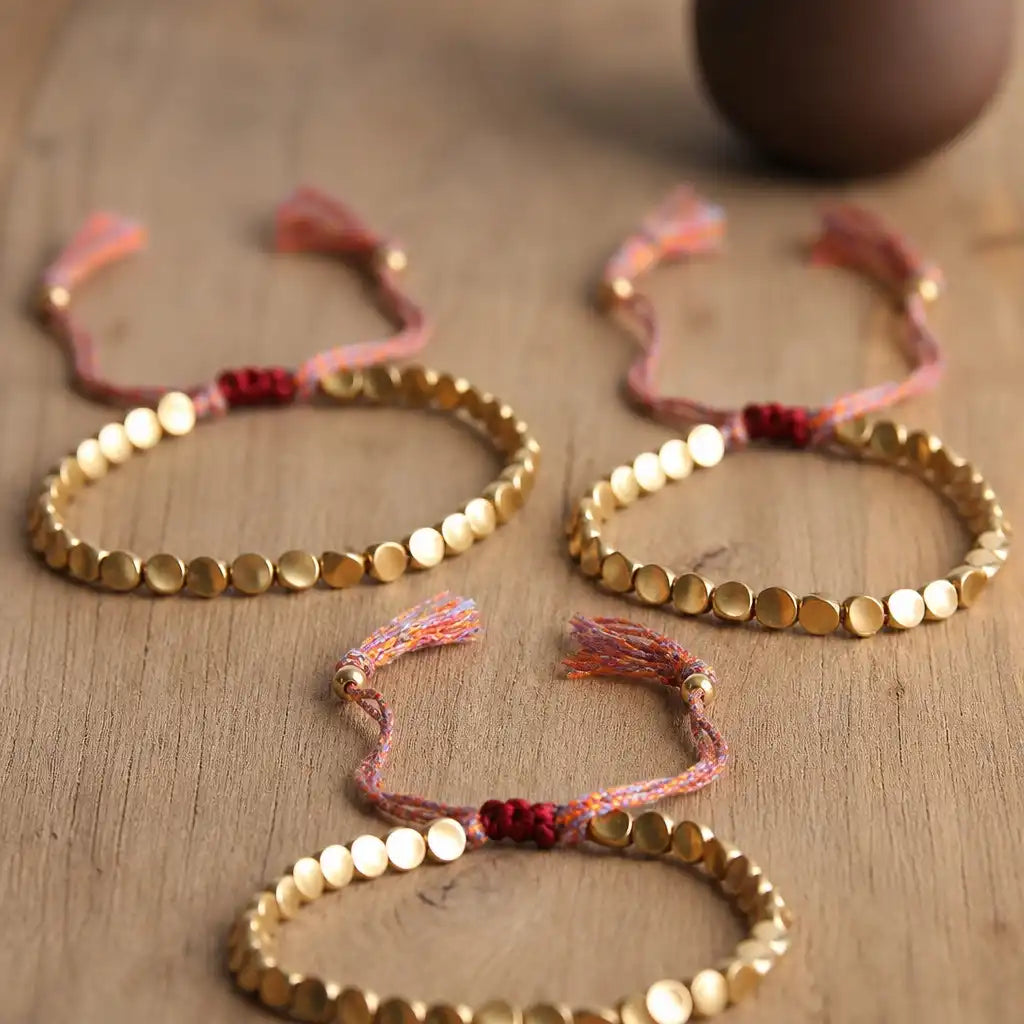
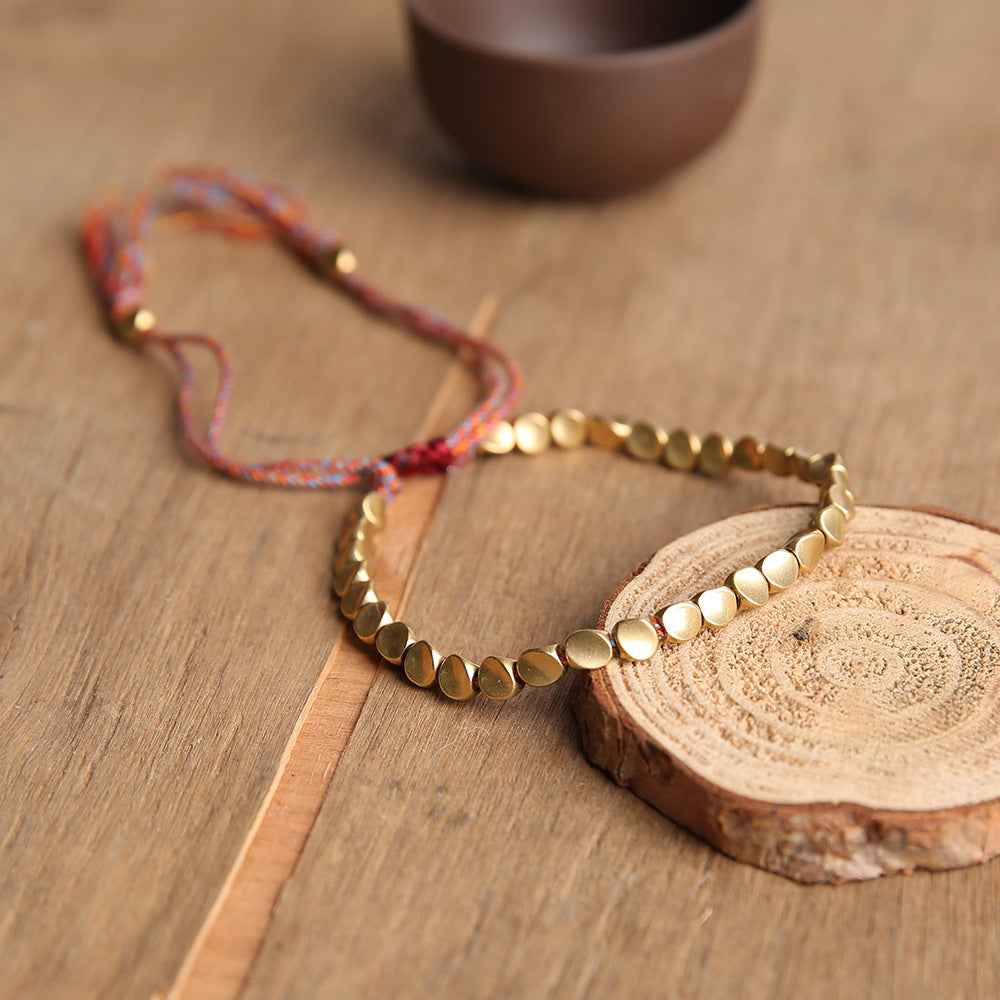

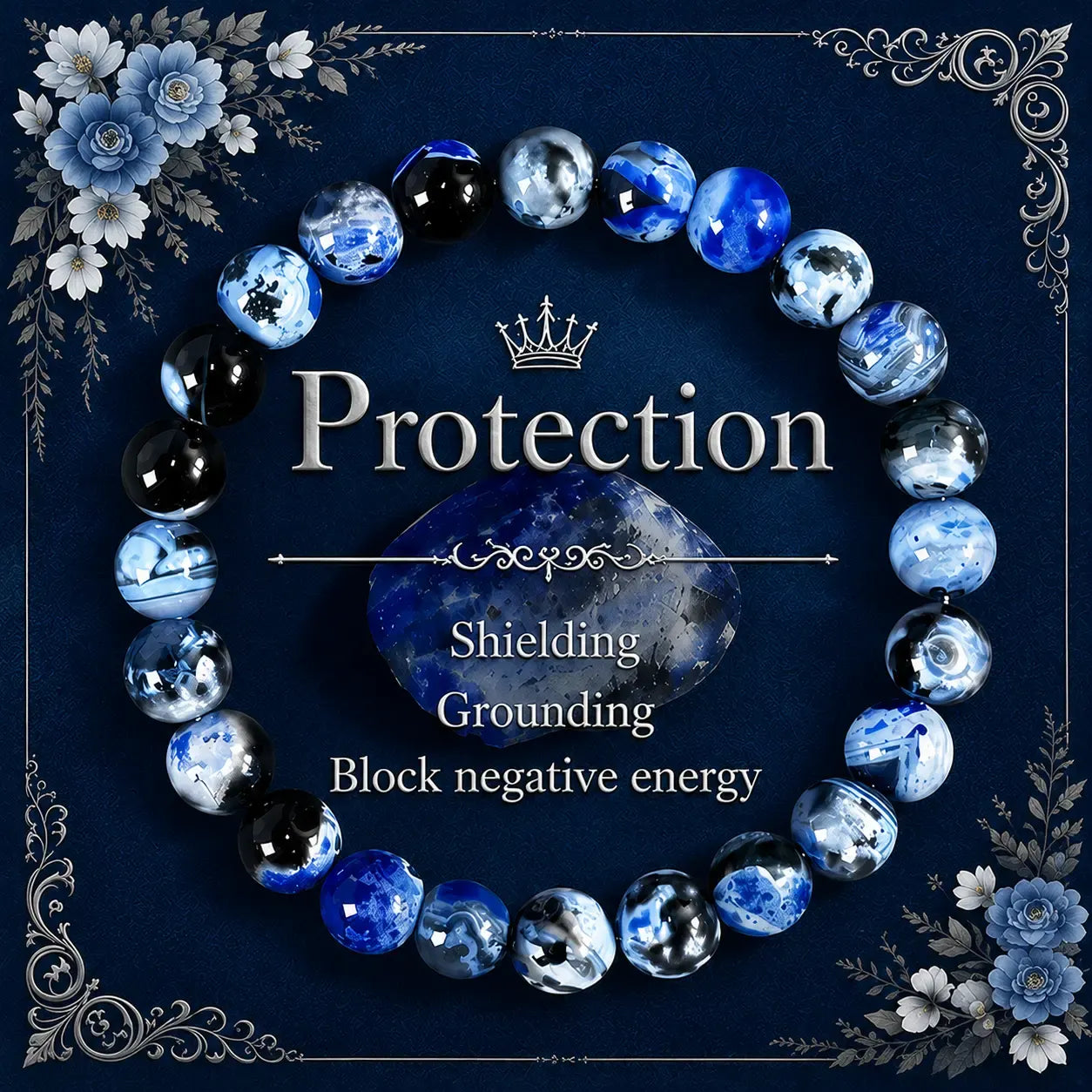

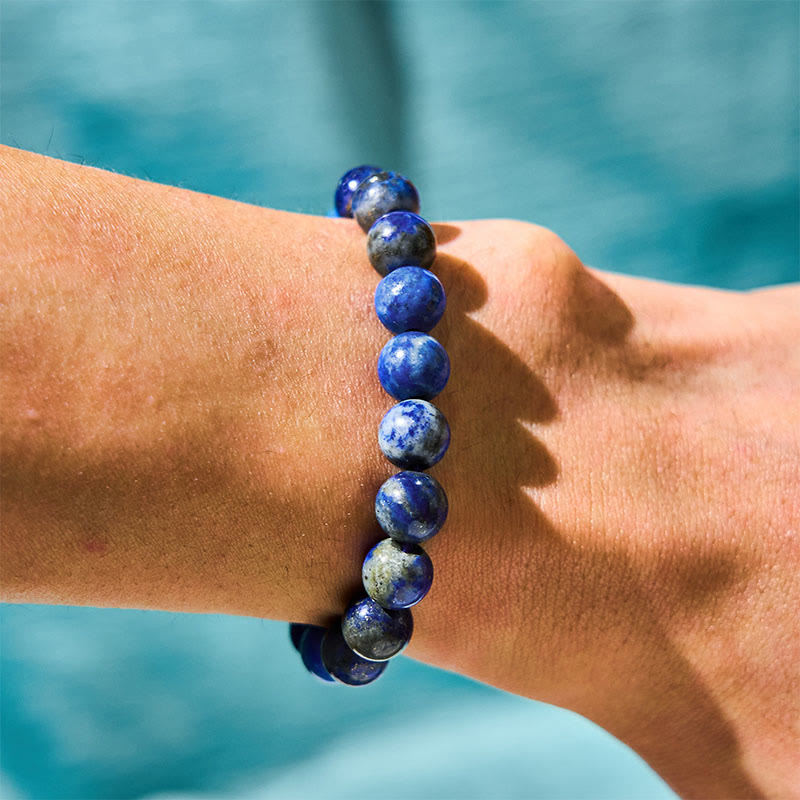
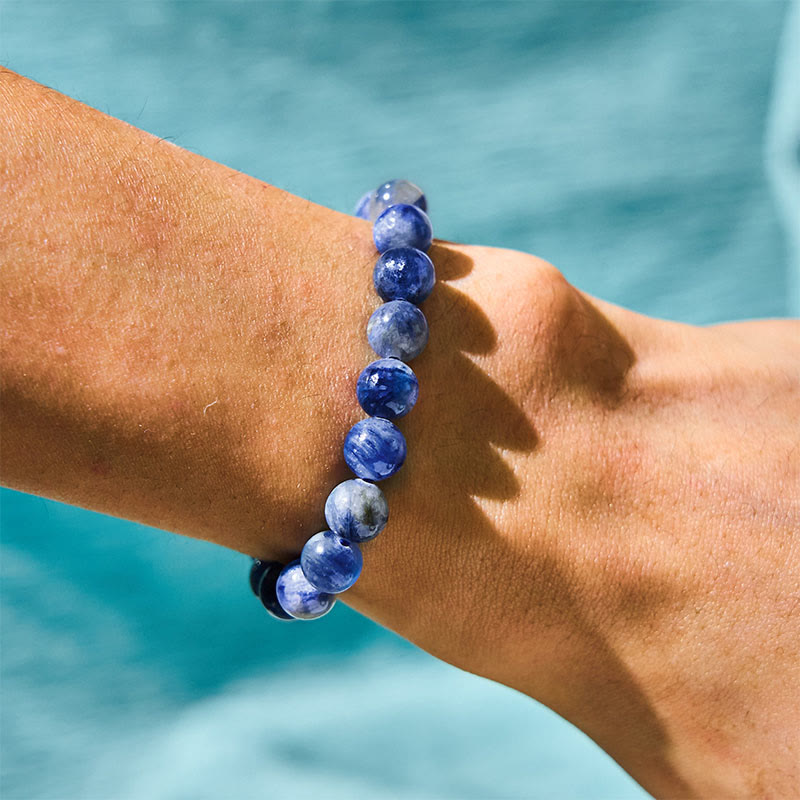

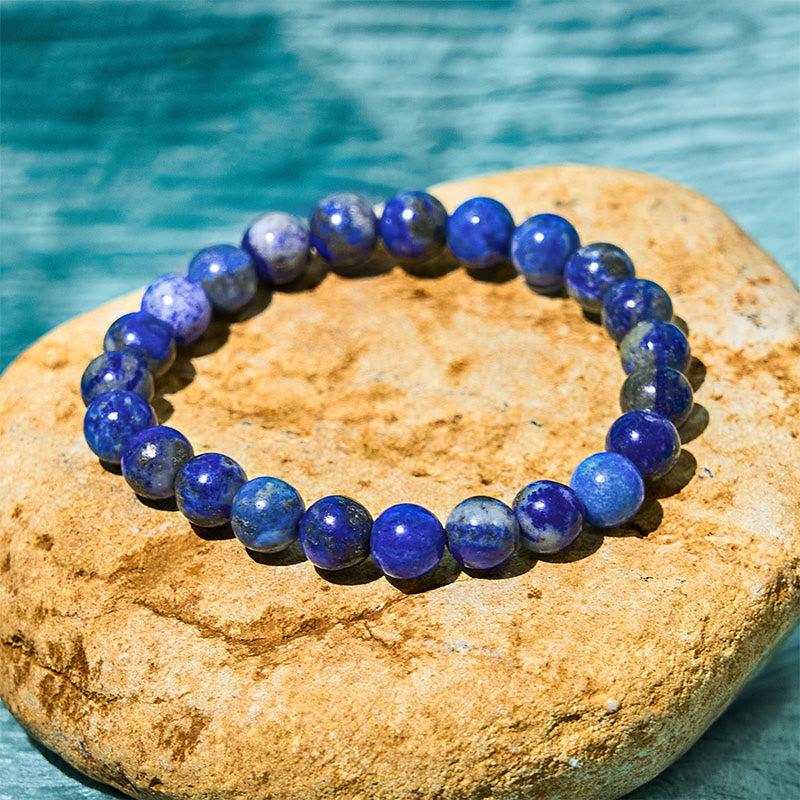
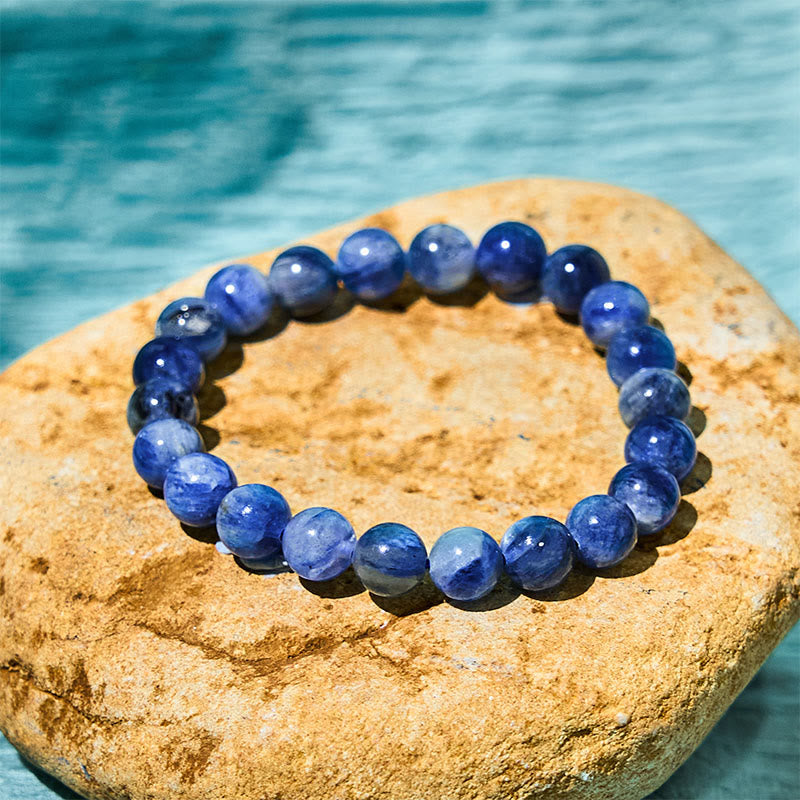

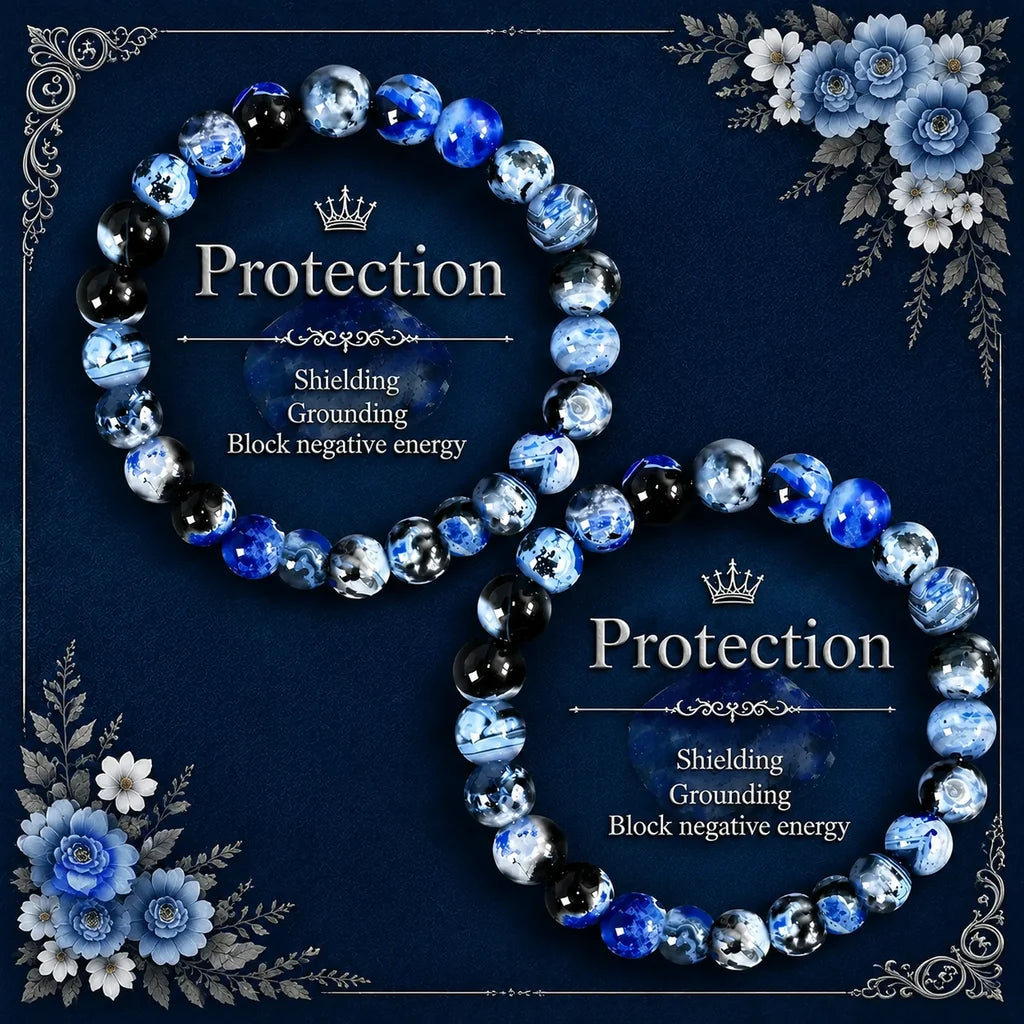
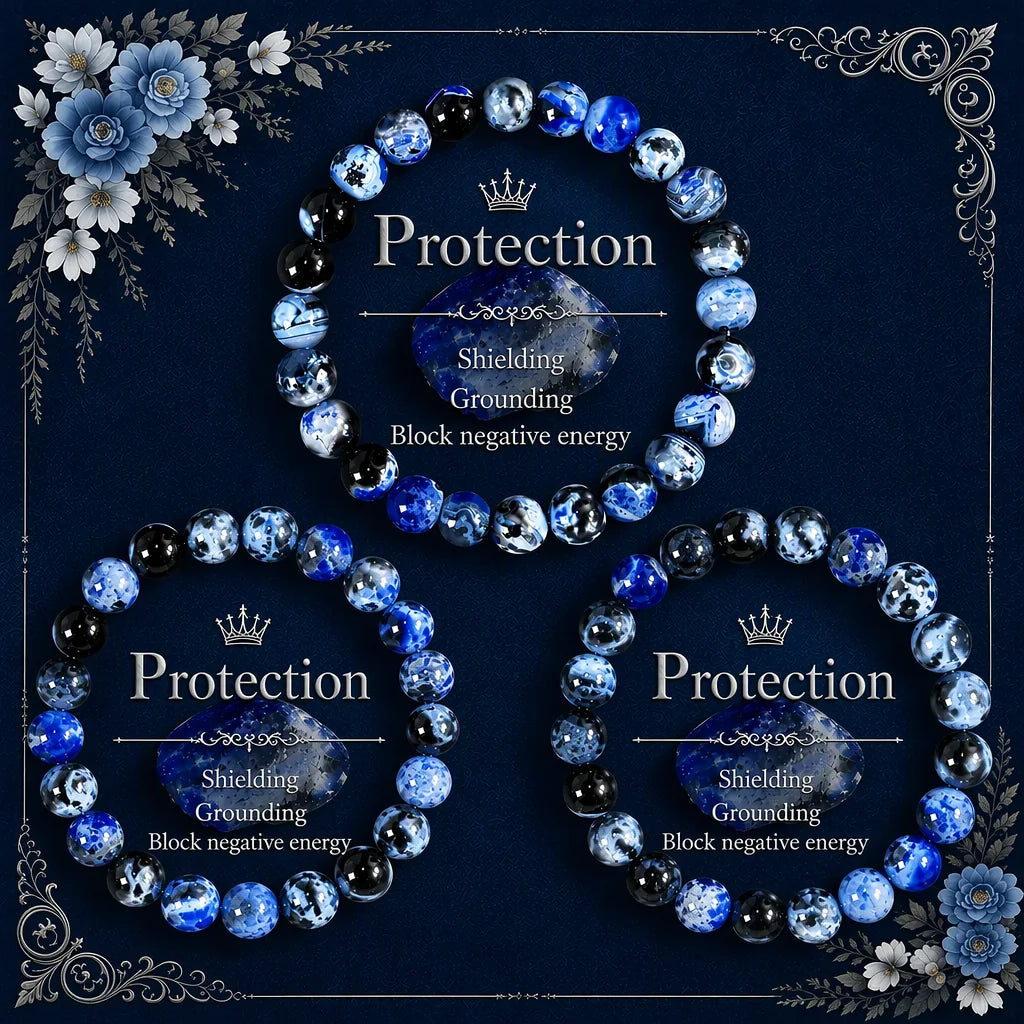
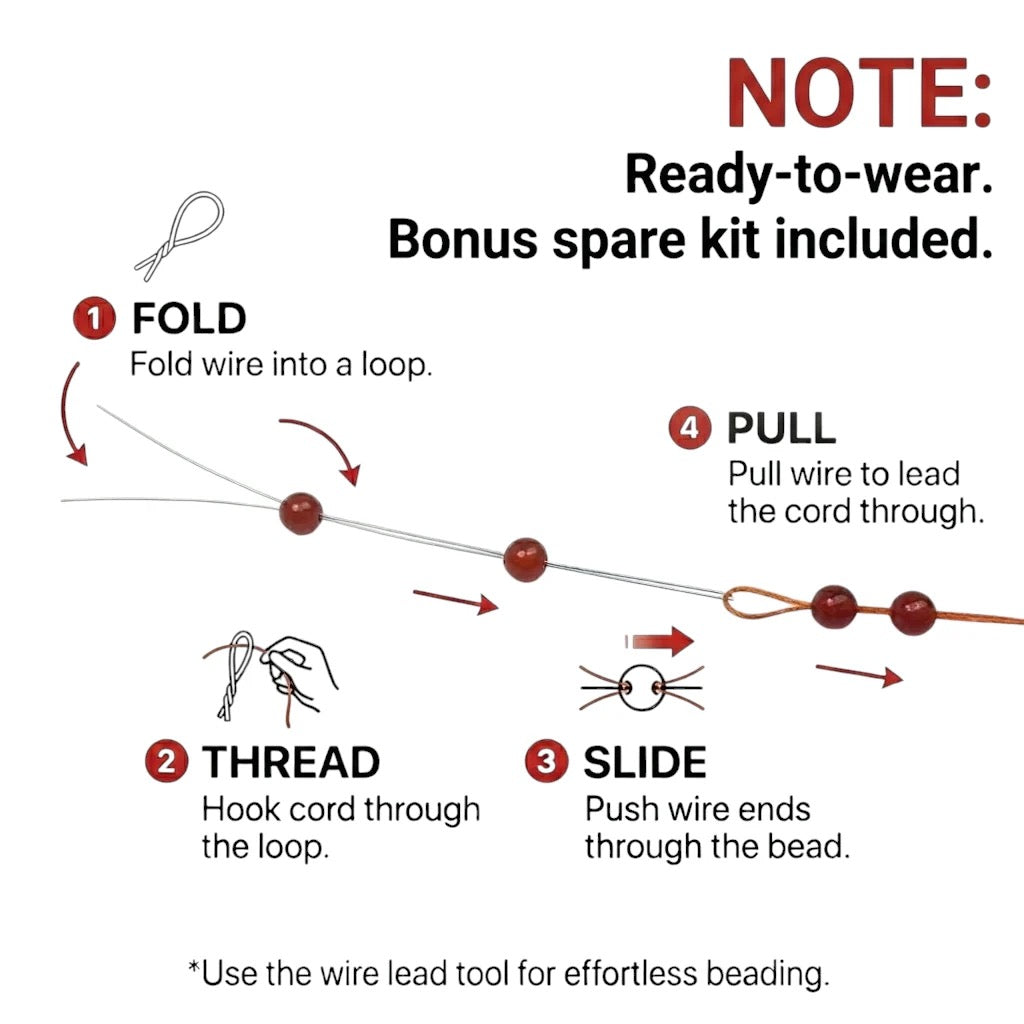
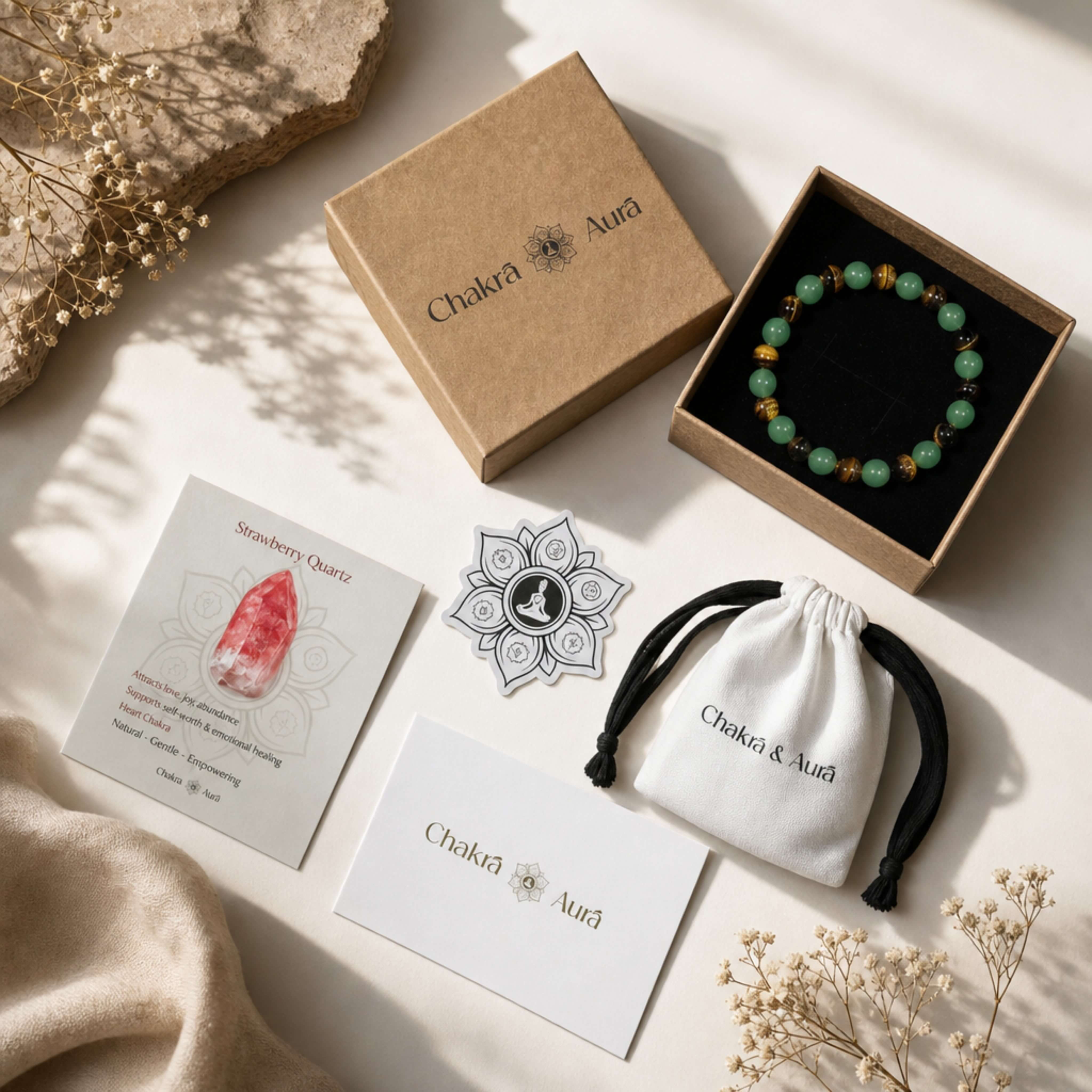
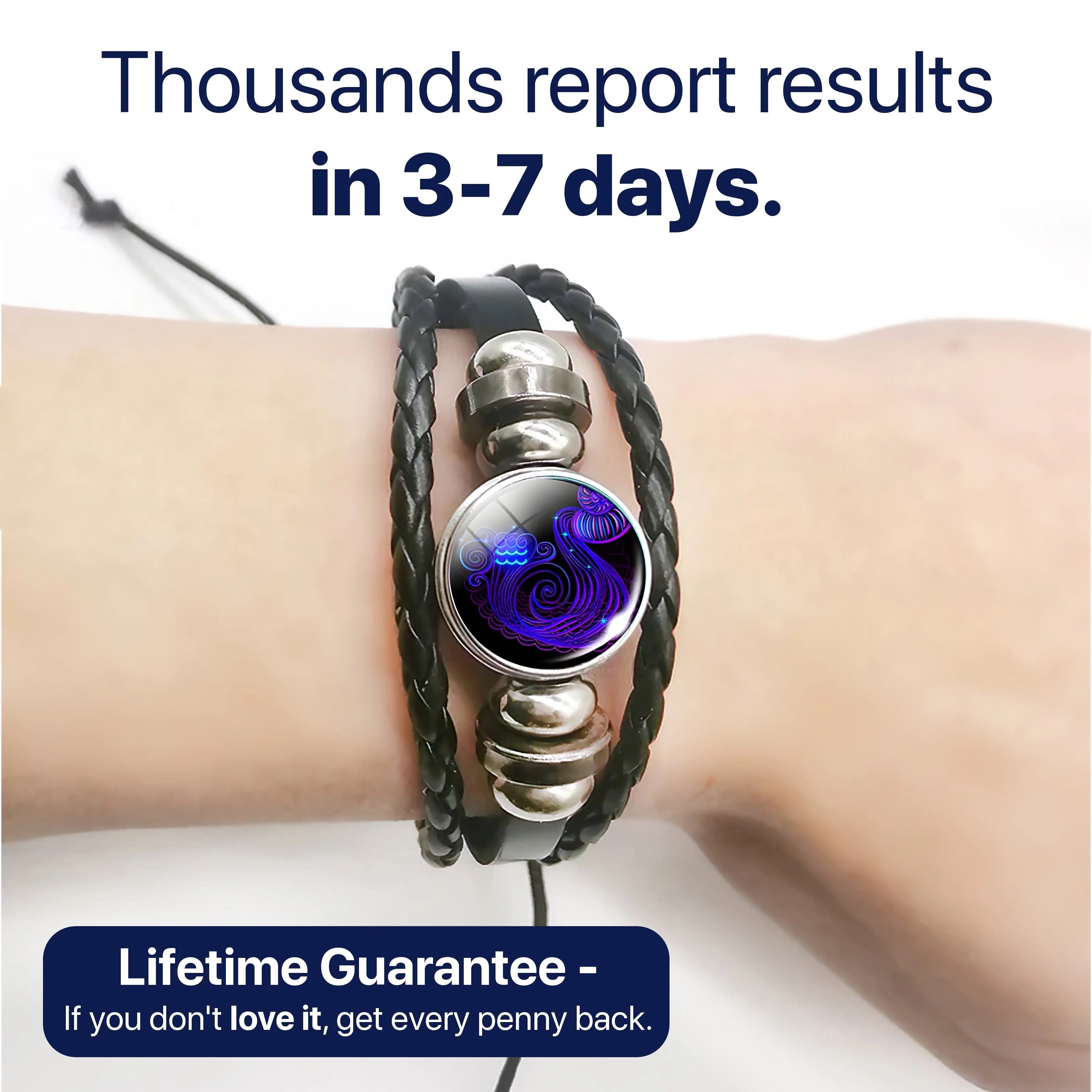
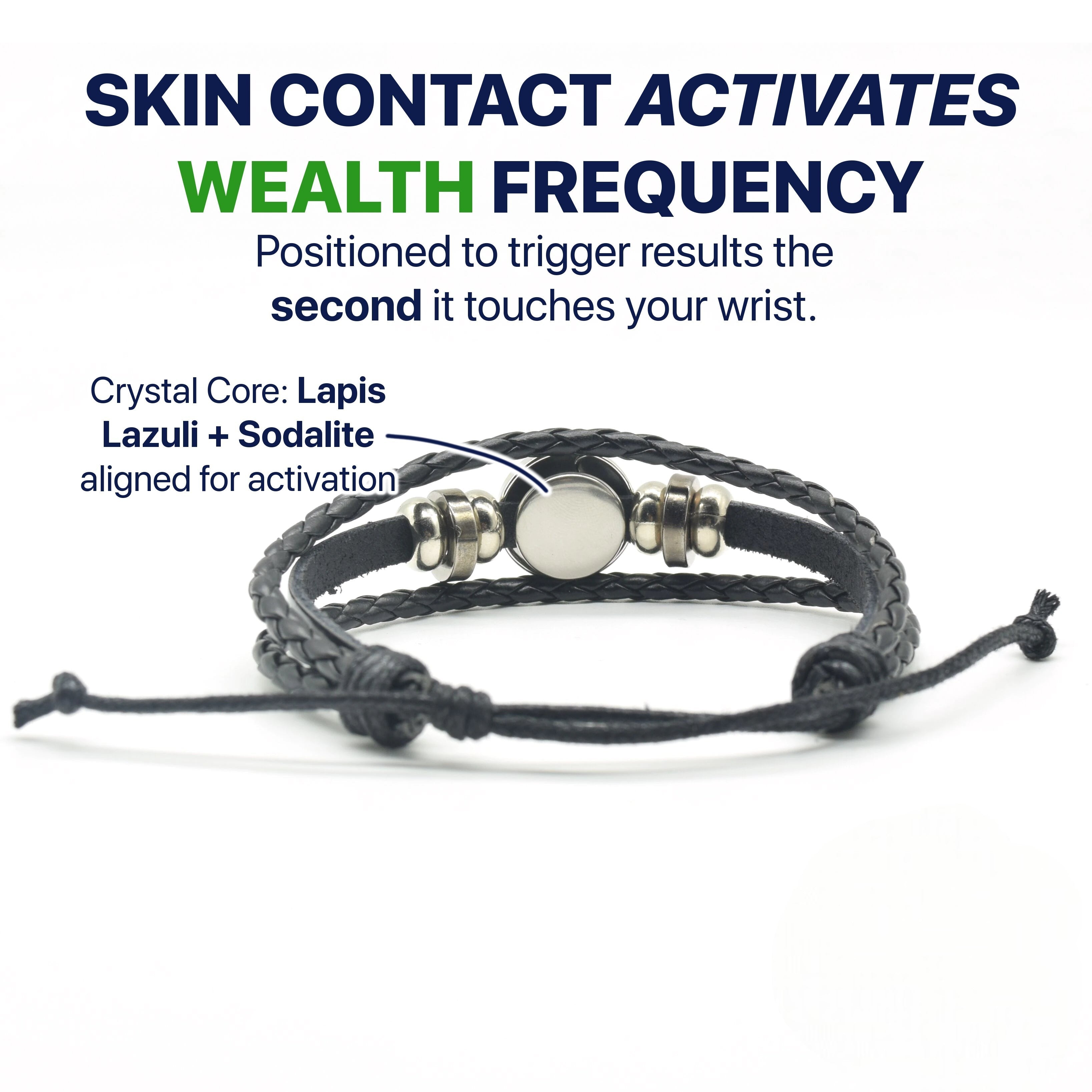

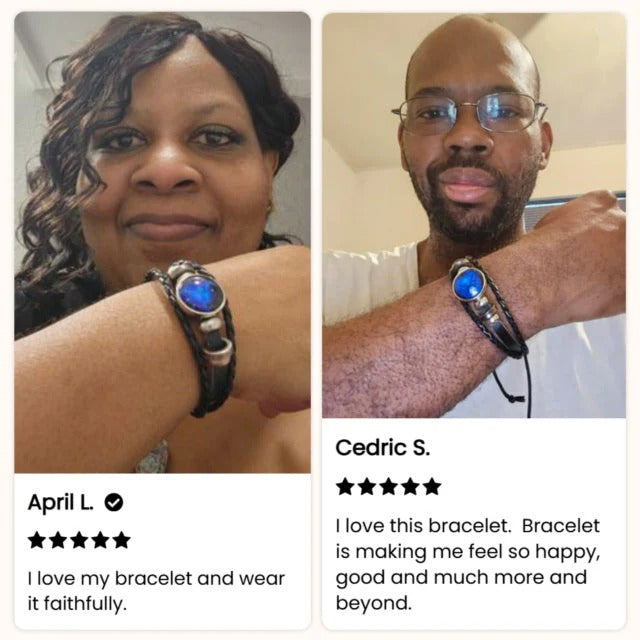

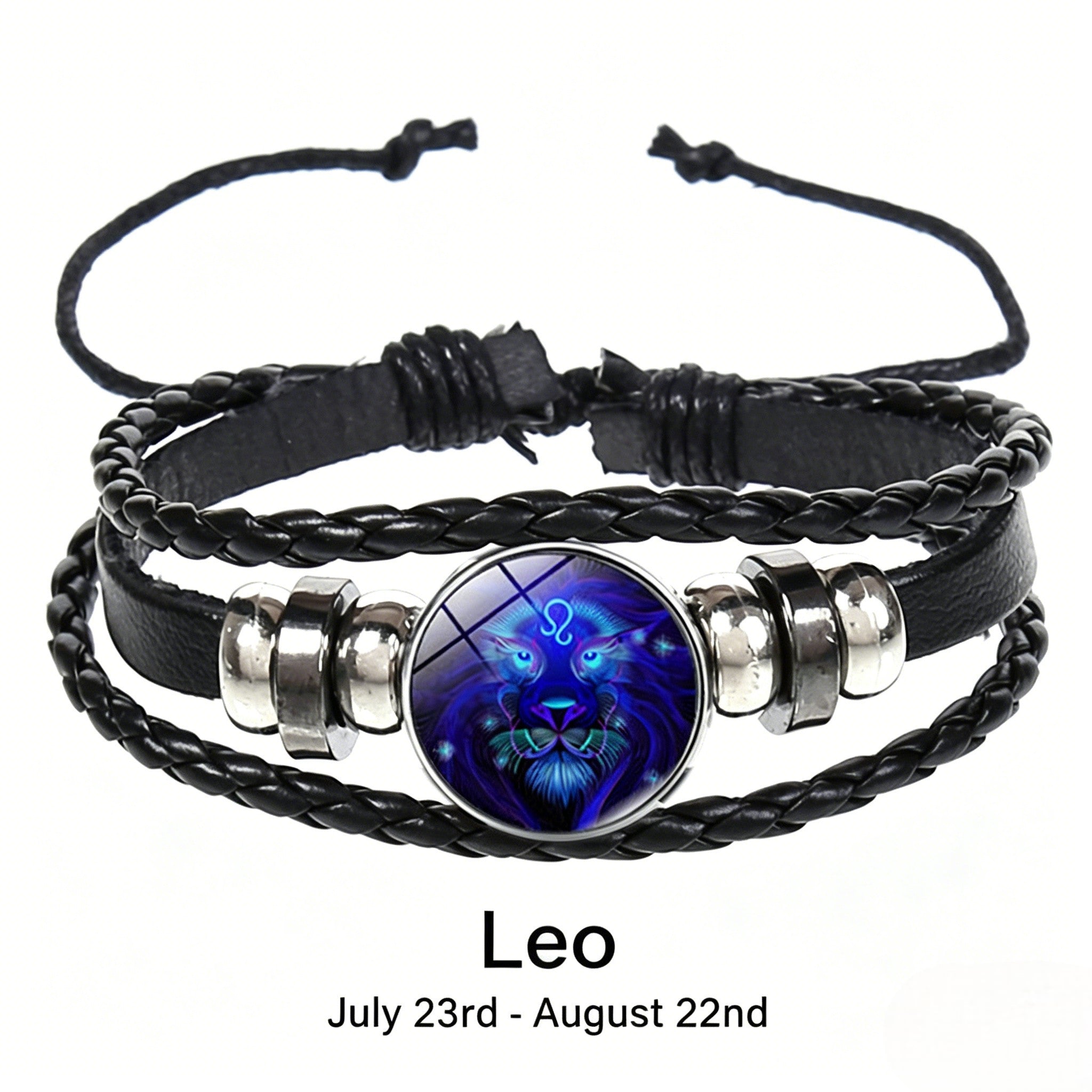
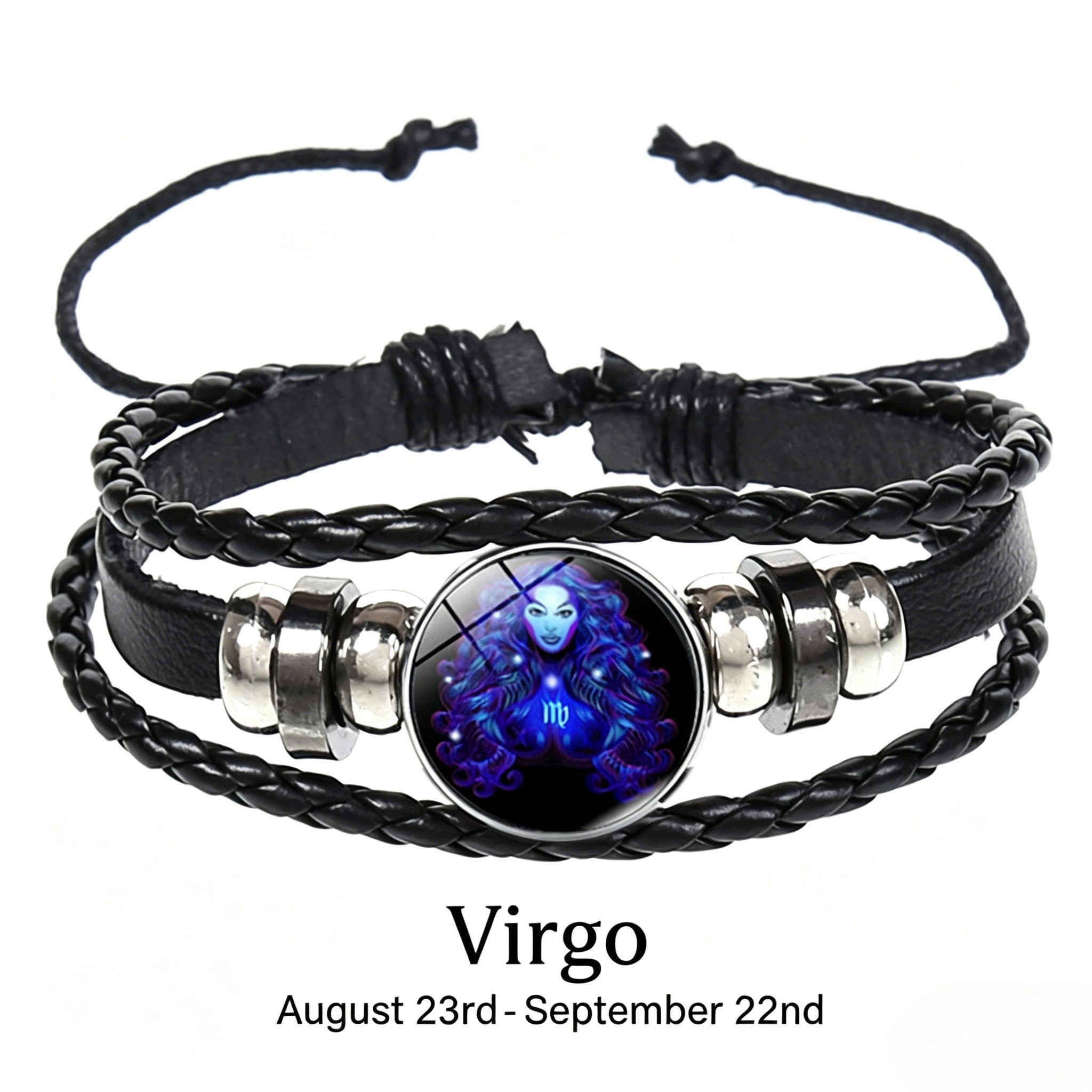
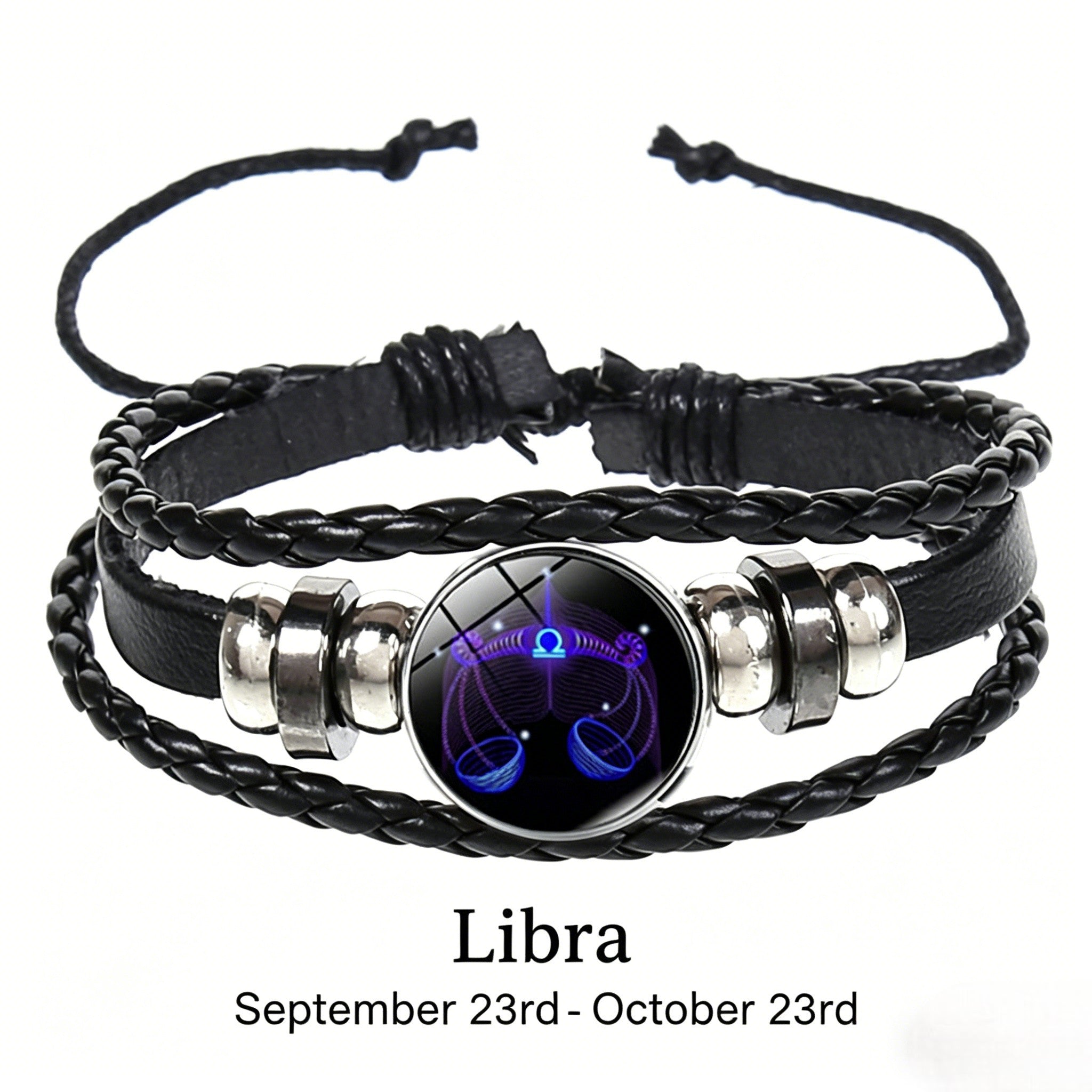
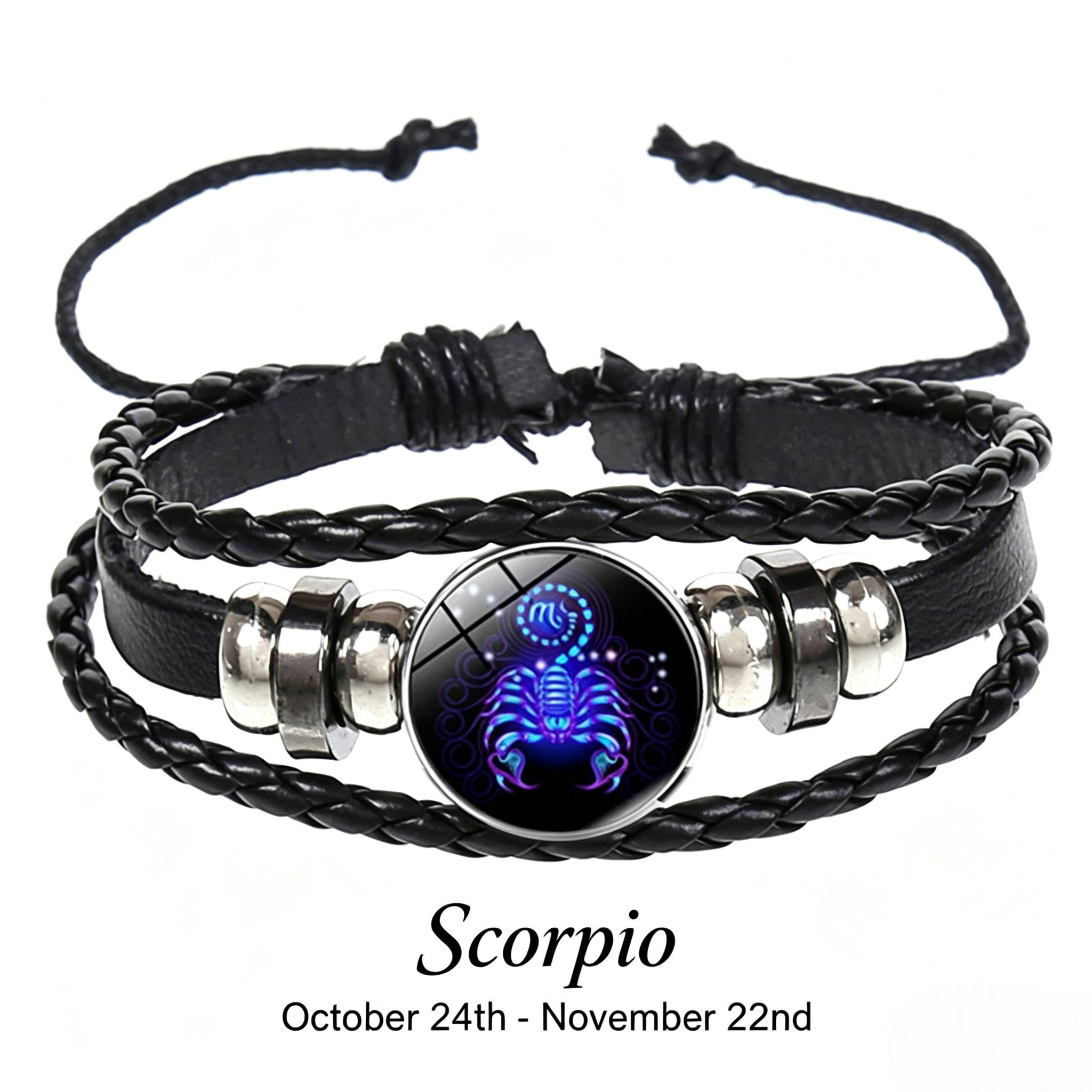
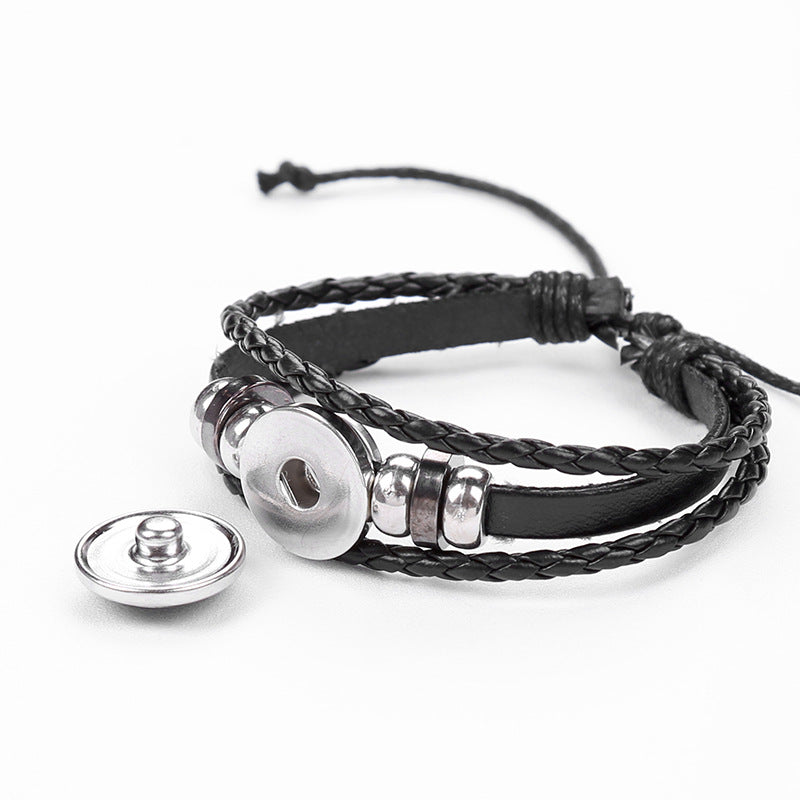
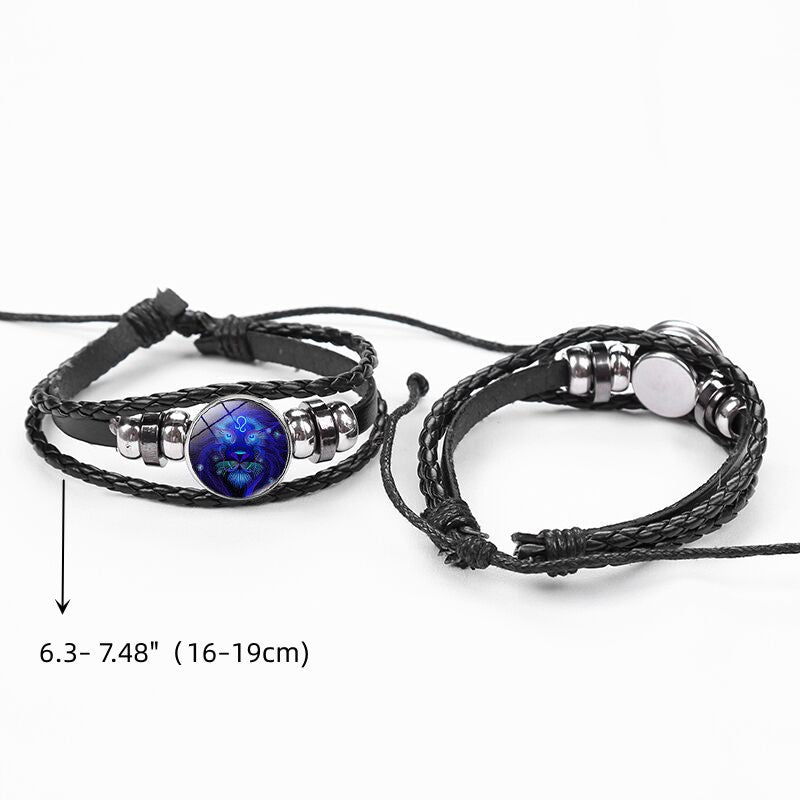


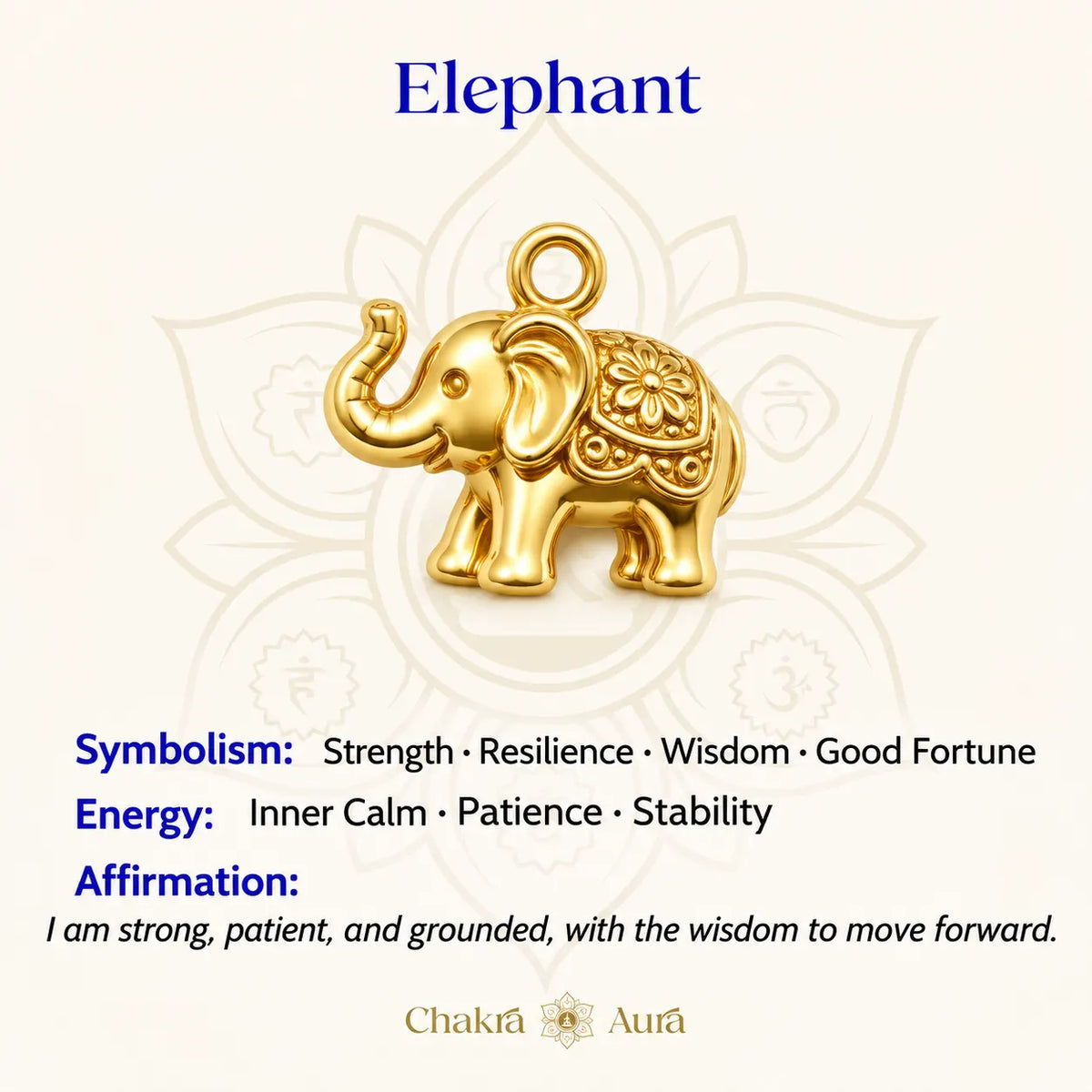
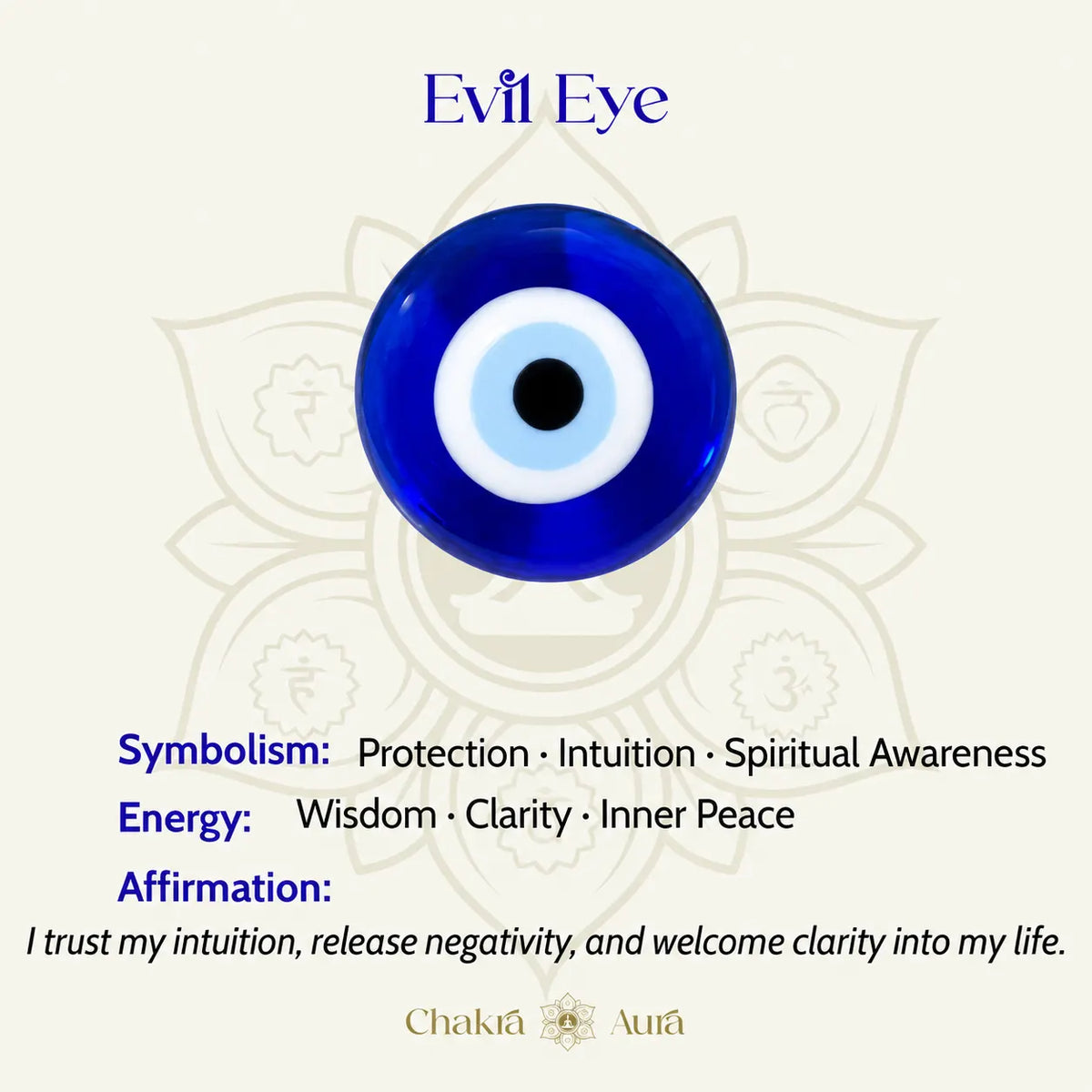


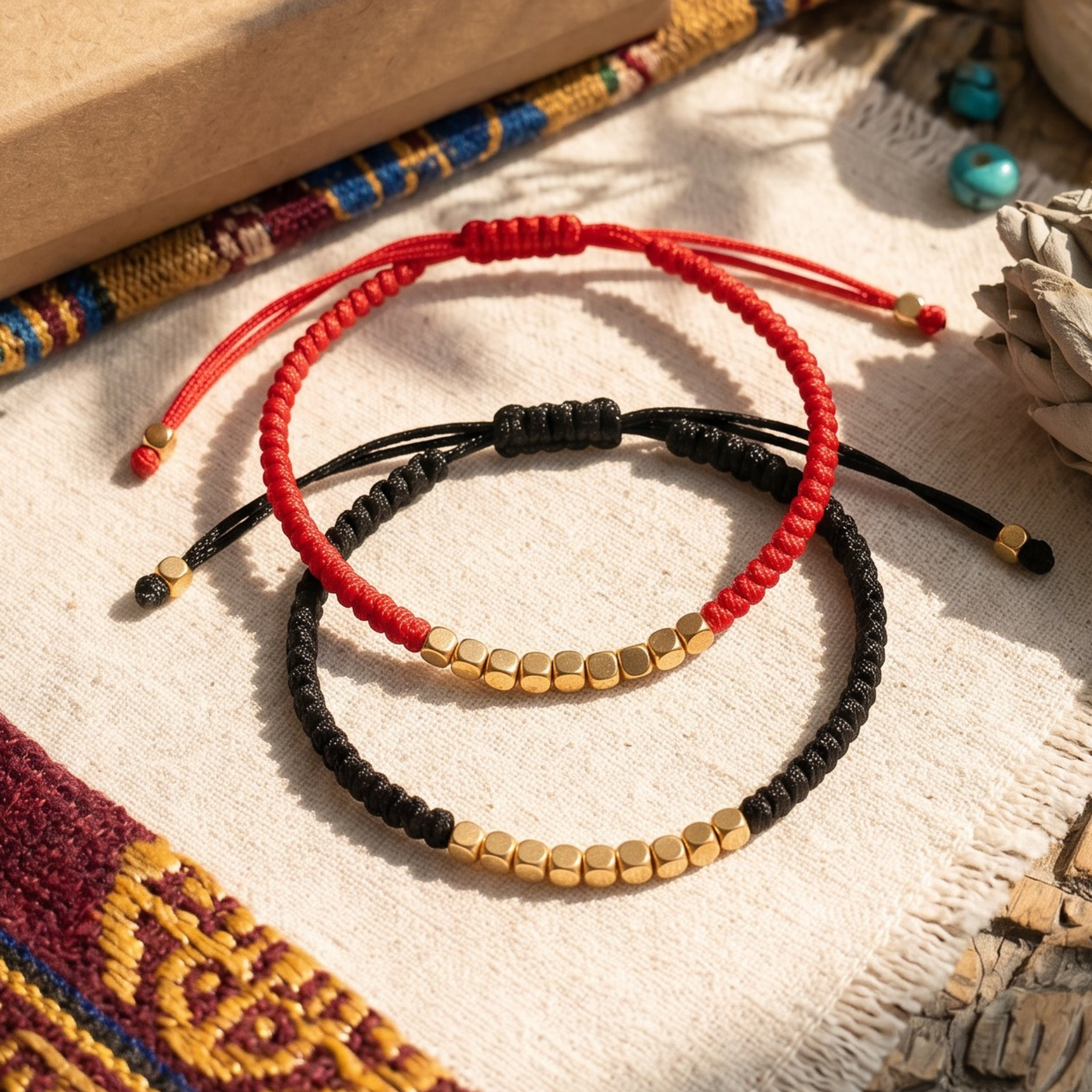
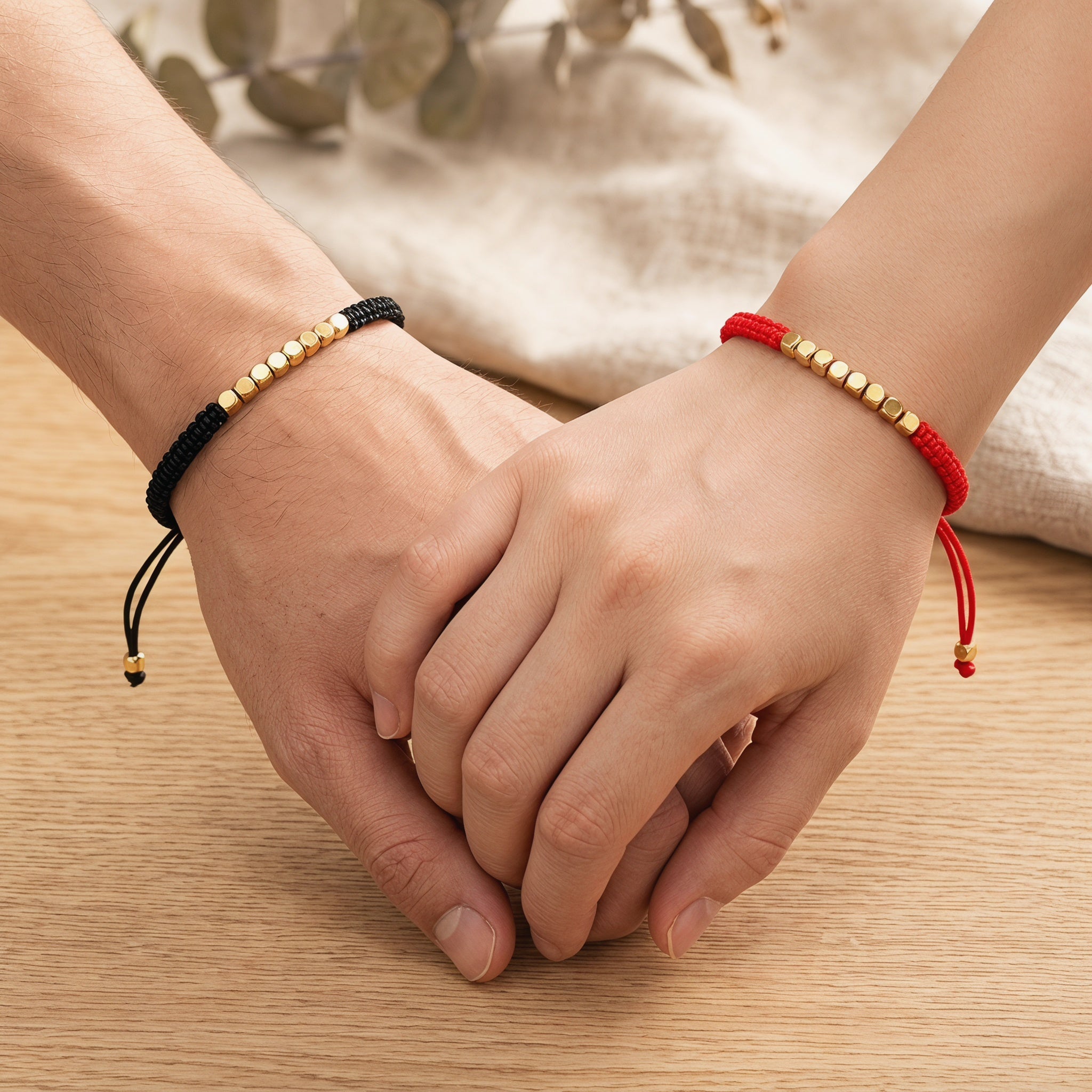

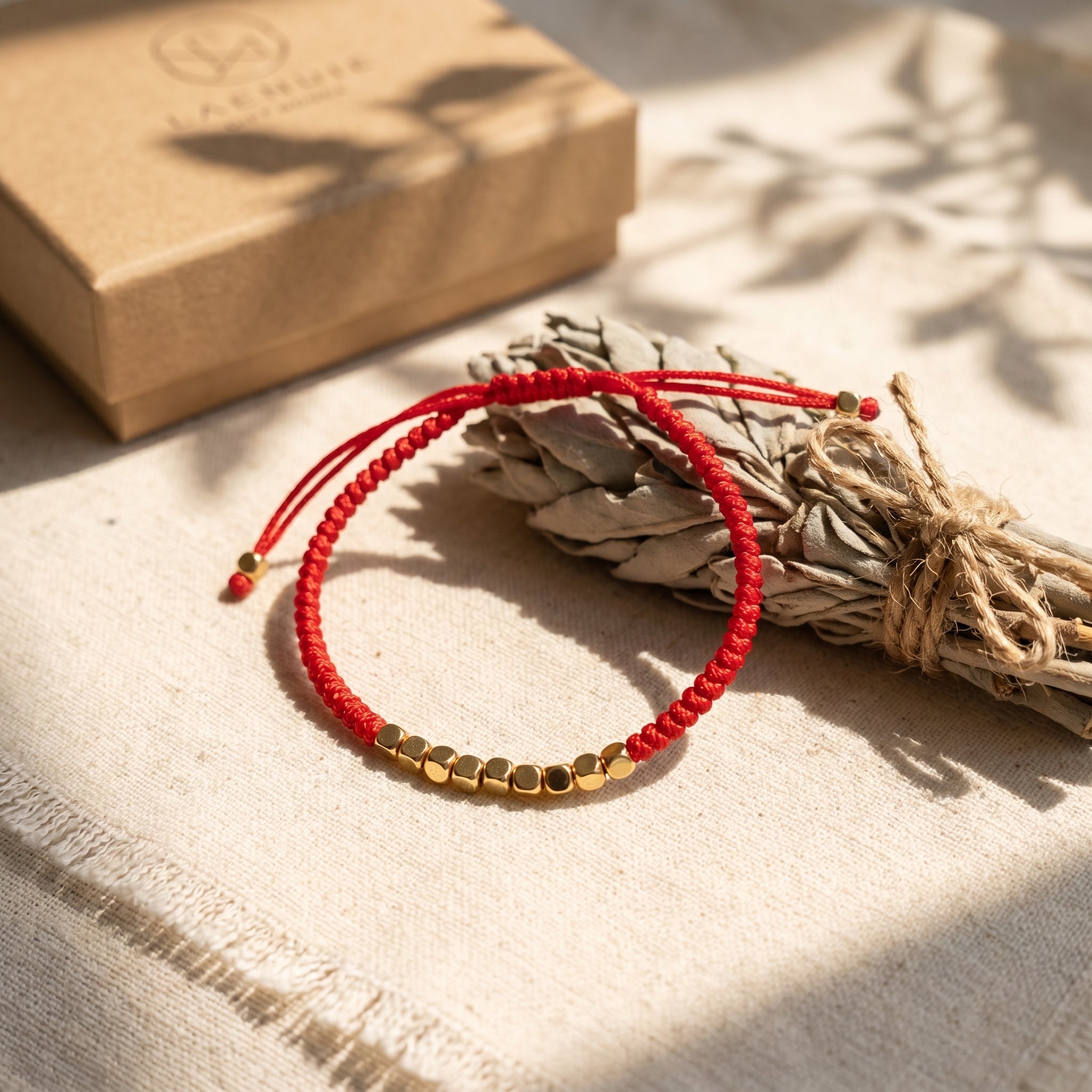
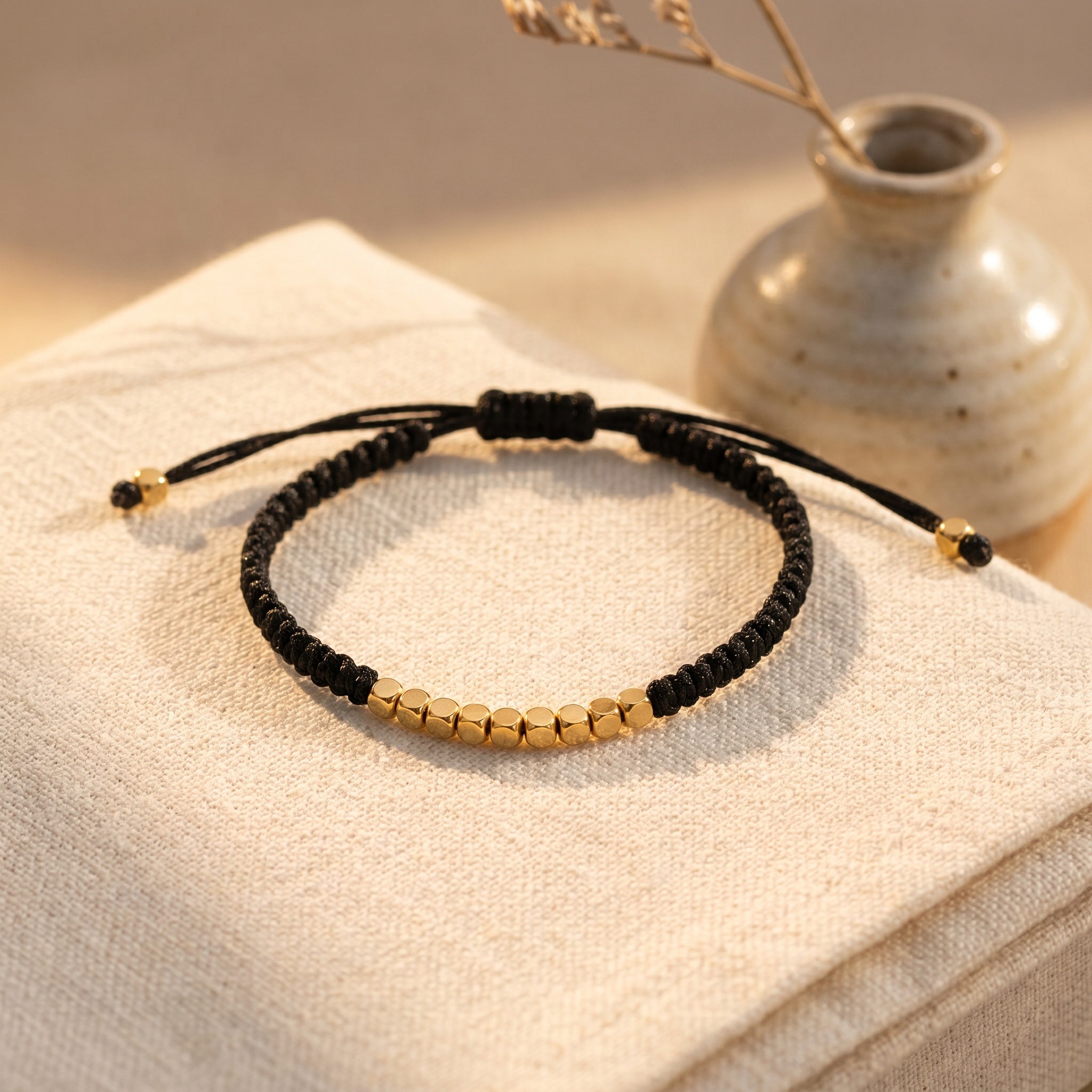
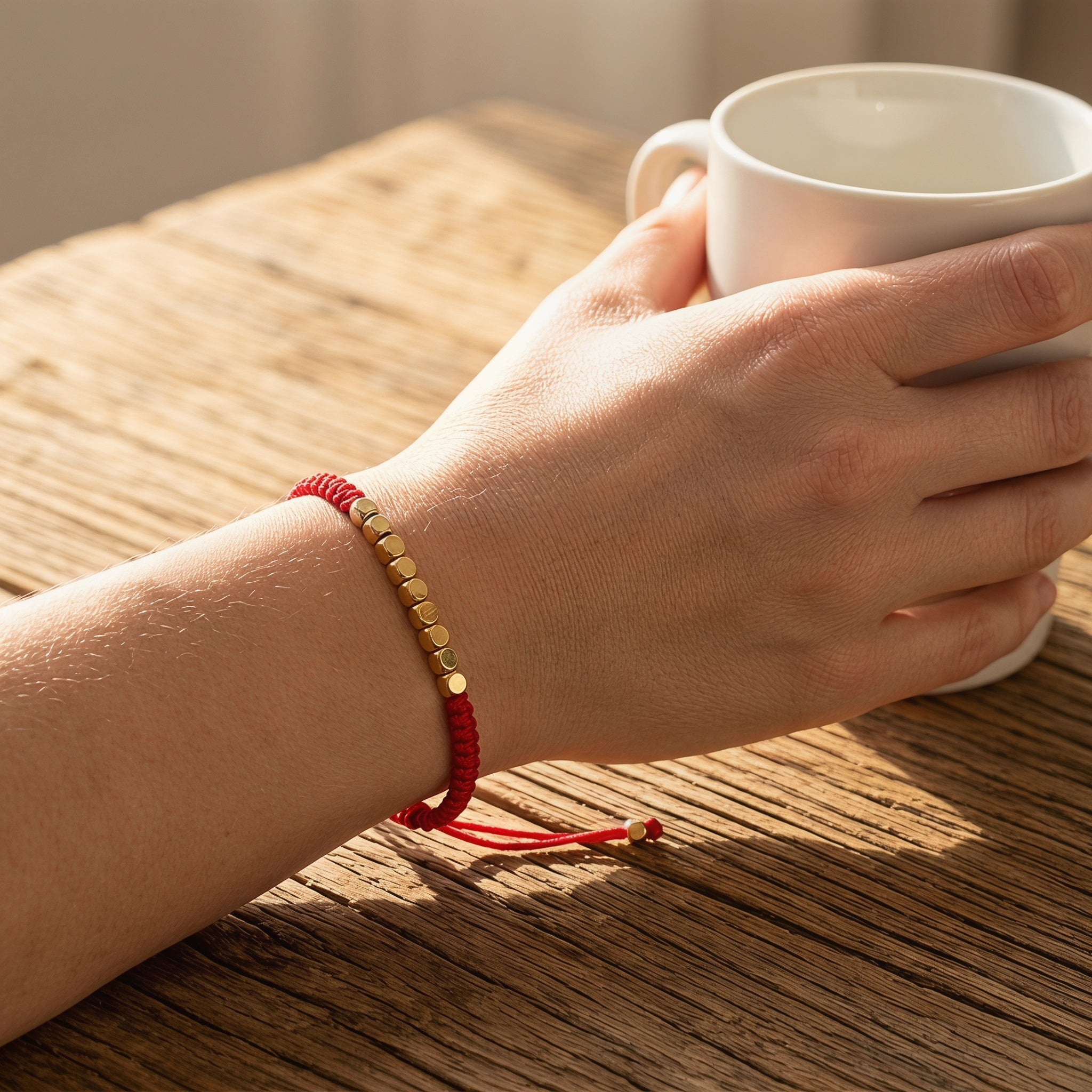
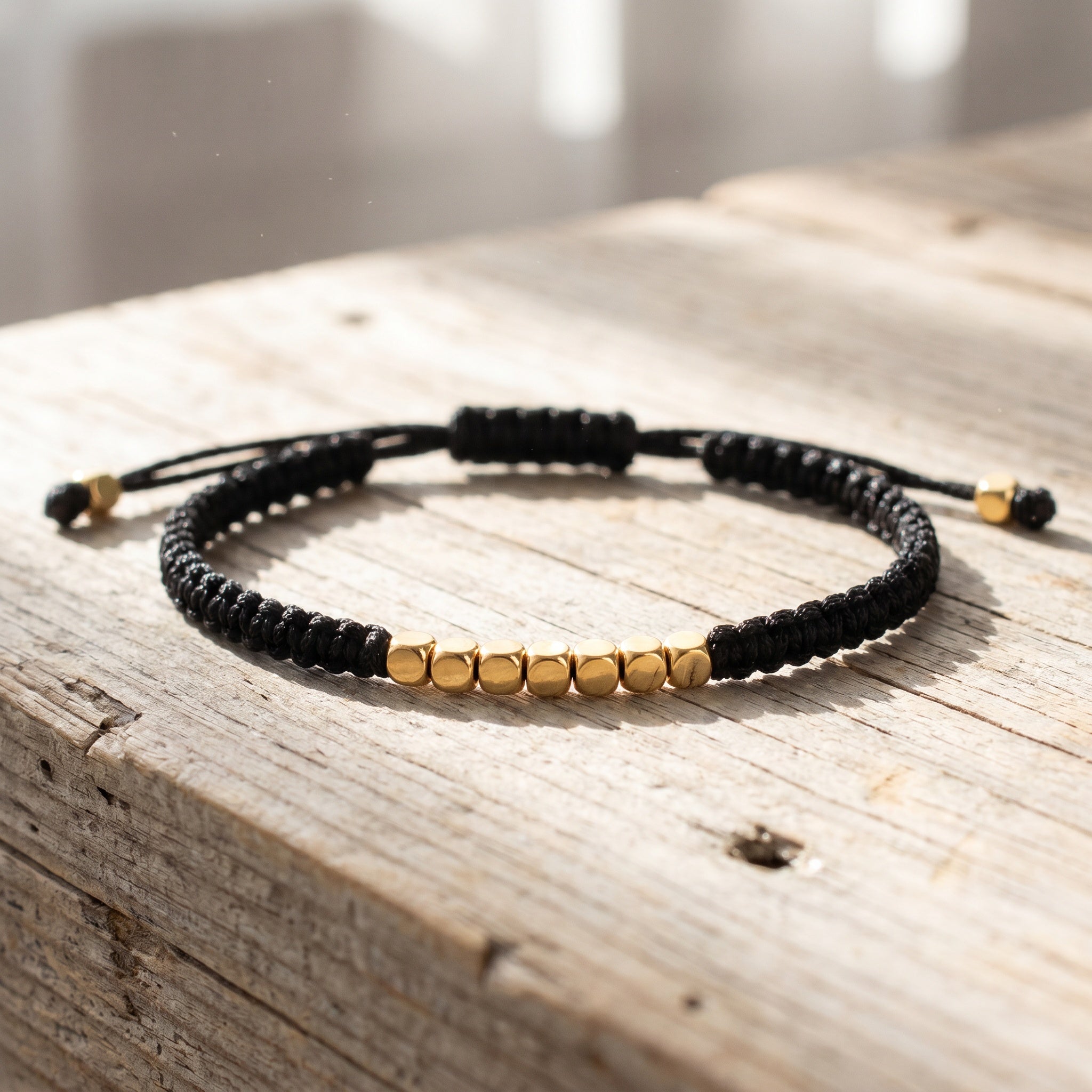
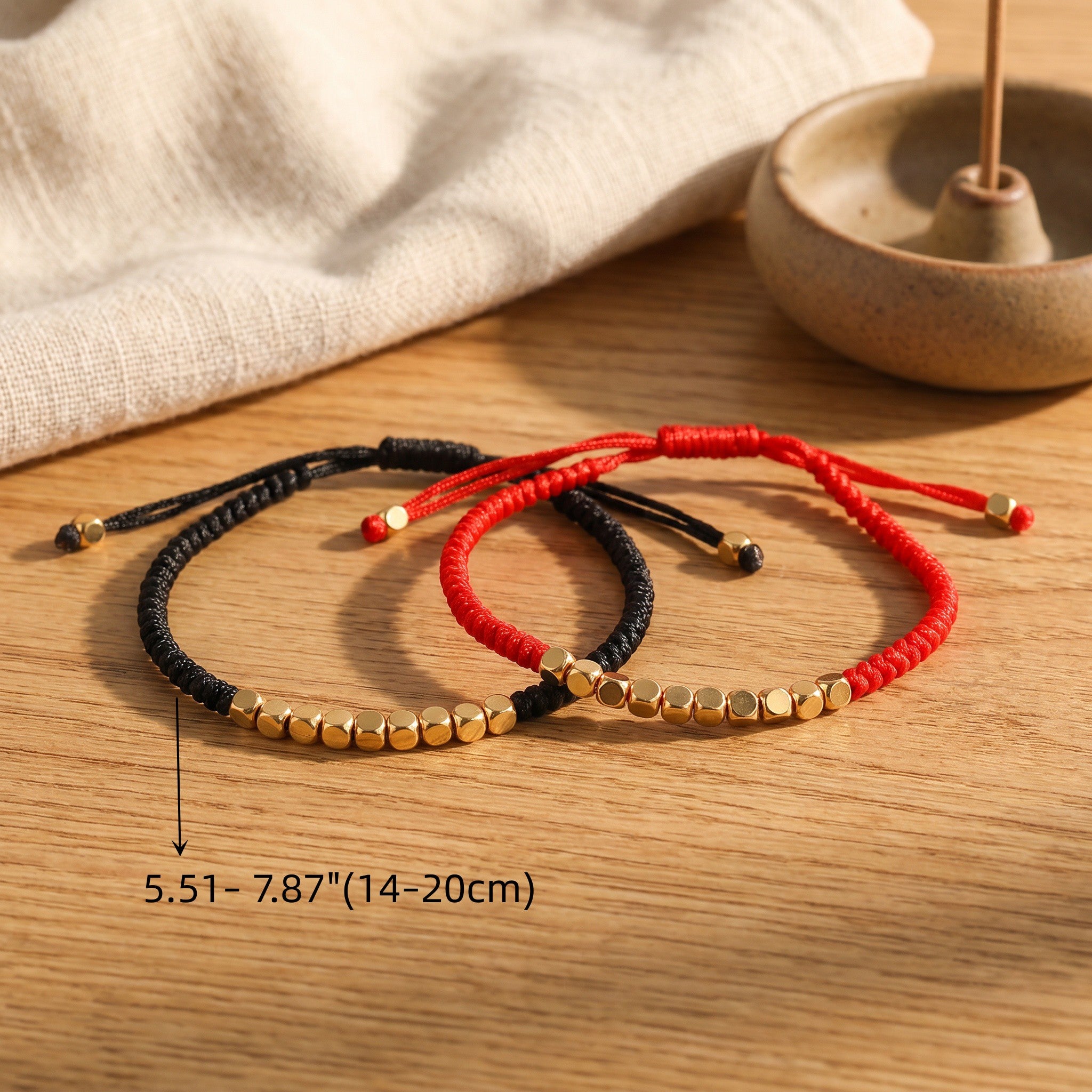

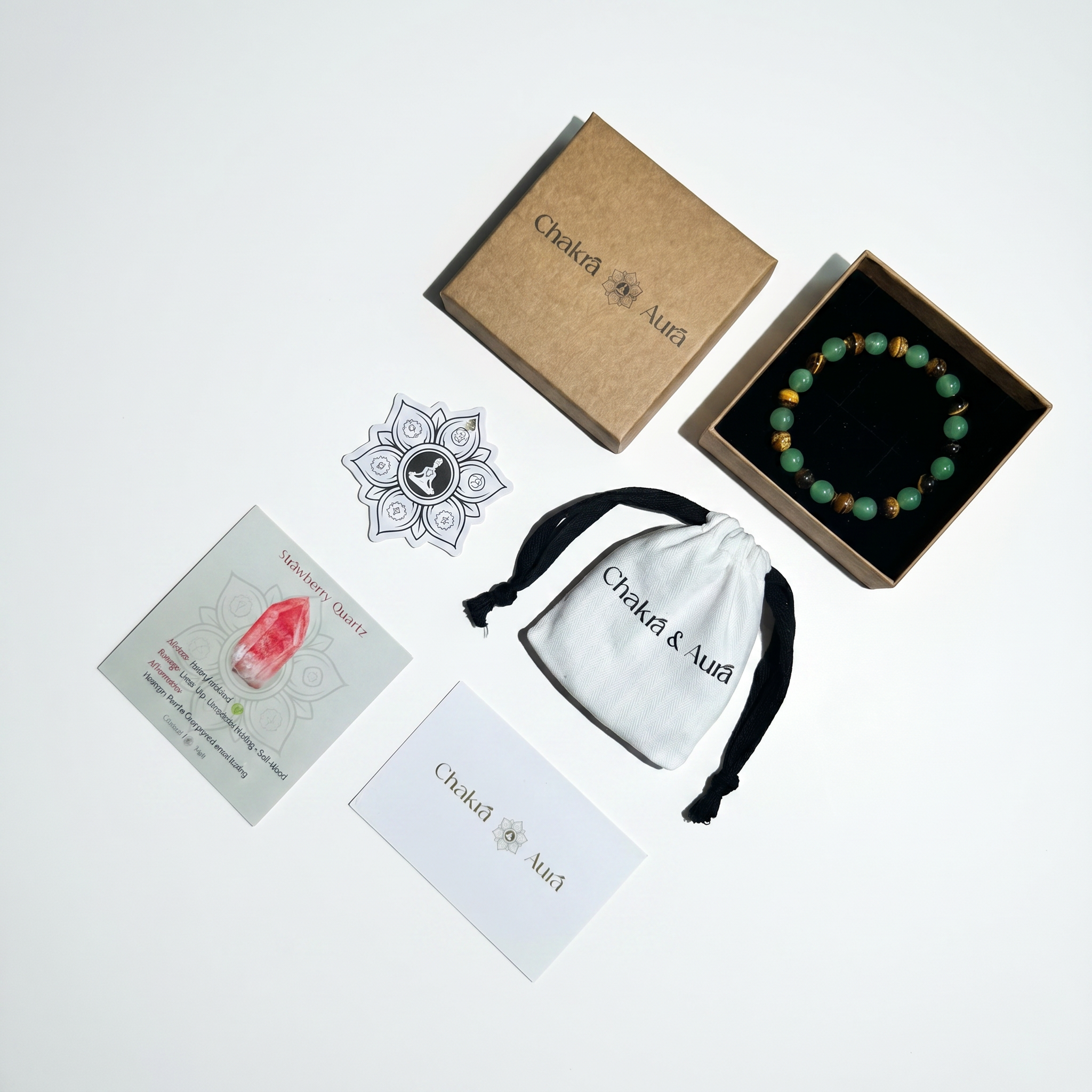

 — combines amethyst with a Pixiu charm often used in prosperity symbolism, making it a wearable reminder to stay focused on financial intentions.
 — a handheld format that can work well for quiet reflection and intention-setting during weekly planning.
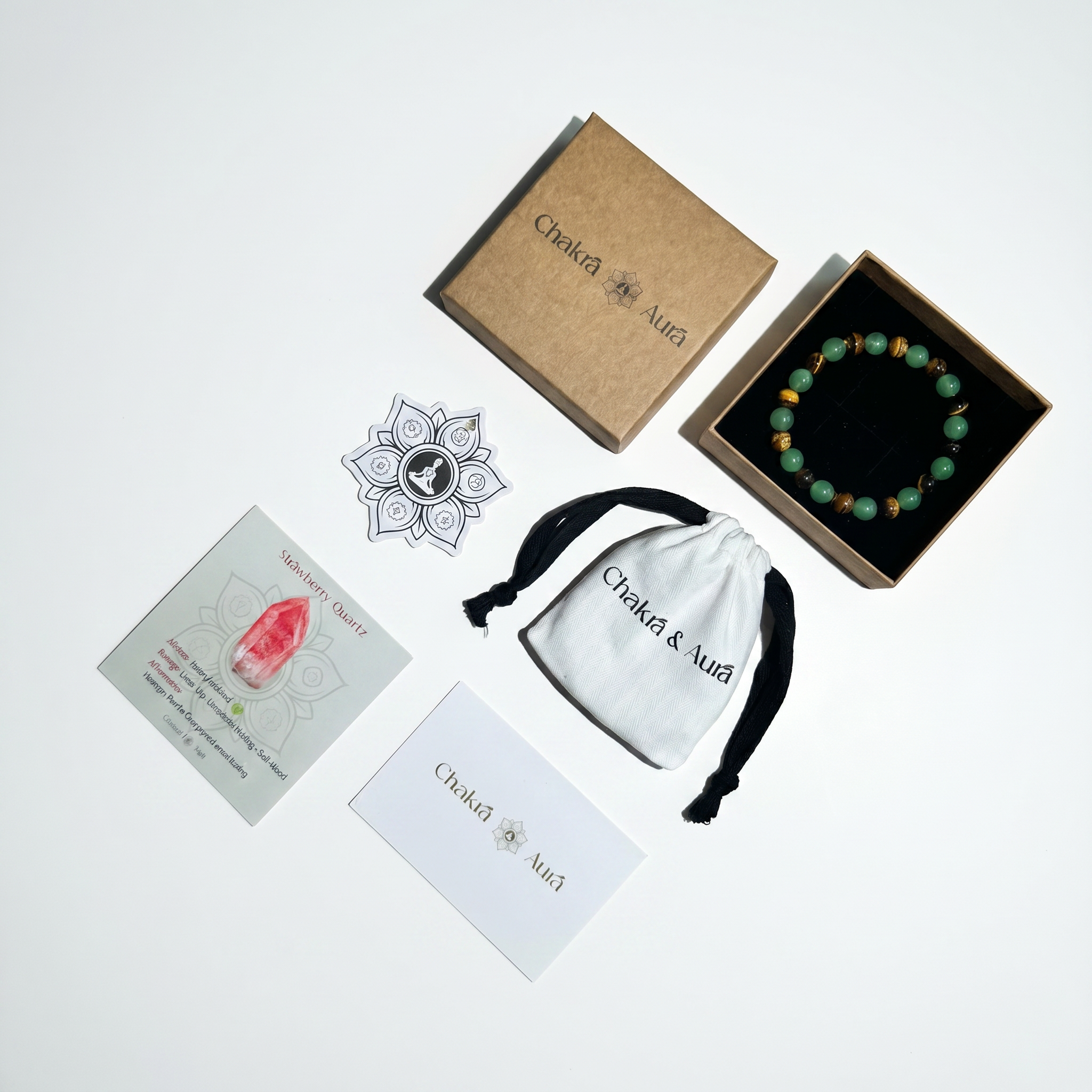
 — includes Tiger’s Eye among its seven stones, which some wear as a day-to-day anchor for balance and steady motivation.
 — pairs obsidian with a Pixiu motif; for those drawn to traditional symbolism, it can serve as a daily reminder of protection and deliberate choices.
 — features a Pixiu charm and mantra-style beads; useful as a tactile cue to stay steady with your financial goals and routines.


