Which Hand to Wear a Citrine Bracelet: A Practical, Grounded Guide
If you’re deciding which hand to wear citrine bracelet, the most practical answer is: wear it on the hand that matches your intention and your daily comfort. Many people use a simple framework—left hand for receiving and right hand for expressing or taking action. There’s no universal rule, but choosing a “default” hand can help you wear it consistently and treat it as a steady reminder of your goals.
Quick answer: left vs. right hand
Wear citrine on the left wrist if you want a reminder to receive—support, opportunities, confidence, or a more optimistic mindset.
Wear citrine on the right wrist if you want a reminder to act—make decisions, stay motivated, communicate clearly, and follow through.
This “receiving vs. projecting” idea shows up across modern crystal-wearing traditions and is often paired with the concept that citrine symbolizes positivity, clarity, and abundance. It’s best treated as a personal practice rather than a guarantee.
How to choose the best hand for you (3-step method)
1) Decide what you want the bracelet to represent
Citrine is commonly associated with optimism, motivation, and abundance symbolism. Start by choosing one clear intention you’d like to reinforce:
Receiving intention (left hand): “I’m open to new opportunities,” “I’m ready to accept support,” or “I allow good things in.”
Action intention (right hand): “I take consistent steps,” “I speak up,” or “I follow through on my plans.”
If you’re wearing citrine as a daily cue for goal-setting, the “action” framing can feel especially natural. If you’re wearing it to soften self-doubt and stay open-minded, the “receiving” framing may fit better.
2) Check your dominant hand and daily routine
Comfort matters. If you type, write, lift, or work with your hands all day, the bracelet may knock against surfaces or feel distracting on your dominant hand.
If you’re right-handed, wearing it on the left often reduces wear-and-tear and keeps it from getting in the way.
If you’re left-handed, wearing it on the right may be more comfortable.
There’s no downside to choosing the “practical” wrist first and letting the meaning follow—consistency is usually more valuable than perfection.
3) Commit for a week, then reassess
Try one wrist for 7 days. If it snags on clothing, feels too tight during work, or you keep taking it off, switch wrists. The best hand is the one you’ll actually wear.
Common traditions you may hear (and how to use them responsibly)
You’ll find different explanations online—some based on energy practices, some on cultural symbolism. A grounded approach is to treat these as meaning-making tools rather than hard rules.
Left = receiving: Often described as the “inward” or receptive side.
Right = giving/doing: Often described as the “outward” or active side.
Feng Shui-inspired wear: Some people pair citrine with wealth symbolism and wear it on the side that feels aligned with their money habits (saving/receiving vs. earning/acting).
If a tradition resonates, use it as a personal ritual. If it doesn’t, it’s completely fine to choose based on comfort and style.
Choosing a citrine bracelet style that matches your intention
Different designs can support different “use cases”—not by changing outcomes, but by changing how often you notice and engage with the bracelet.
For a clear, everyday citrine look
The Natural Citrine Bead Bracelet is a straightforward option if you want citrine beads as the main focus. It’s easy to pair with daily outfits and can work well as a consistent reminder for optimism and goal-setting.
For symbolism tied to prosperity and protection themes
The Citrine Pixiu Protection Bracelet combines citrine with a Pixiu charm, a figure that is popularly used in Feng Shui tradition as a symbol associated with wealth-attraction and protection. If you like culturally rooted symbolism, this style may feel more intentional—especially if you’re choosing a wrist based on “receiving” vs. “acting.”
For a tactile, mindfulness-friendly bracelet
The Citrine Spinning Wheel Bracelet includes a rotating prayer wheel-style charm. If you want your bracelet to prompt mindful pauses (for example, before spending, before a meeting, or when you feel scattered), a movable element can make the bracelet more interactive and noticeable throughout the day.
For a mixed-stone, minimalist geometric style
If you prefer a design-forward piece, the White Chalcedony Garnet Geometric Citrine Bracelet blends citrine with other stones in a clean, modern pattern. This can be a good fit if you want citrine’s bright look while keeping your jewelry style more structured and understated.
When to switch hands (and why it’s okay)
Switch to the non-dominant hand if the bracelet gets in the way of work, workouts, or chores.
Switch based on intention if your focus changes—e.g., left wrist during reflection/planning, right wrist during execution.
Switch for stacking if you wear a watch or other bracelets and want balance.
Changing wrists doesn’t “break” anything. It simply changes the cue you’re giving yourself.
FAQ
Which hand to wear citrine bracelet for money?
Many people choose the left wrist to symbolize being open to receiving opportunities and support, and the right wrist to symbolize taking action toward earning and follow-through. Pick the wrist that best matches what you’re working on right now (openness vs. action), and prioritize comfort so you’ll wear it consistently.
Can I wear a citrine bracelet on both hands?
You can, especially if you like symmetry or you stack bracelets. Practically, two bracelets can feel bulky for typing or daily tasks, so many people prefer one wrist for comfort.
Does it matter if I’m left-handed or right-handed?
It can. Wearing a bracelet on your dominant hand may cause more friction and distraction. If you’re unsure, start with the non-dominant wrist and only switch if you want a different symbolic reminder.
Should I sleep or shower with my citrine bracelet on?
That depends on the bracelet’s construction and your comfort. Many people remove bracelets for sleep and showering to reduce snagging and wear. If your bracelet has metal components or moving parts, taking it off during rough use can help keep it in good condition.
Personal meaning works best when it’s simple: choose a wrist, set a clear intention, and let the bracelet be a daily reminder—not a promise.


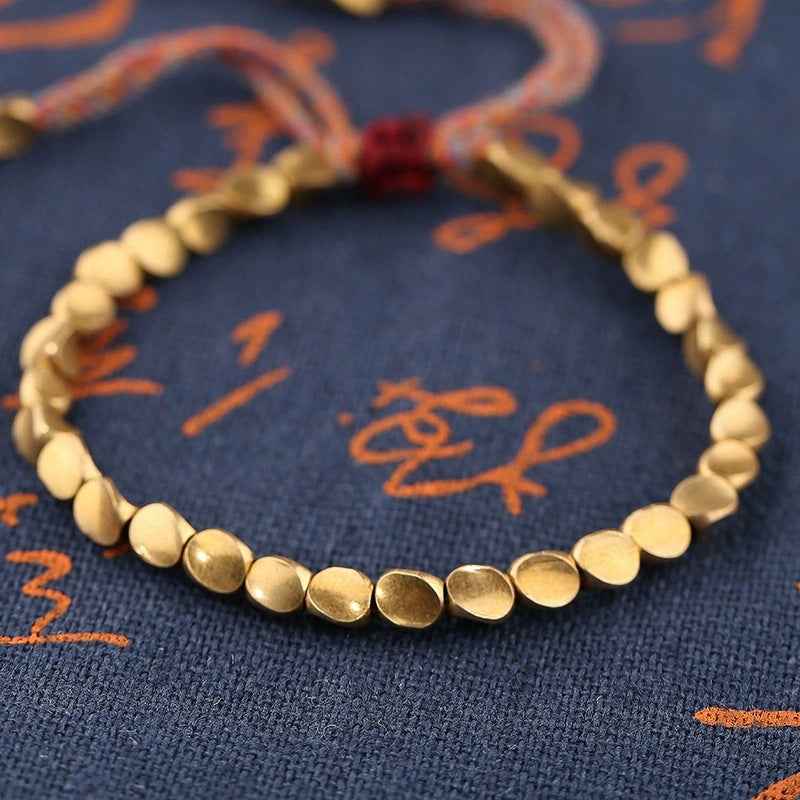
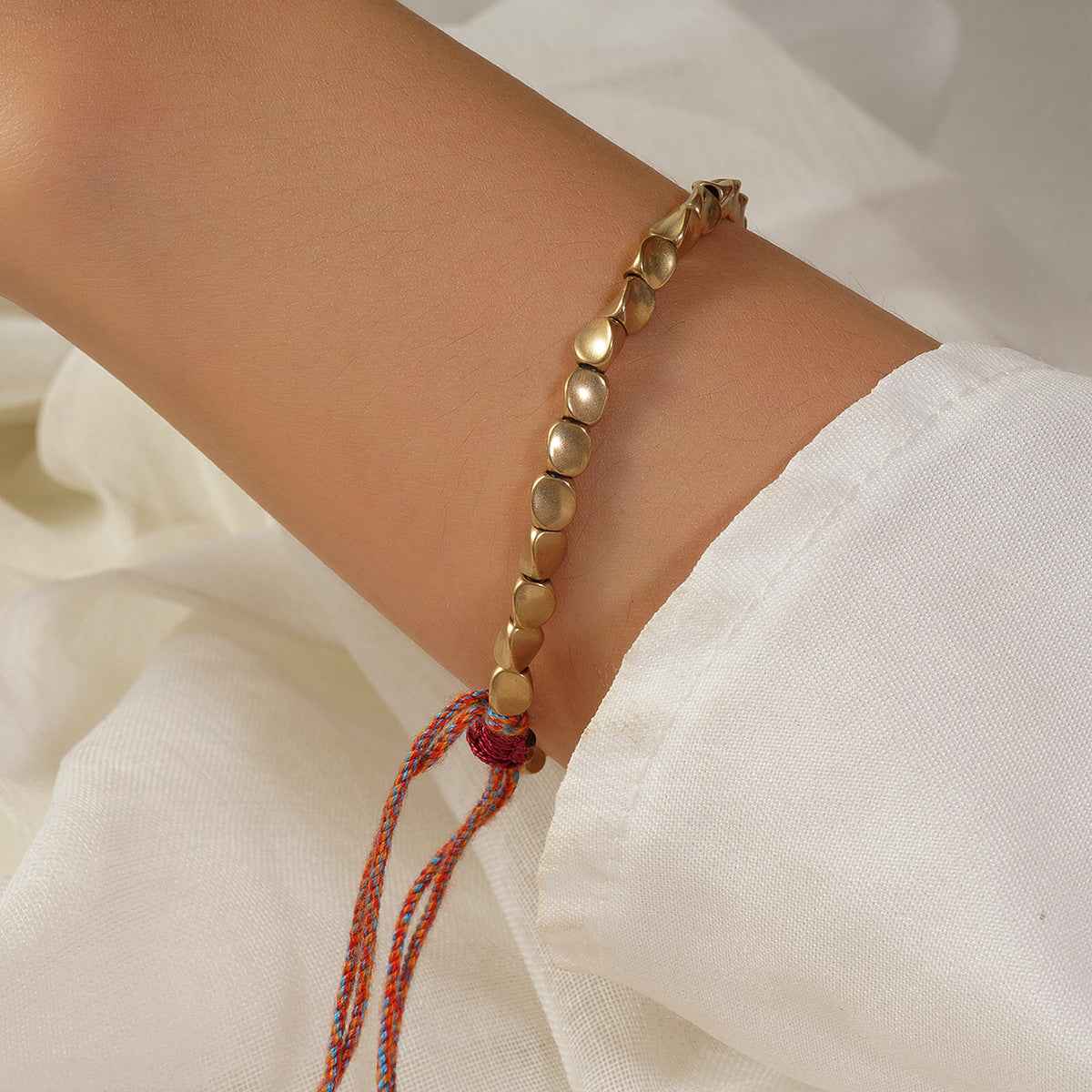
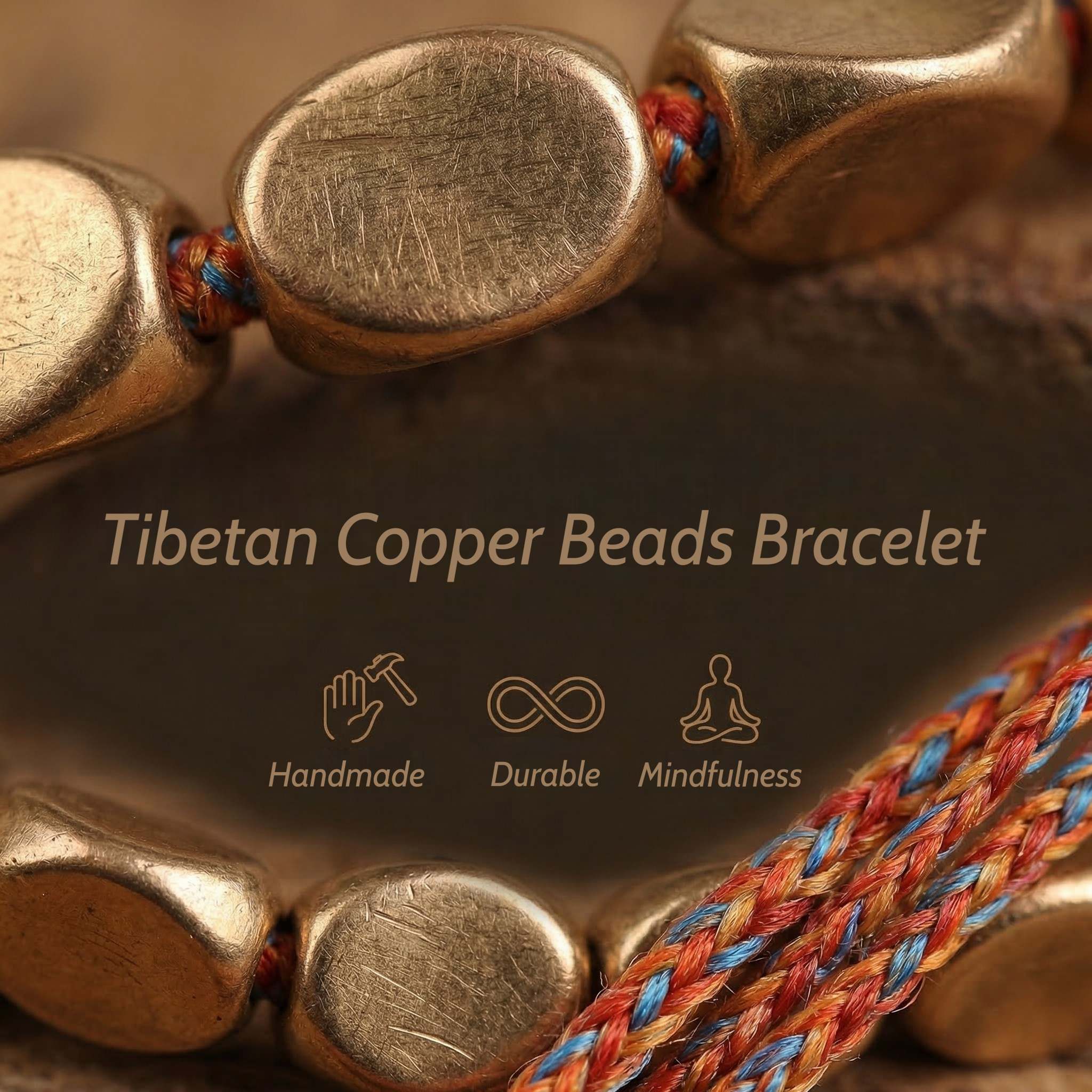
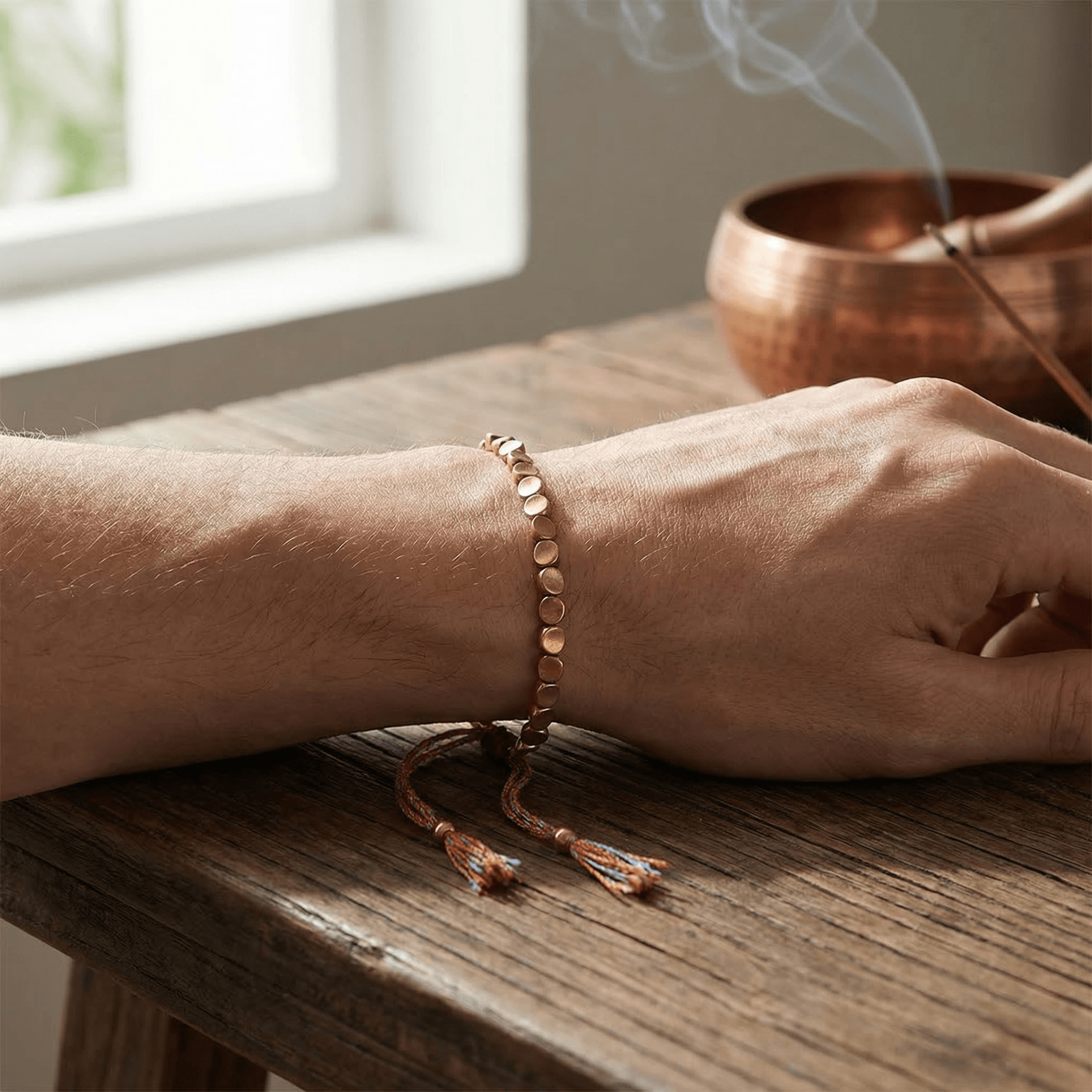
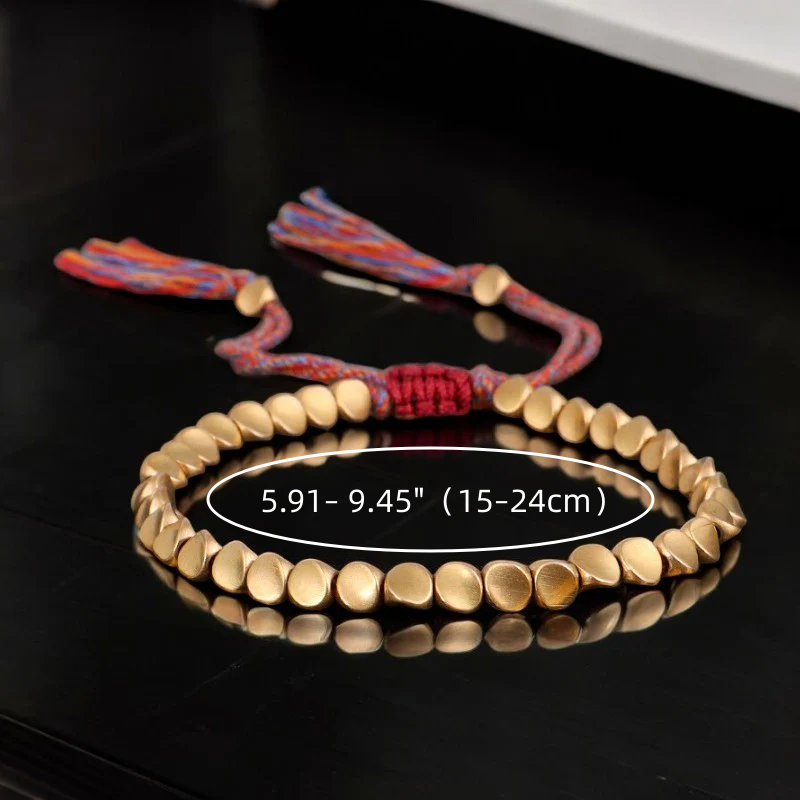

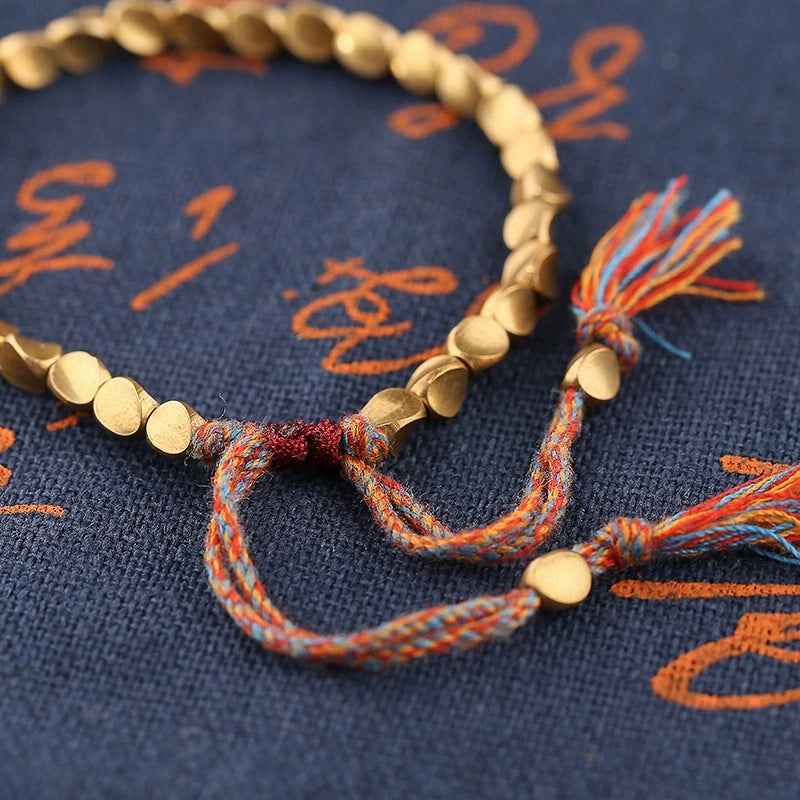
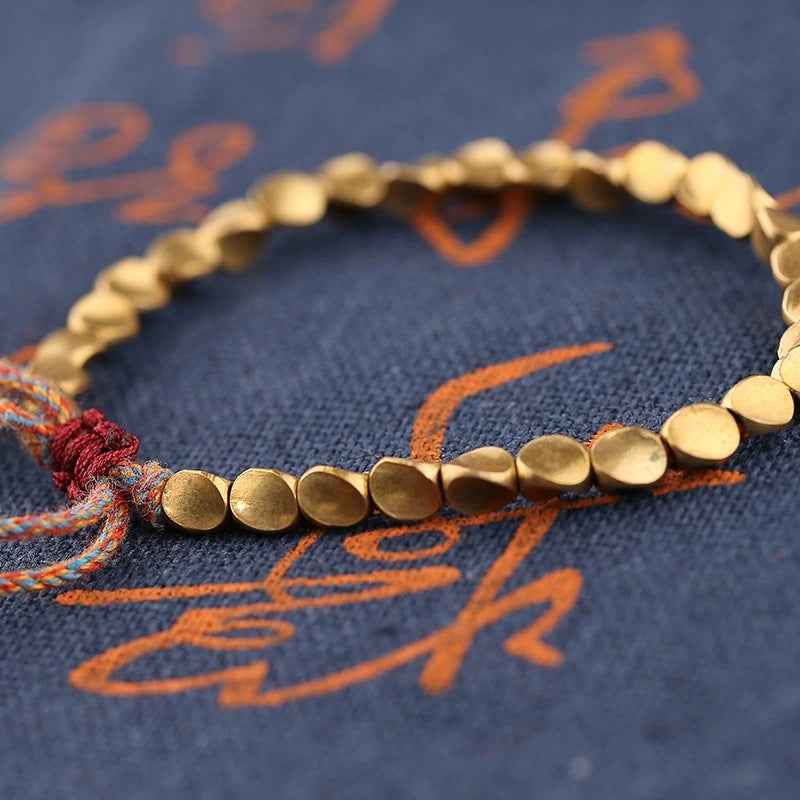

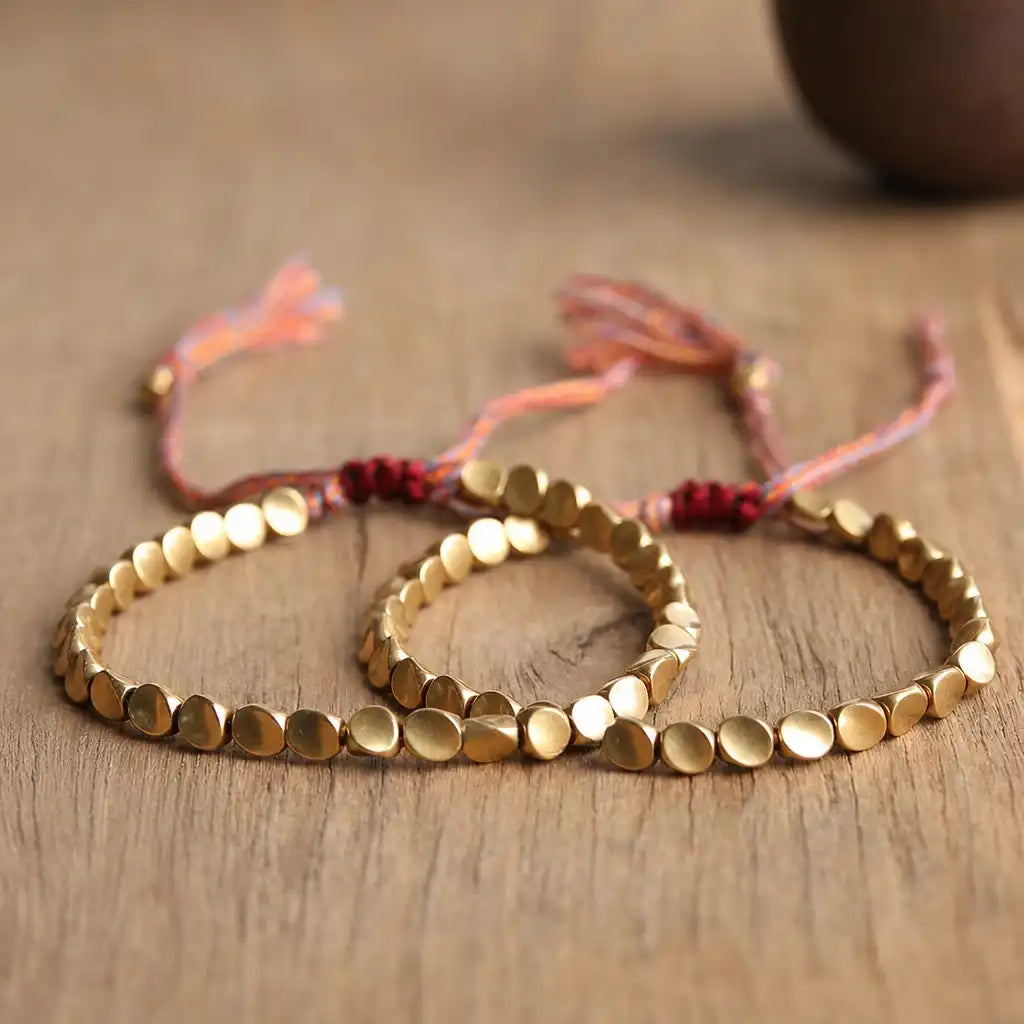
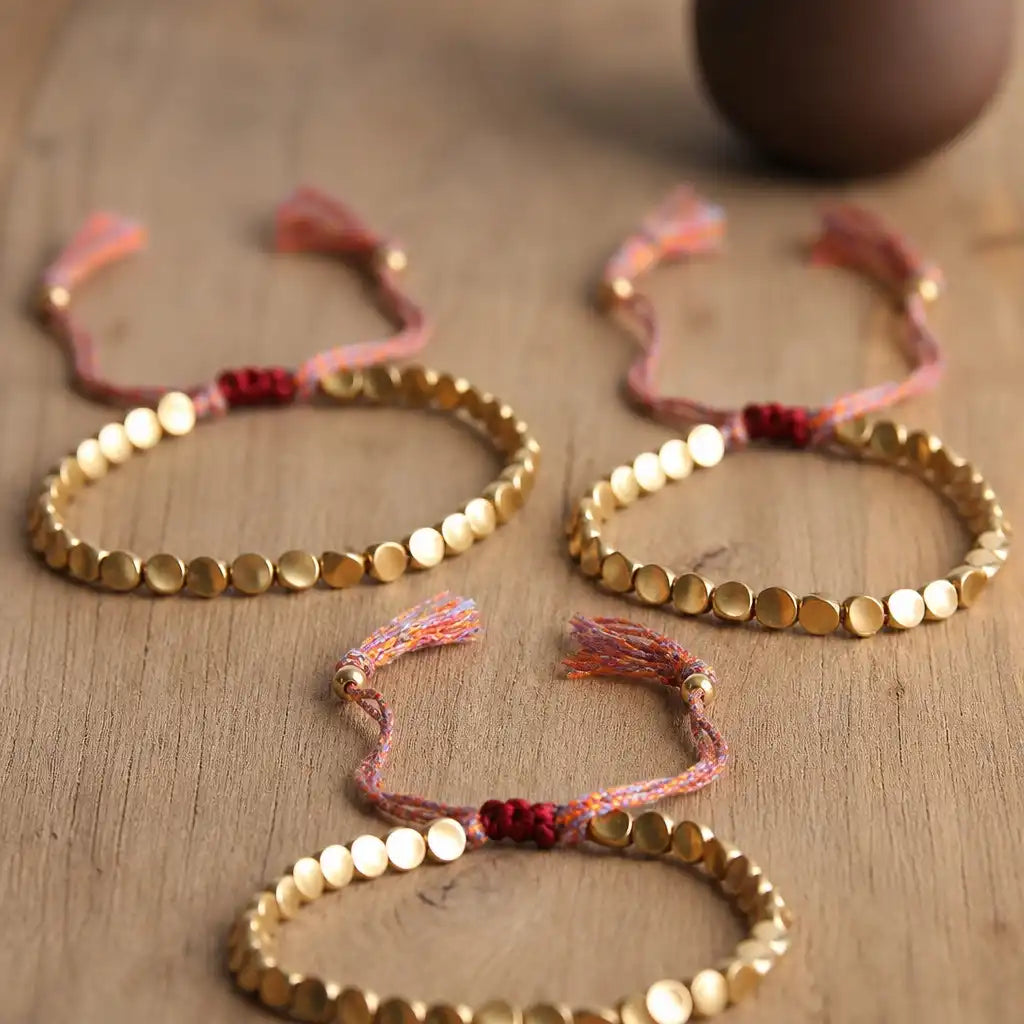
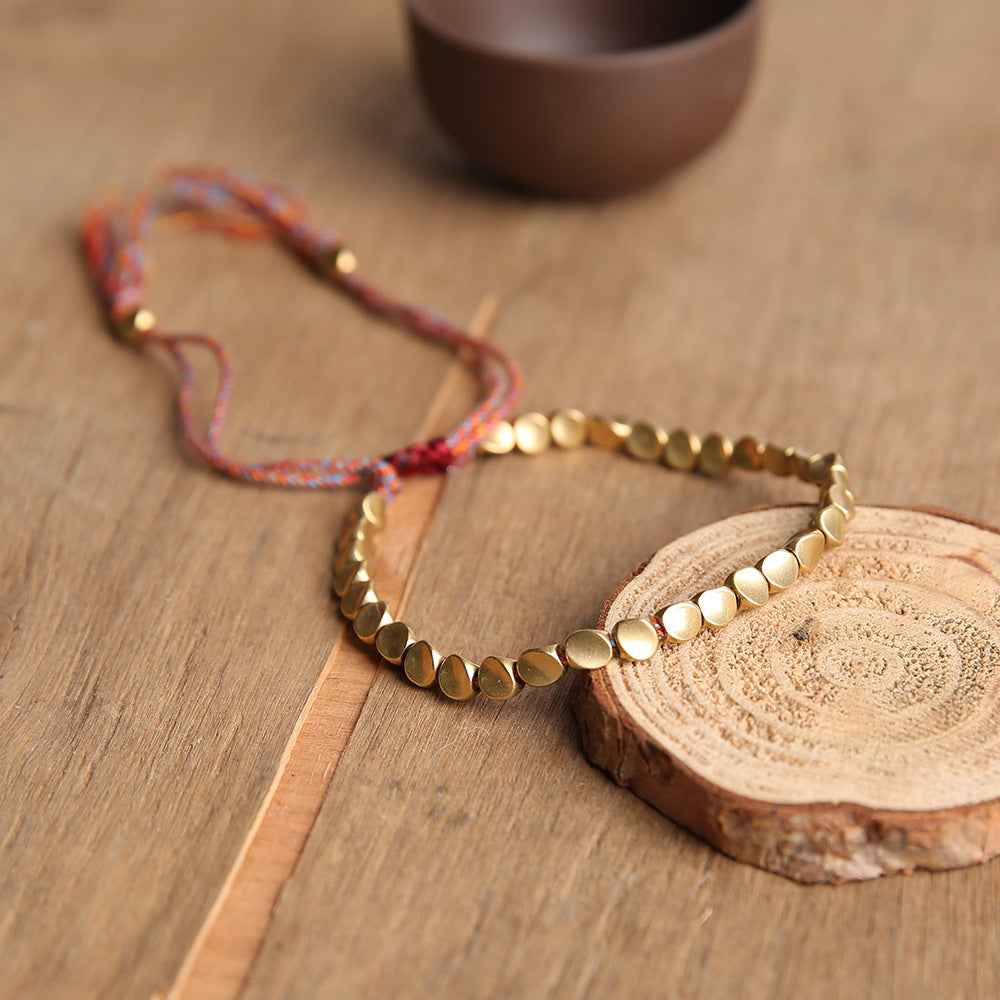


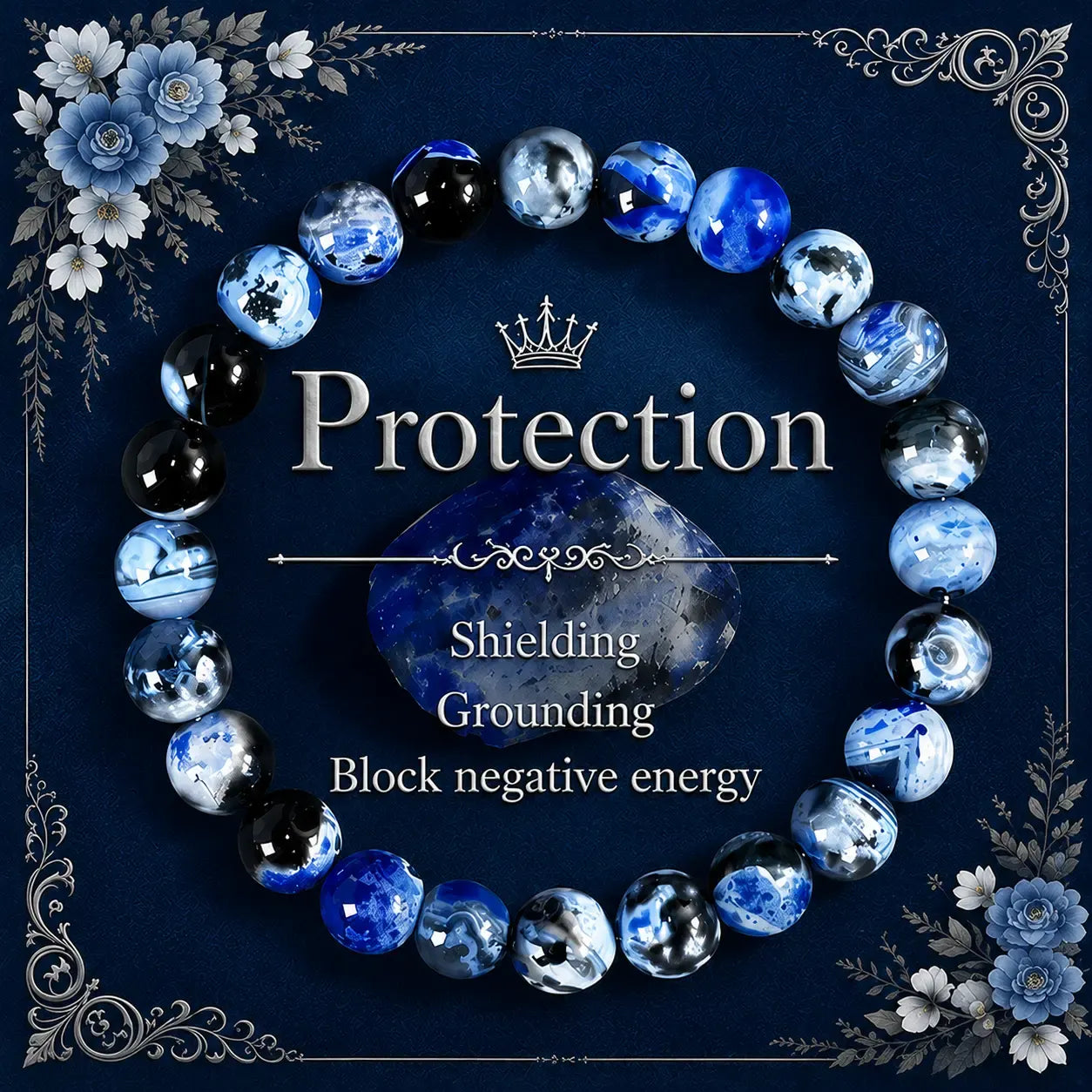

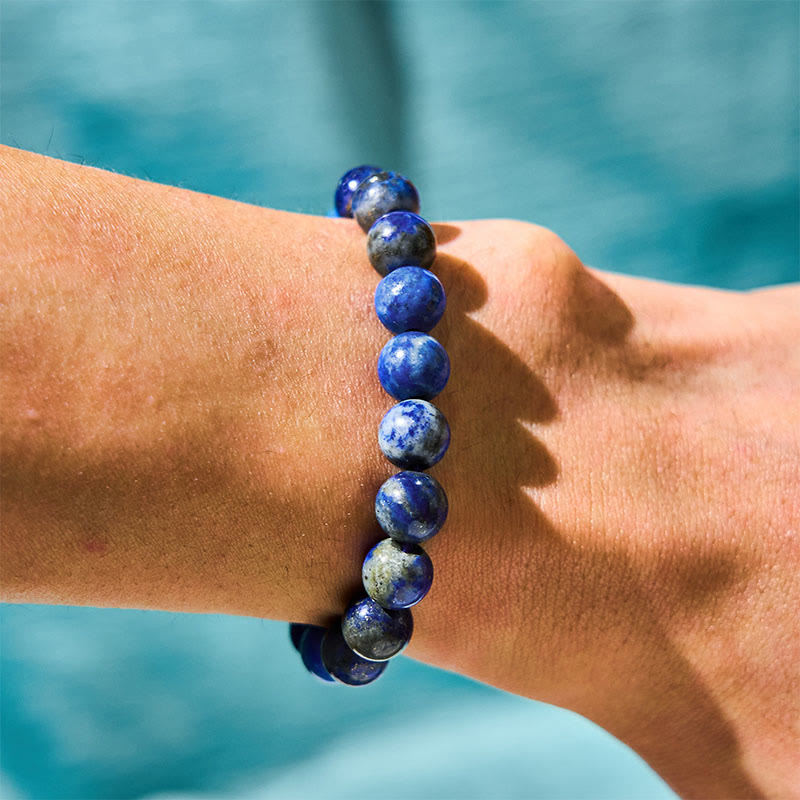
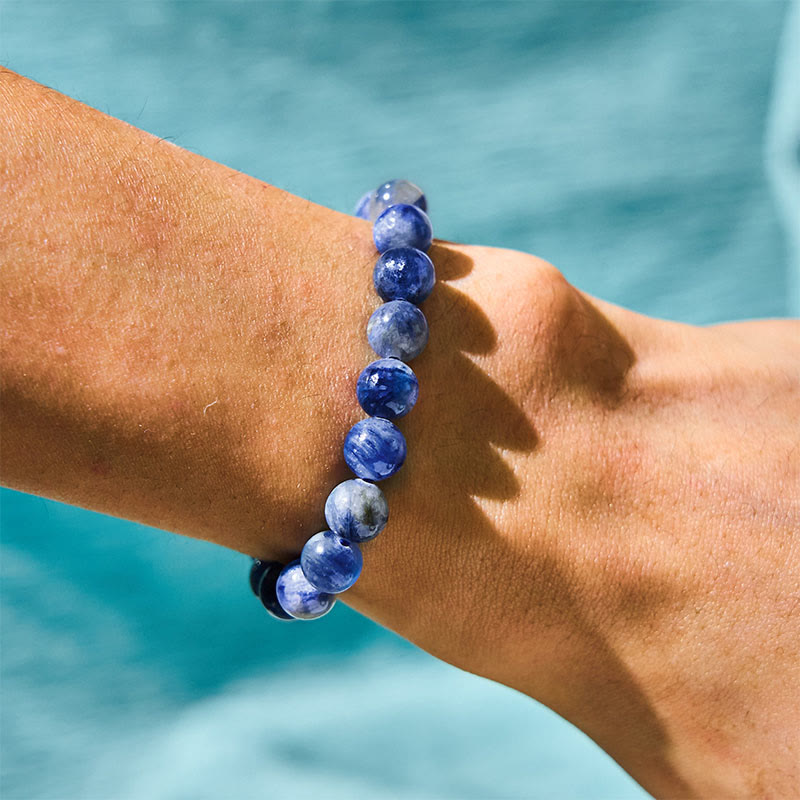

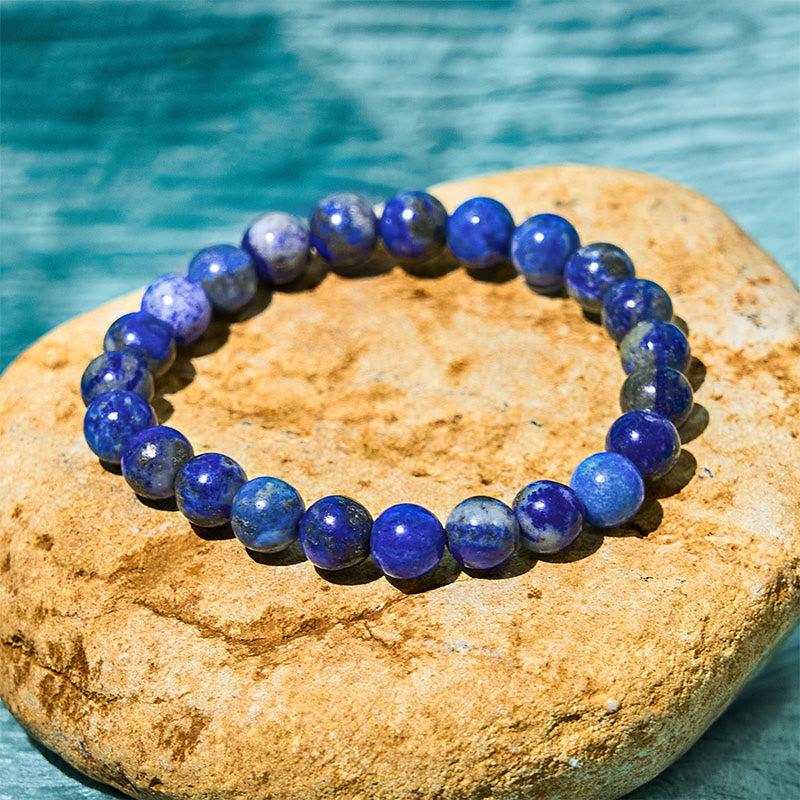
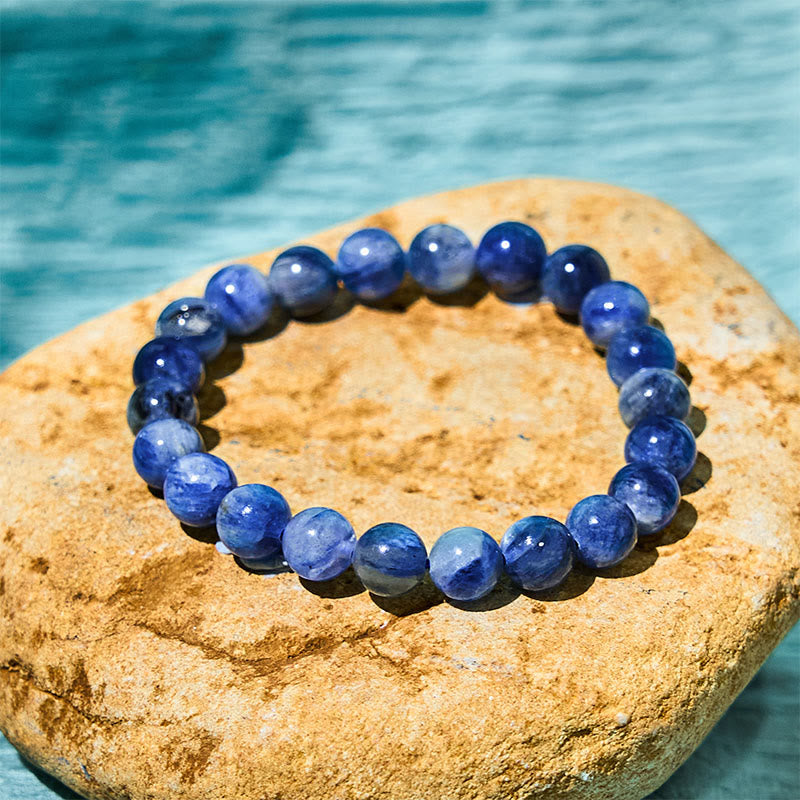

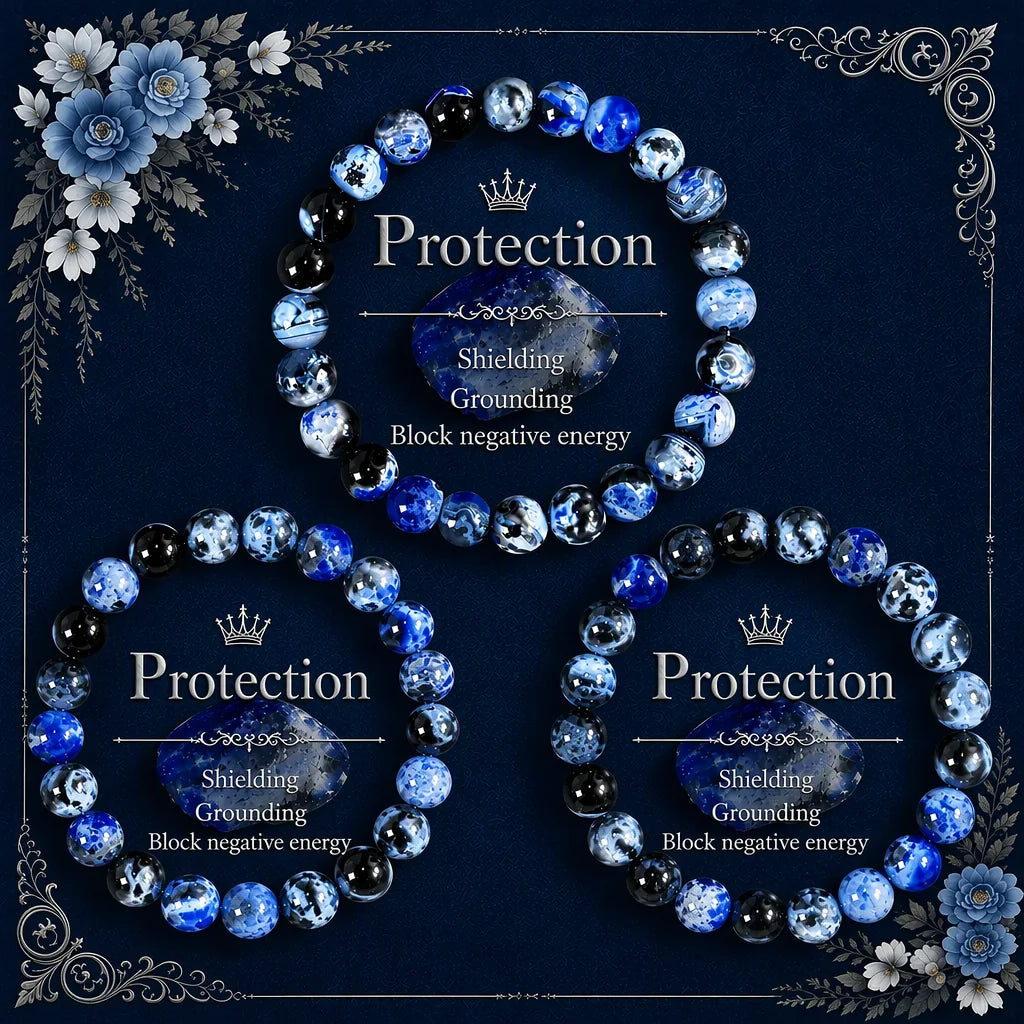
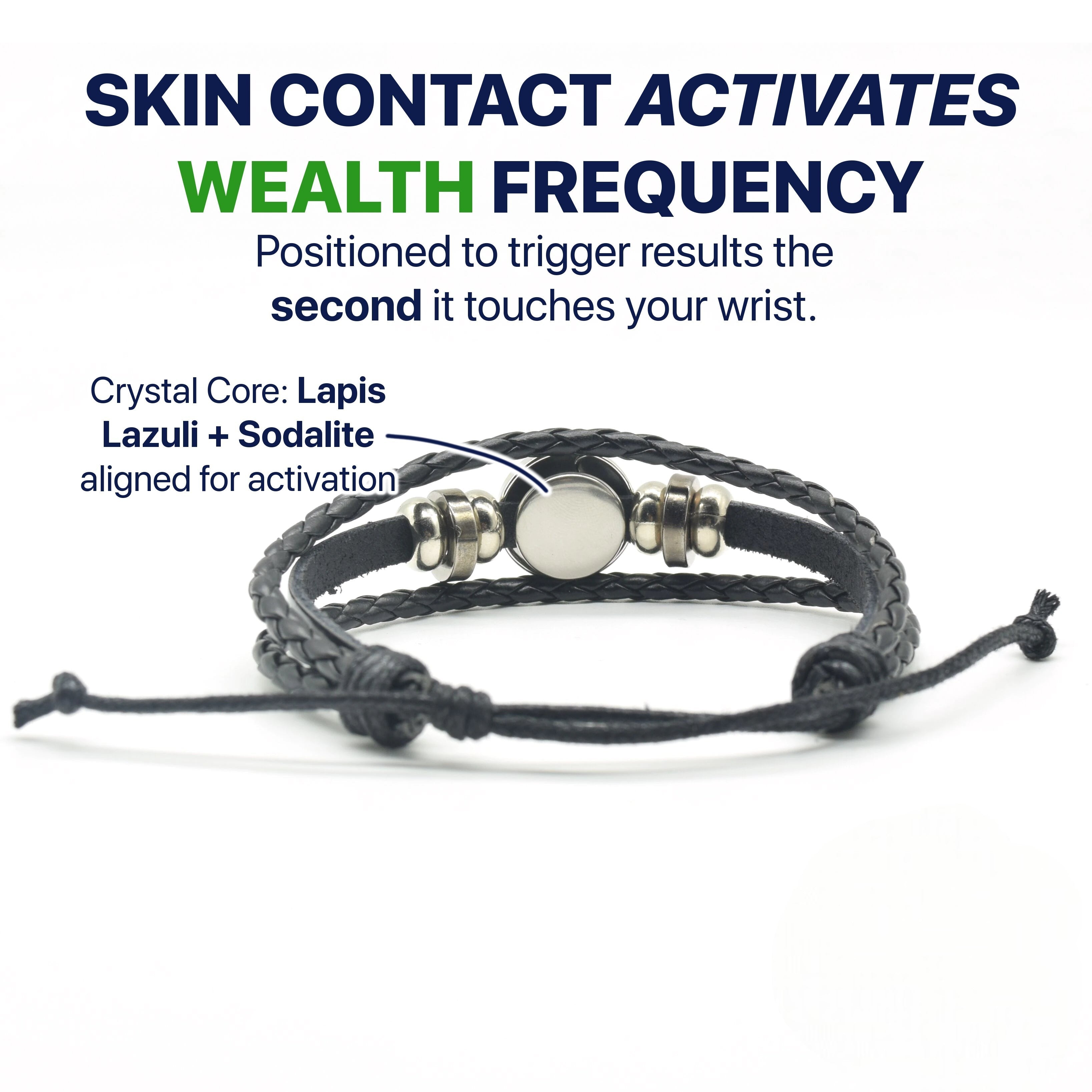

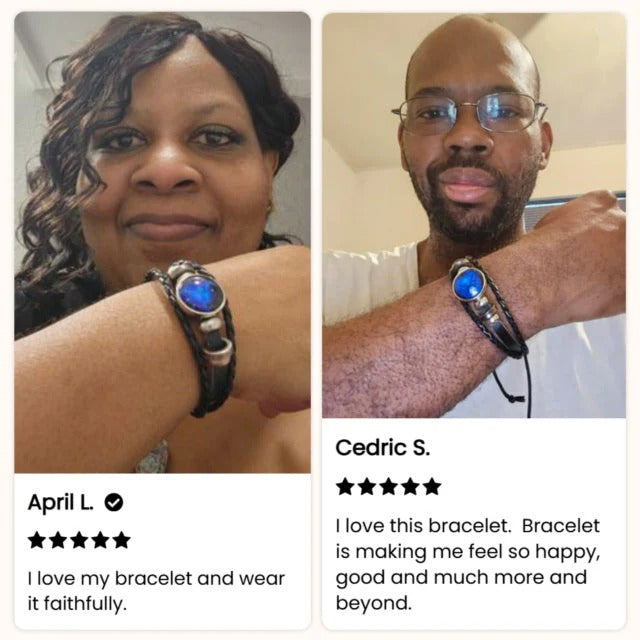

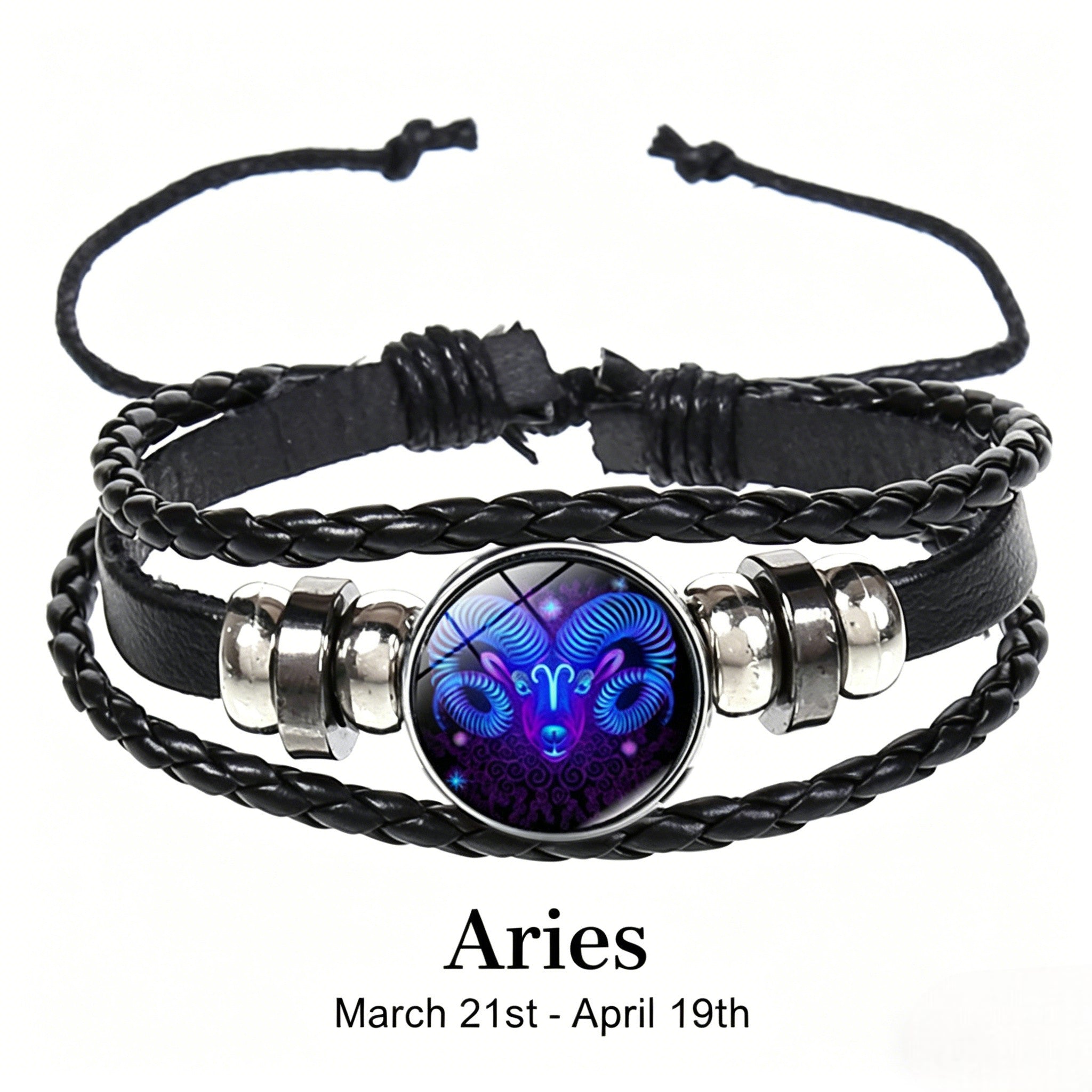
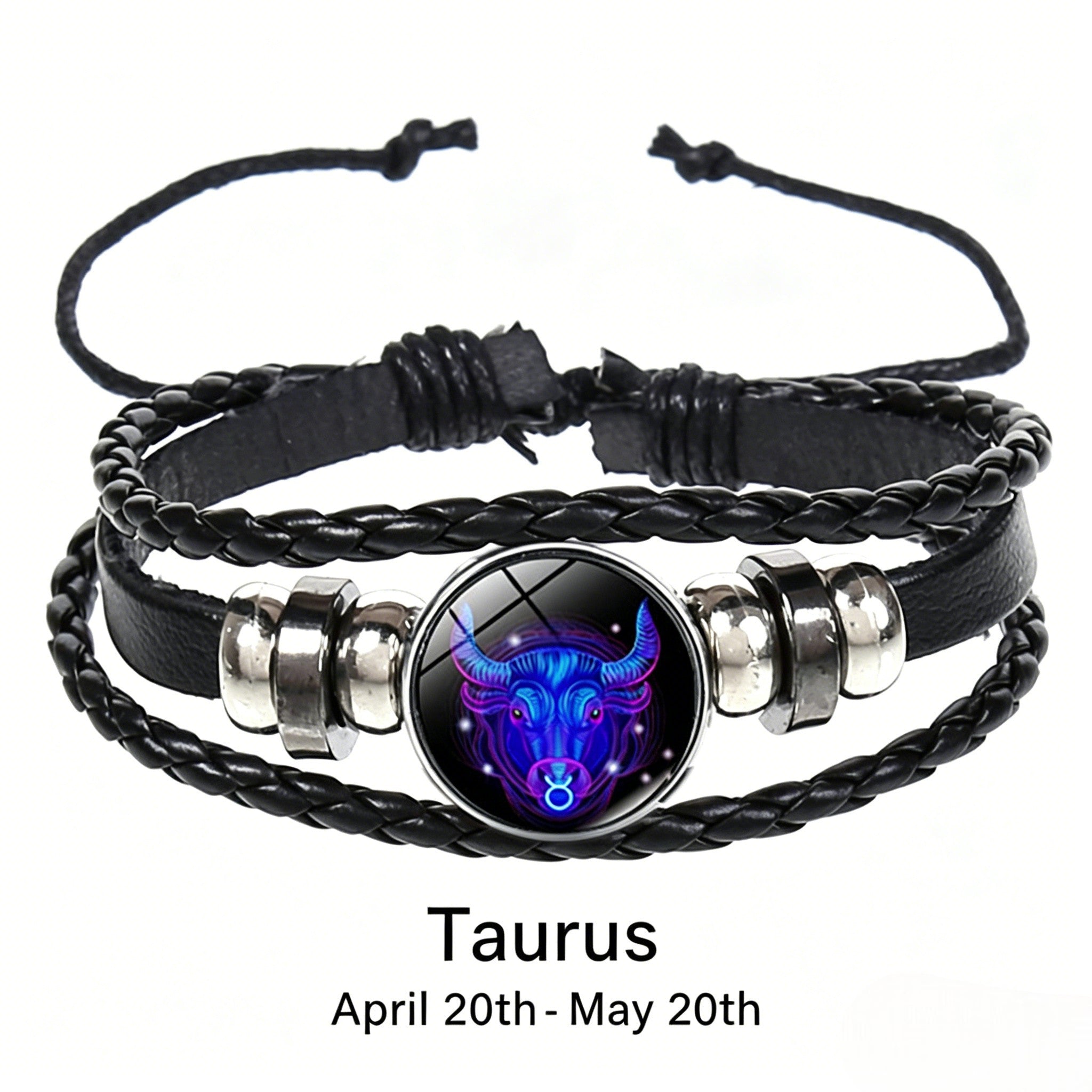





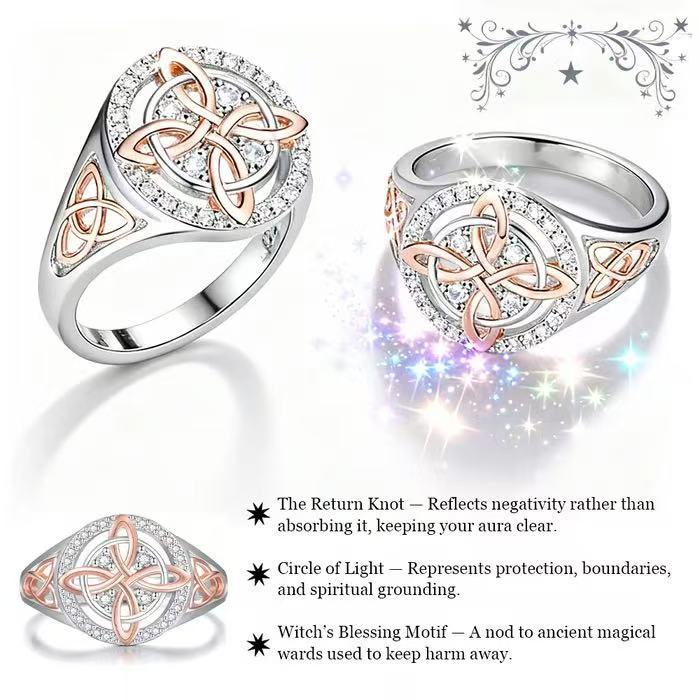
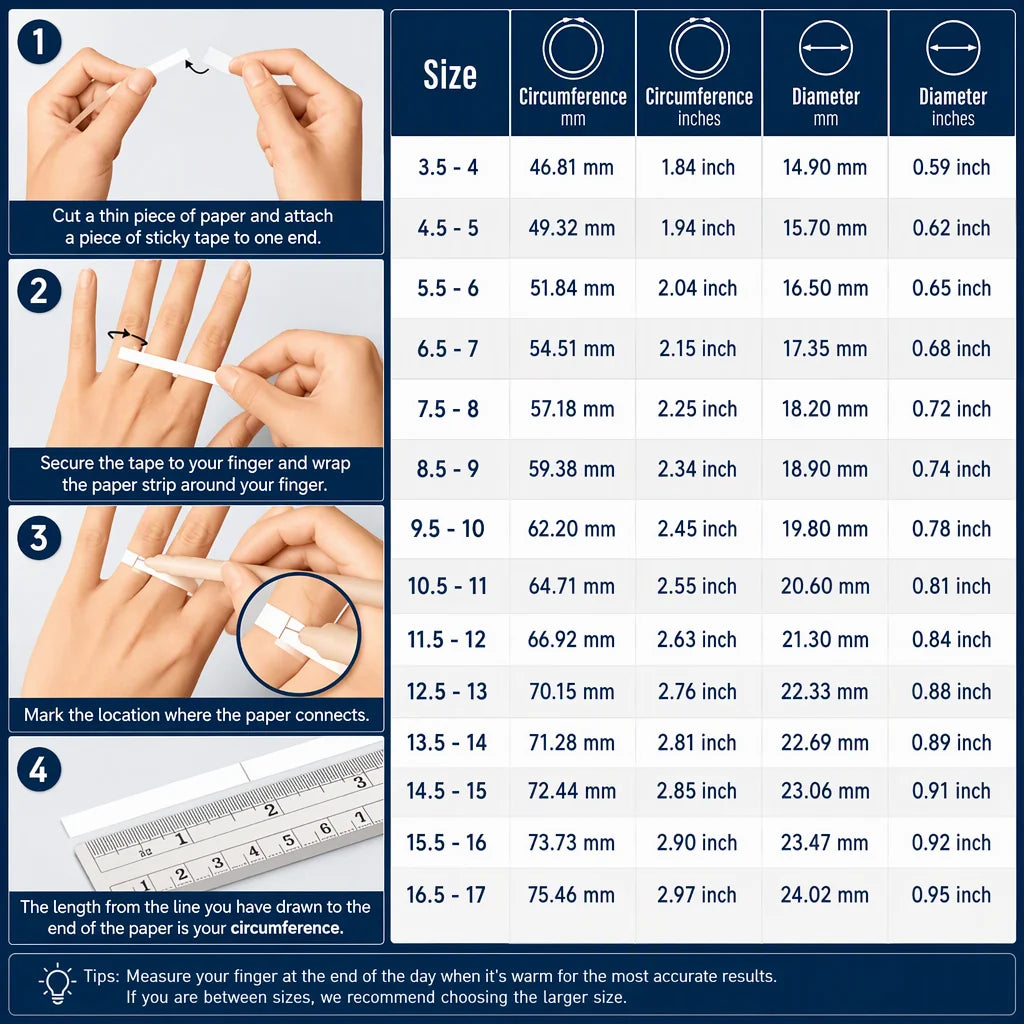
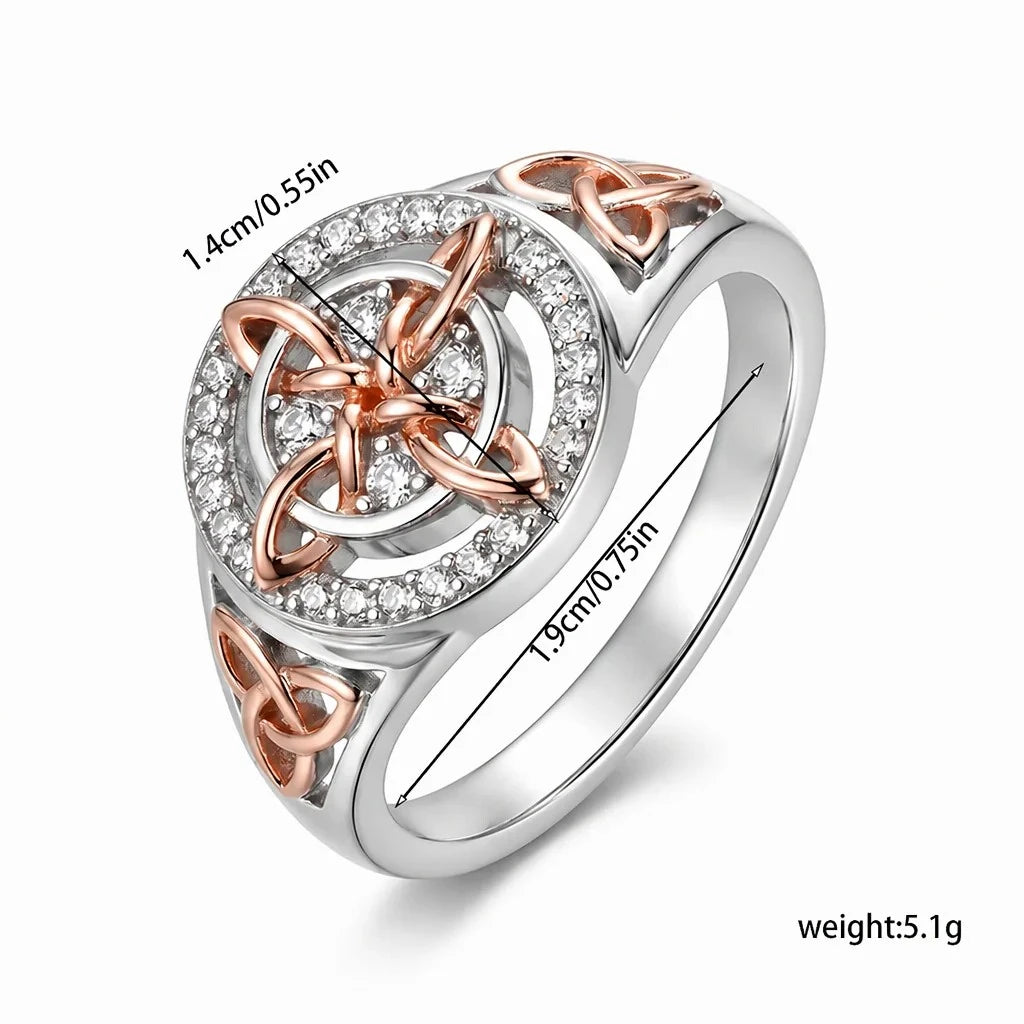

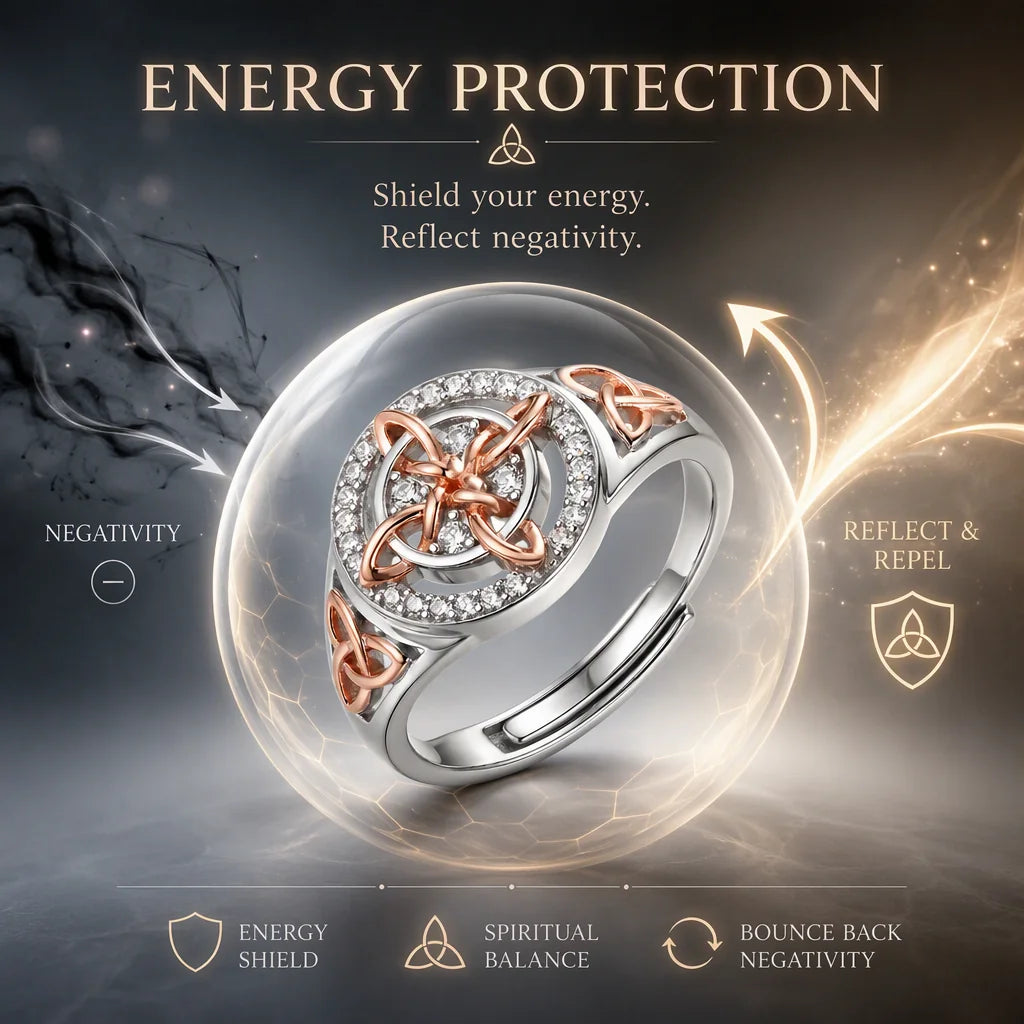
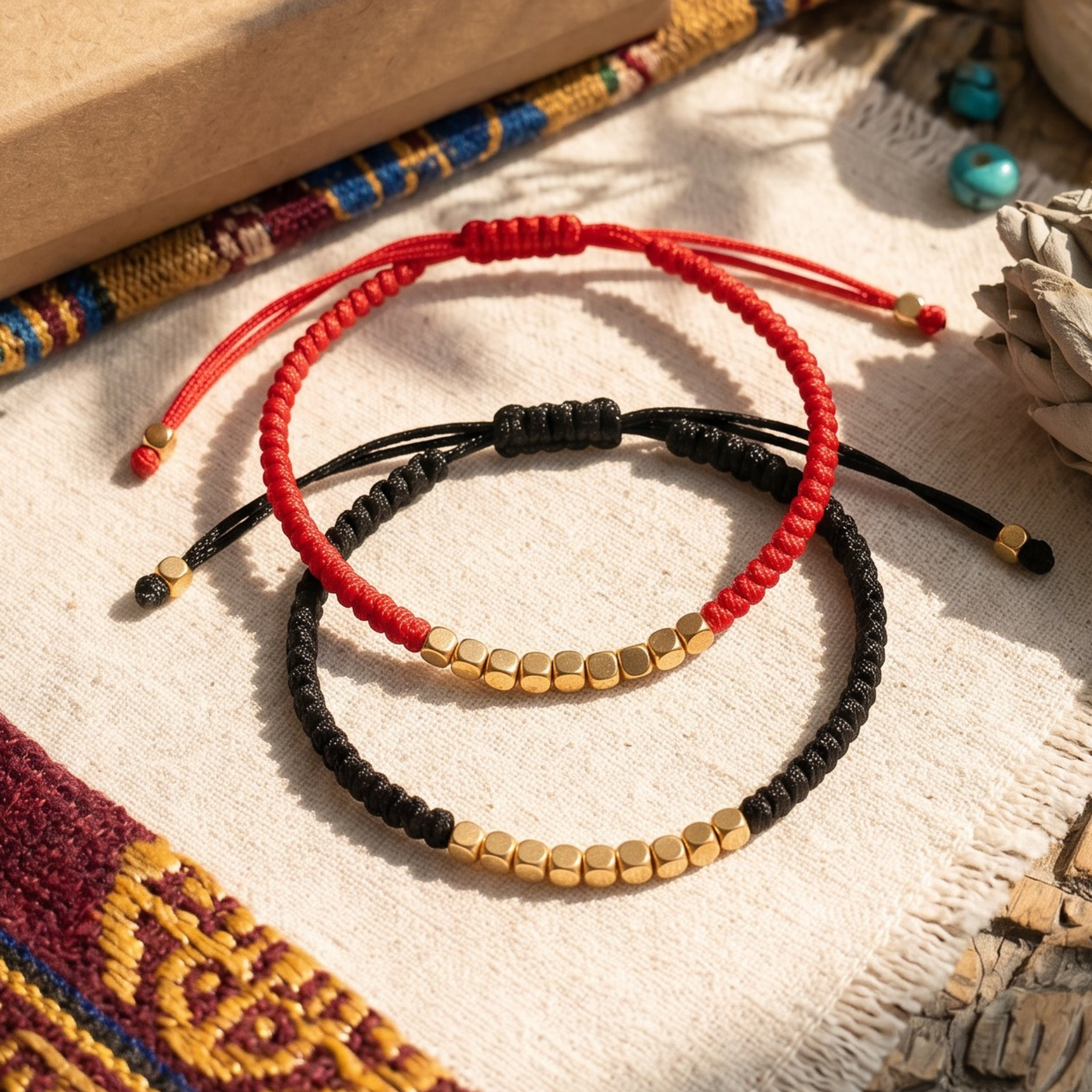
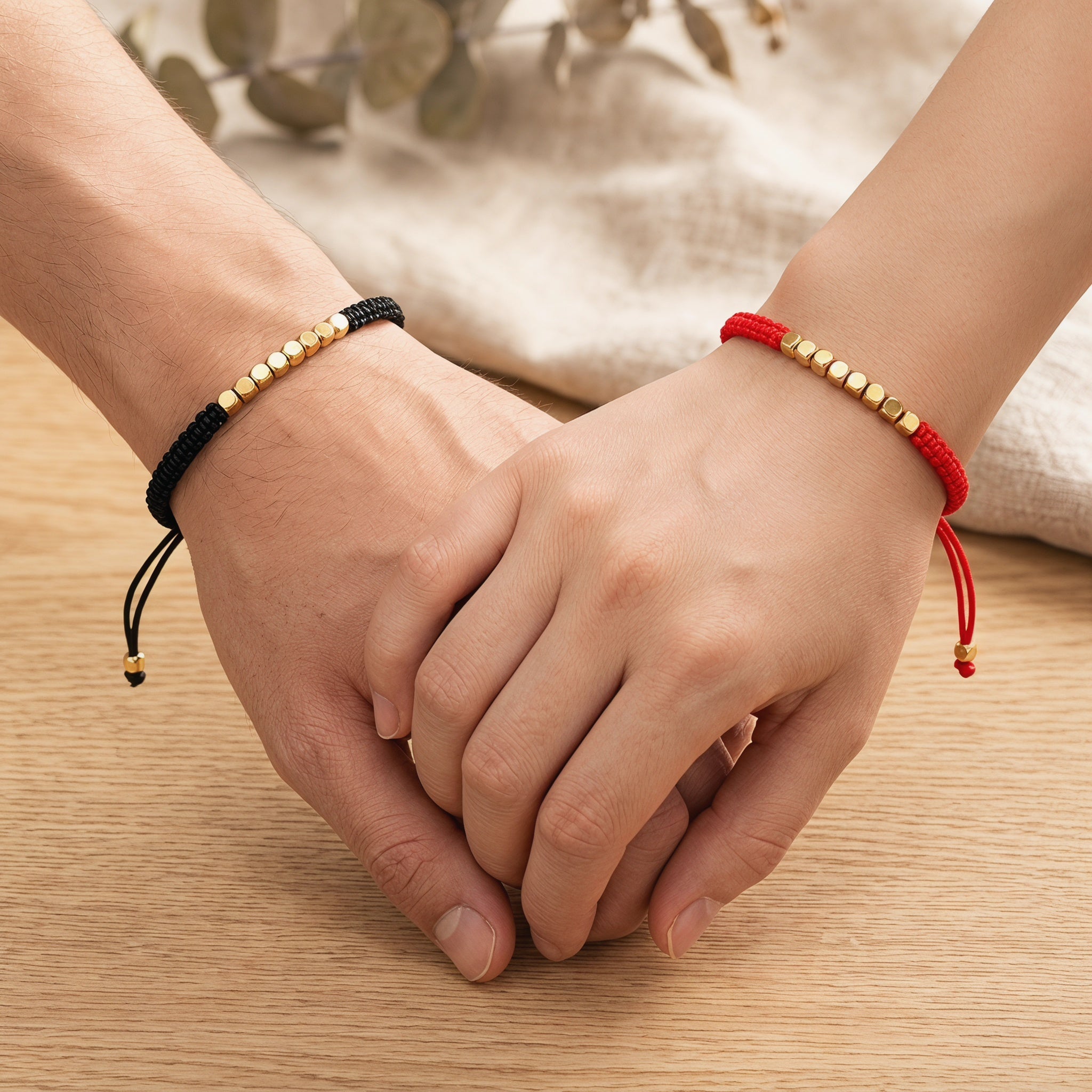

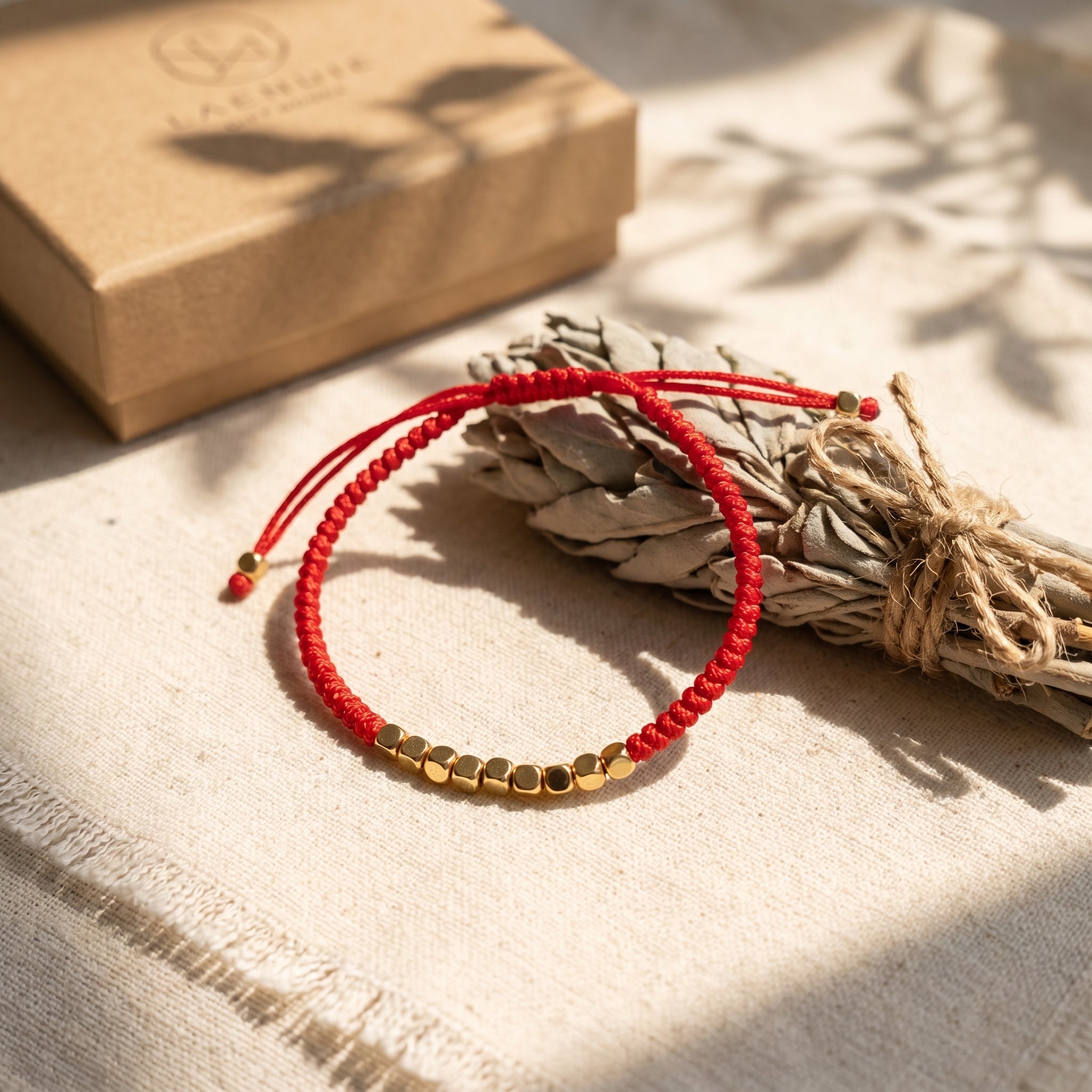
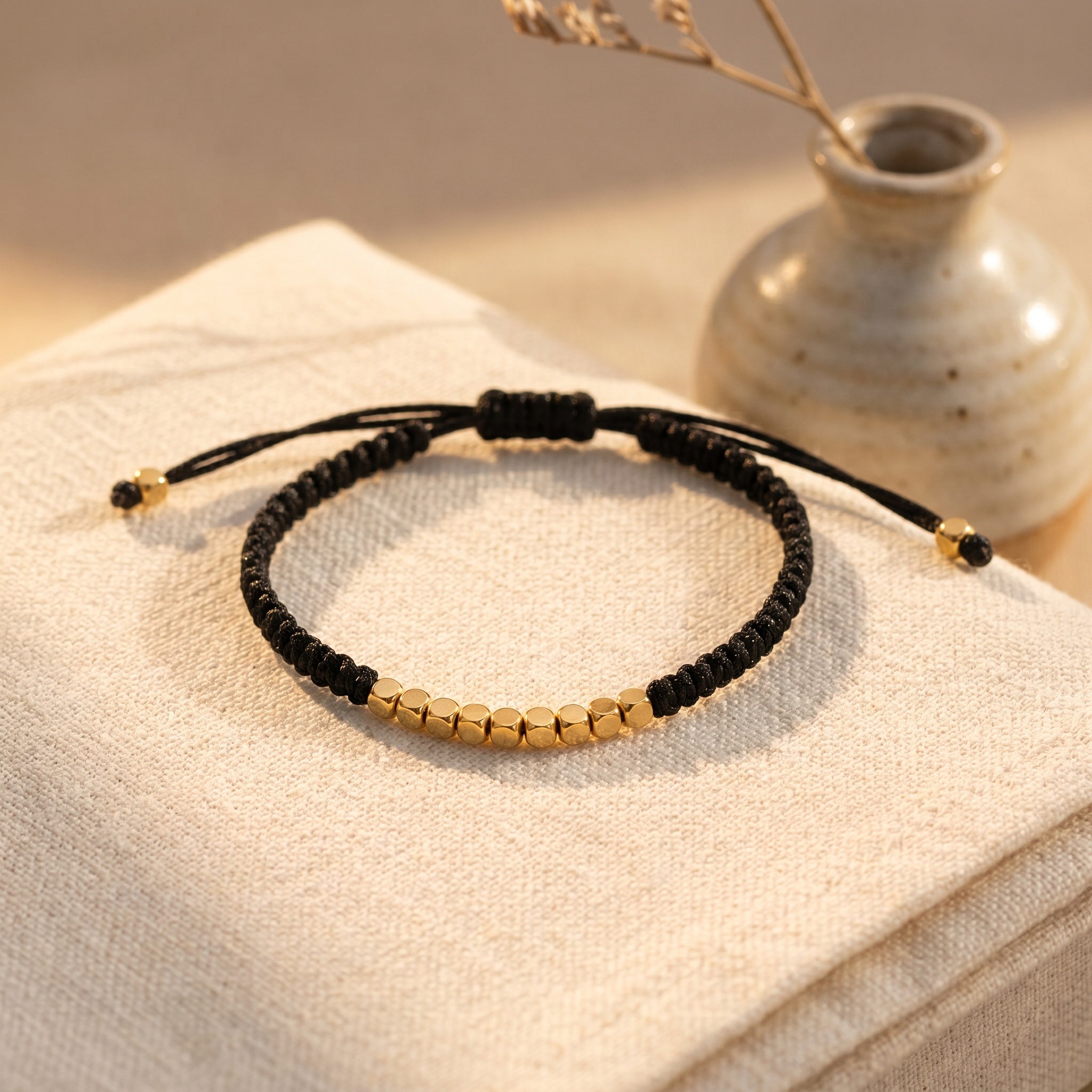
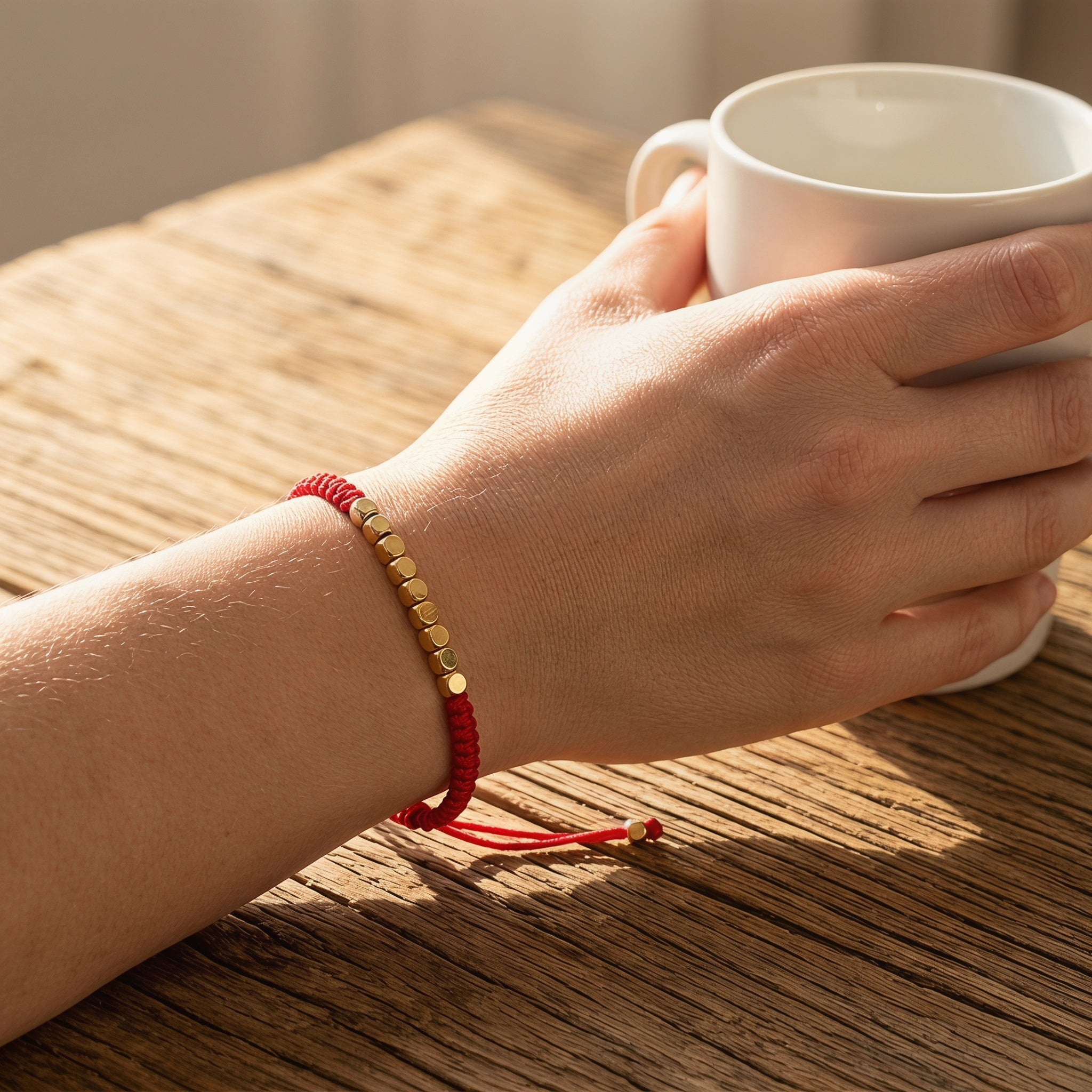
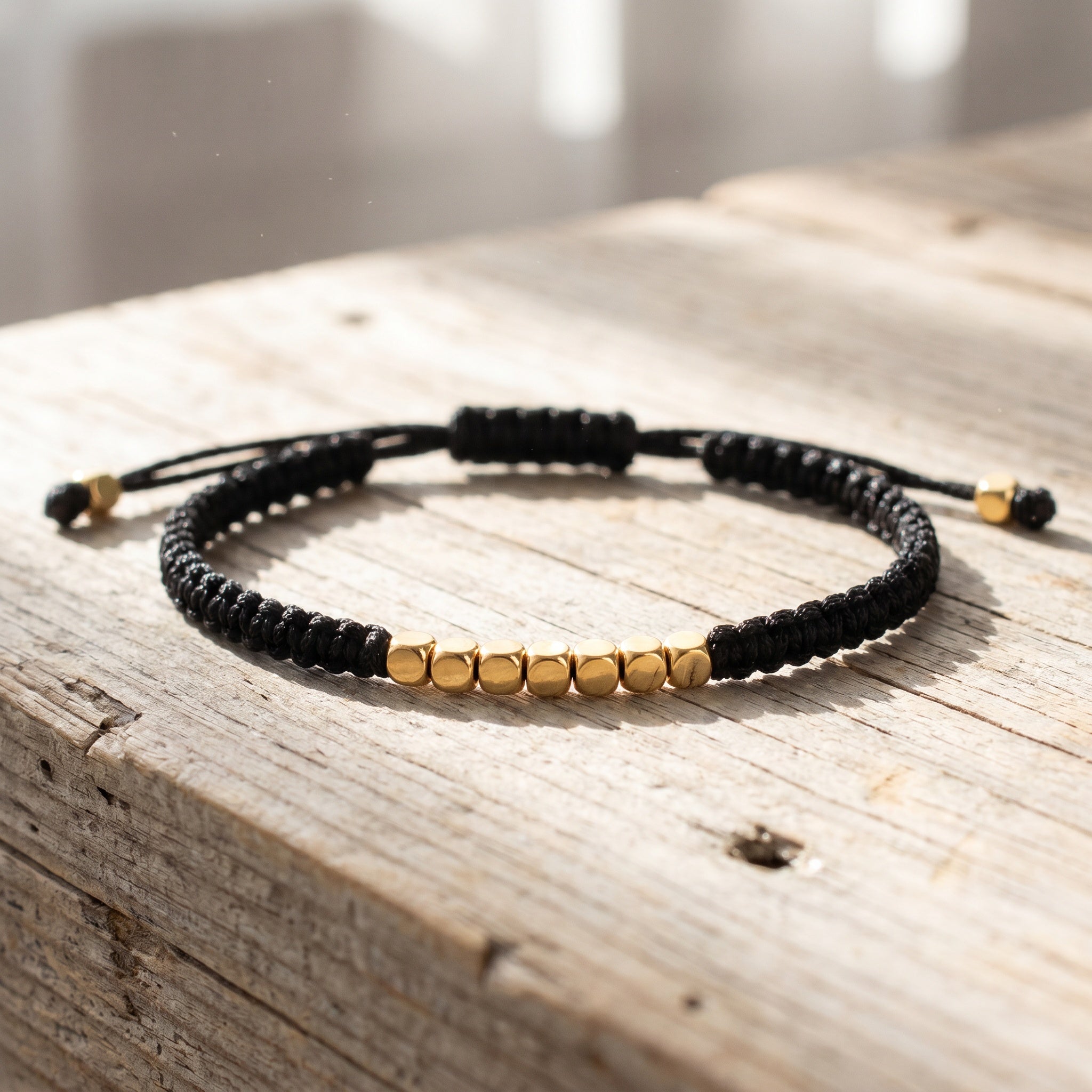
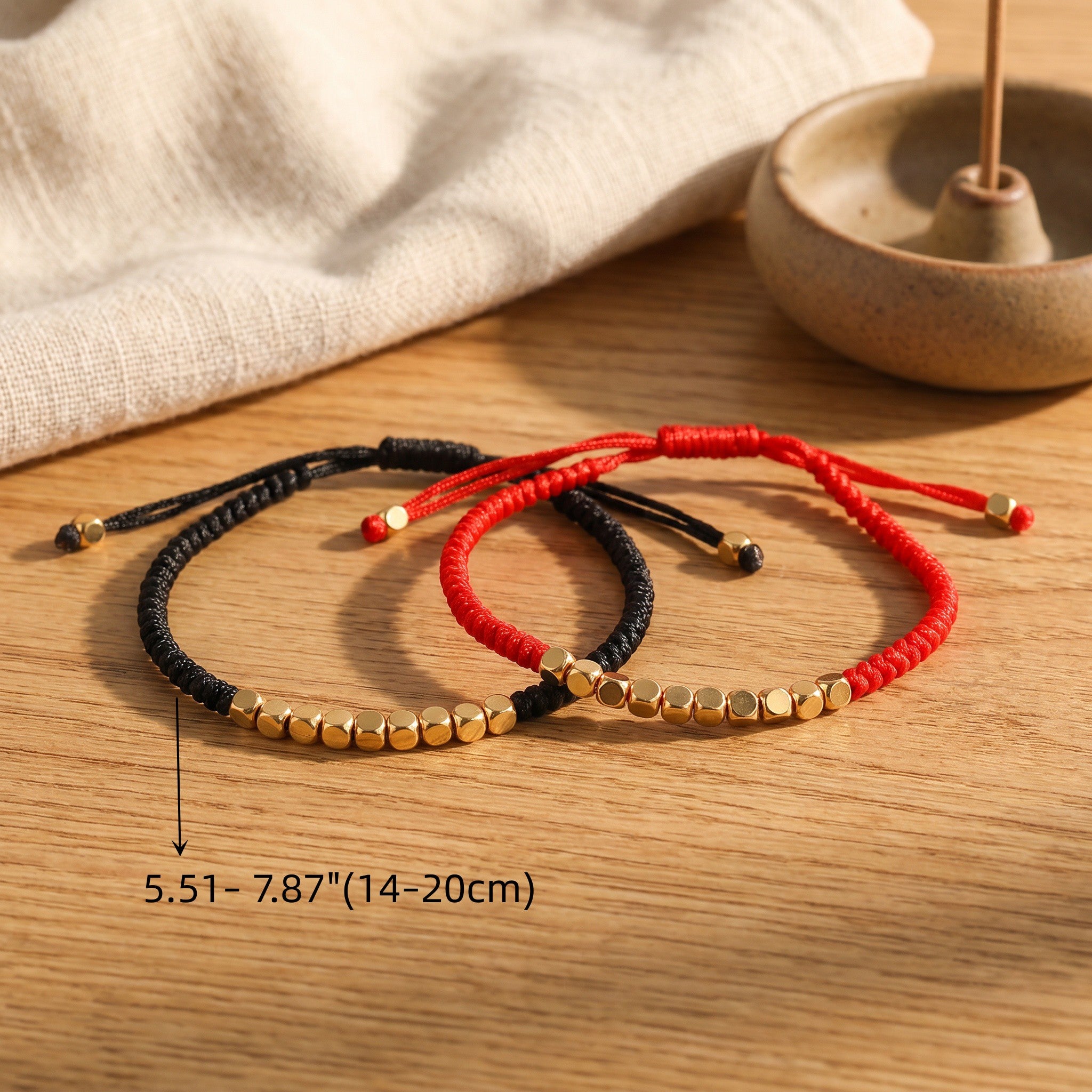



 is a straightforward option if you want citrine beads as the main focus. It’s easy to pair with daily outfits and can work well as a consistent reminder for optimism and goal-setting.
 combines citrine with a Pixiu charm, a figure that is popularly used in Feng Shui tradition as a symbol associated with wealth-attraction and protection. If you like culturally rooted symbolism, this style may feel more intentional—especially if you’re choosing a wrist based on “receiving” vs. “acting.”
 includes a rotating prayer wheel-style charm. If you want your bracelet to prompt mindful pauses (for example, before spending, before a meeting, or when you feel scattered), a movable element can make the bracelet more interactive and noticeable throughout the day.
 blends citrine with other stones in a clean, modern pattern. This can be a good fit if you want citrine’s bright look while keeping your jewelry style more structured and understated.


