

























Chakra & Aura Purple Crystal Guide: Names, Meanings & Spiritual Properties
The Chakra & Aura purple crystal guide offers a thoughtful exploration of purple crystals — their names, meanings, and traditional uses in spiritual wellness. Whether you're seeking purple crystal meaning and properties for meditation, love, or inner growth, this guide helps you understand which stones resonate with your intentions. Discover what is the purple crystal called, how they support emotional balance, and how to choose the right one for your journey.
Table of Contents
- What Is a Purple Crystal?
- History & Cultural Background
- Symbolism & Traditional Meaning
- Benefits & Practical Uses
- Buying Guide
- Care Guide
- Frequently Asked Questions
What Is a Purple Crystal?
Purple crystals are gemstones that display shades ranging from soft lavender to deep violet. They are formed through natural mineral processes and are often linked to the Crown and Third Eye chakras in spiritual traditions. Common purple crystals include Amethyst, Charoite, Lepidolite, and Sugilite. These stones are traditionally associated with higher consciousness, intuition, and emotional tranquility. When asked, “What is the purple crystal called?” — Amethyst is most frequently named due to its widespread use and accessibility.
History & Cultural Background
Purple has long symbolized royalty, spirituality, and mystery across cultures. Ancient Egyptians used amethyst in amulets for protection, while Greek and Roman civilizations believed it prevented intoxication — hence the name “amethystos,” meaning “not drunken.” In Eastern traditions, purple stones were used in meditation and temple rituals to enhance spiritual insight. Today, these stones remain central to mindfulness practices and energy healing systems worldwide.
Symbolism & Traditional Meaning
Each purple crystal carries unique symbolism:
| Crystal Name | Traditional Meaning |
|---|---|
| Amethyst | Calm, clarity, spiritual protection |
| Charoite | Transformation, inner strength |
| Lepidolite | Emotional balance, stress relief |
| Sugilite | Heart healing, compassion |
| Purple Fluorite | Mental focus, spiritual alignment |
These purple crystal names and meanings reflect their roles in promoting peace, insight, and emotional harmony.
Benefits & Practical Uses
Purple Crystal for Love and Relationships
Amethyst and Sugilite are traditionally used to open the heart to compassion and deepen emotional bonds. Wearing a purple crystal for love and relationships is believed to dissolve resentment and encourage honest communication. Many users report feeling more patient and emotionally grounded when carrying these stones.
Purple Crystal for Meditation and Spiritual Growth
Amethyst and Purple Fluorite are commonly used in meditation for their calming influence on the mind. Placing a purple crystal on the Third Eye during practice is believed to enhance intuition and spiritual awareness. Lepidolite, rich in lithium, is often held during deep relaxation to quiet mental chatter — making it a favorite for those exploring purple crystal meaning and properties for spiritual growth.
General Benefits
- Supports restful sleep
- Reduces anxiety and overthinking
- Encourages self-reflection and inner wisdom
- Enhances dream recall and lucidity
Buying Guide
When selecting purple crystals, consider:
- Intention: Choose Amethyst for calm, Sugilite for heart healing, or Charoite for transformation.
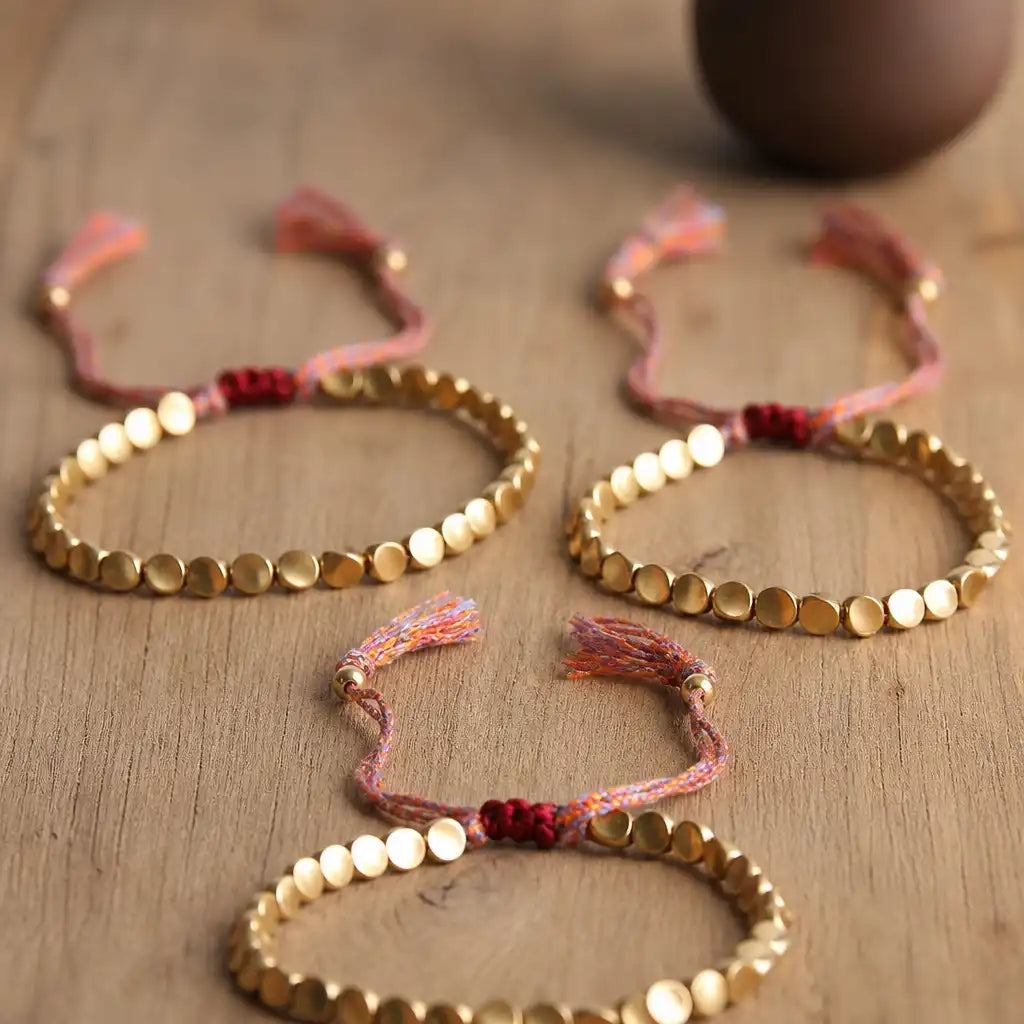
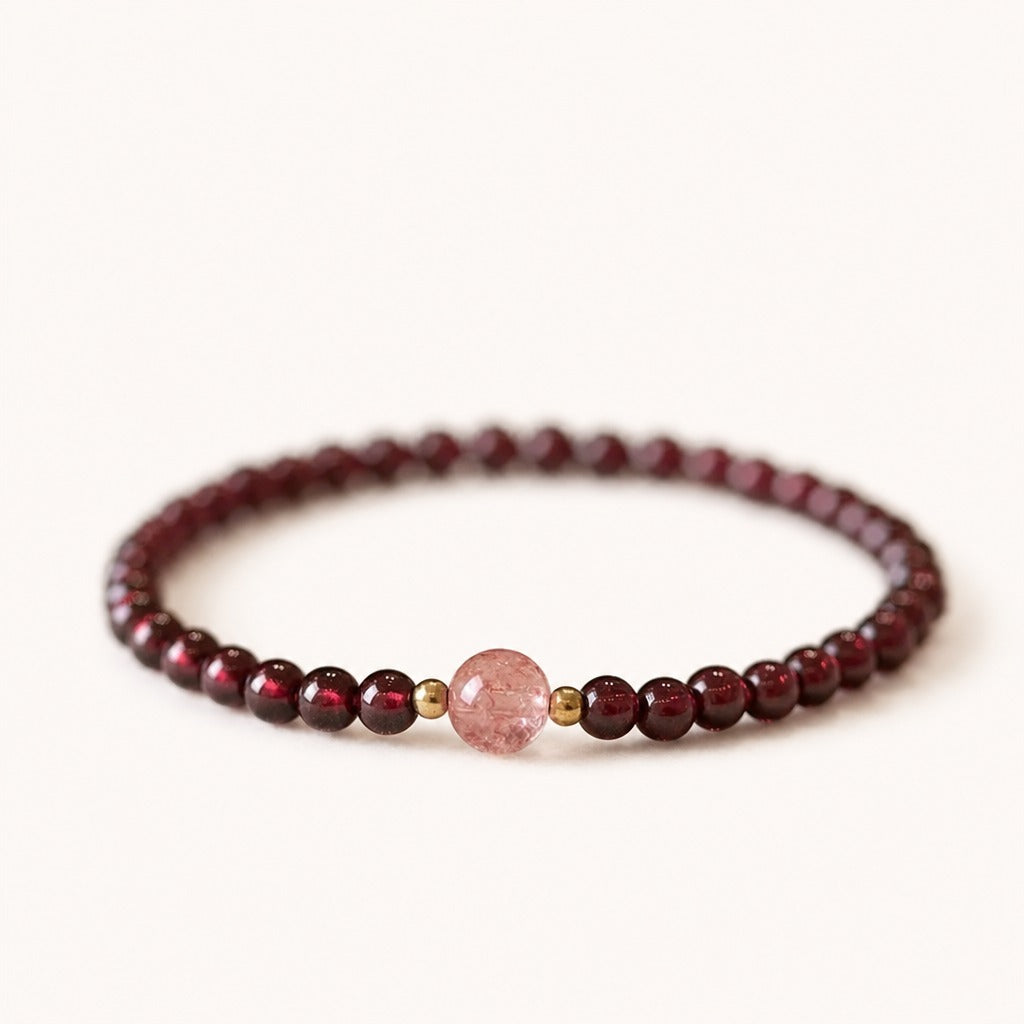
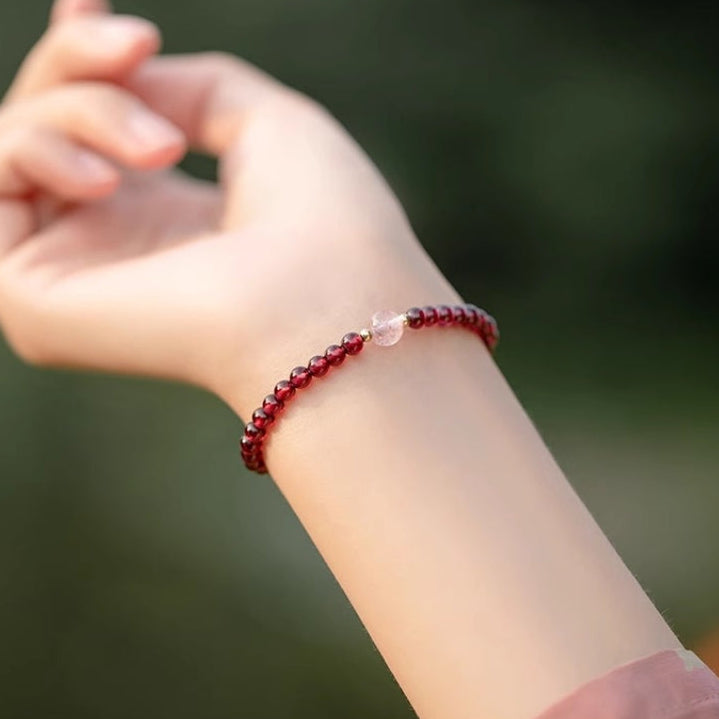
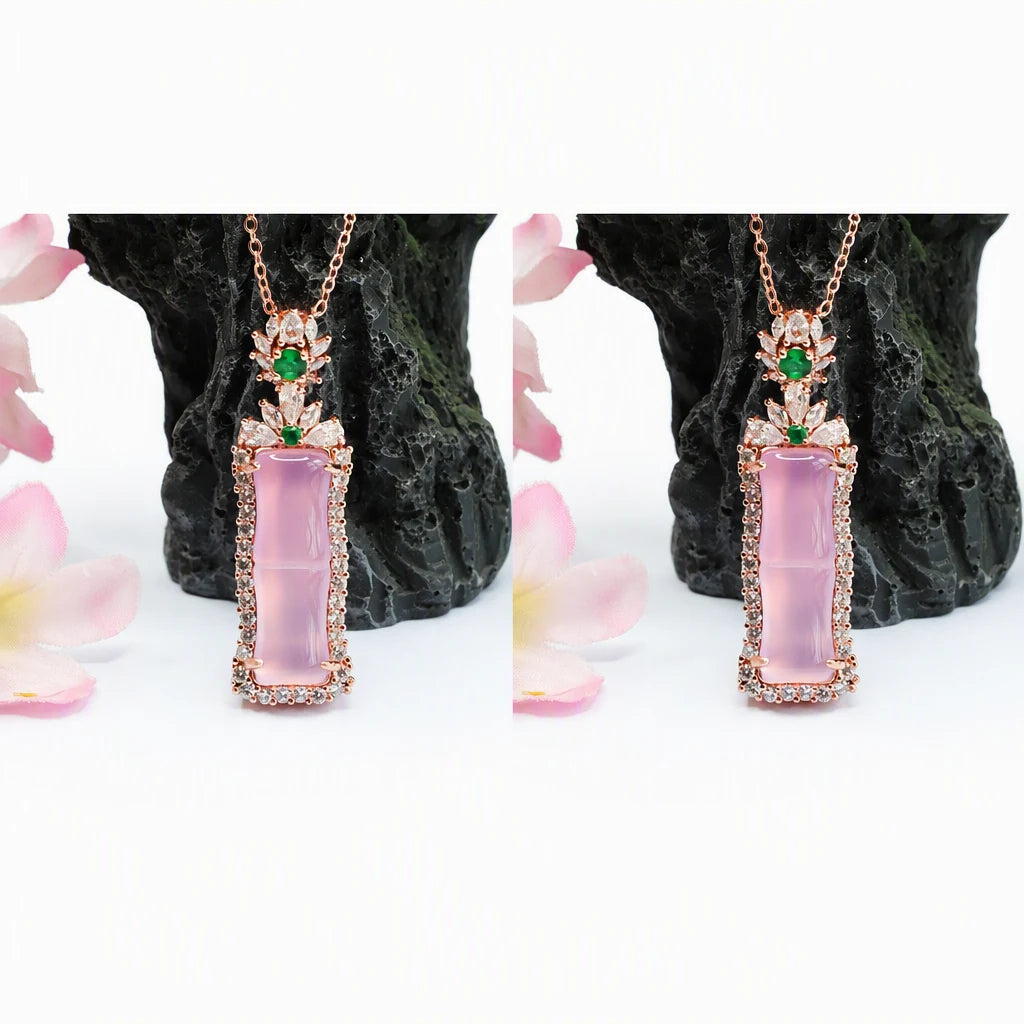
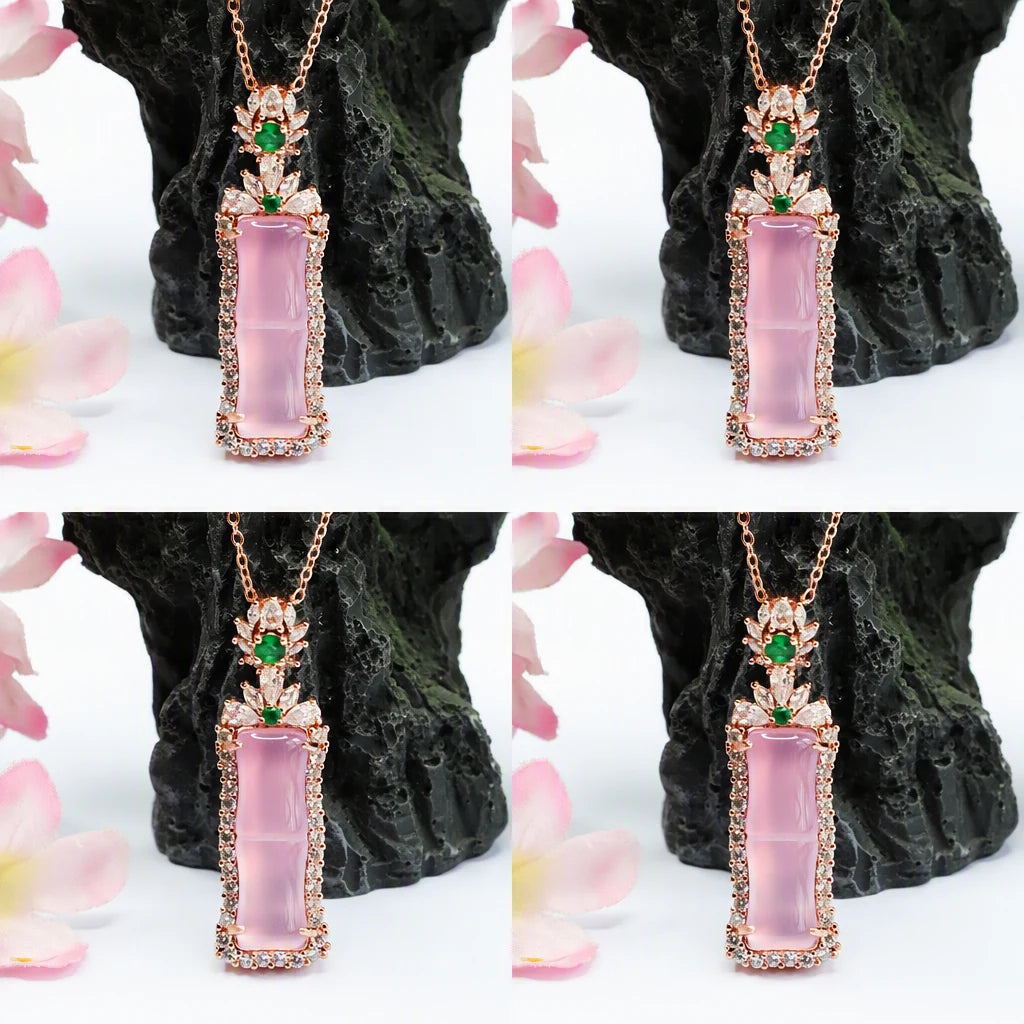
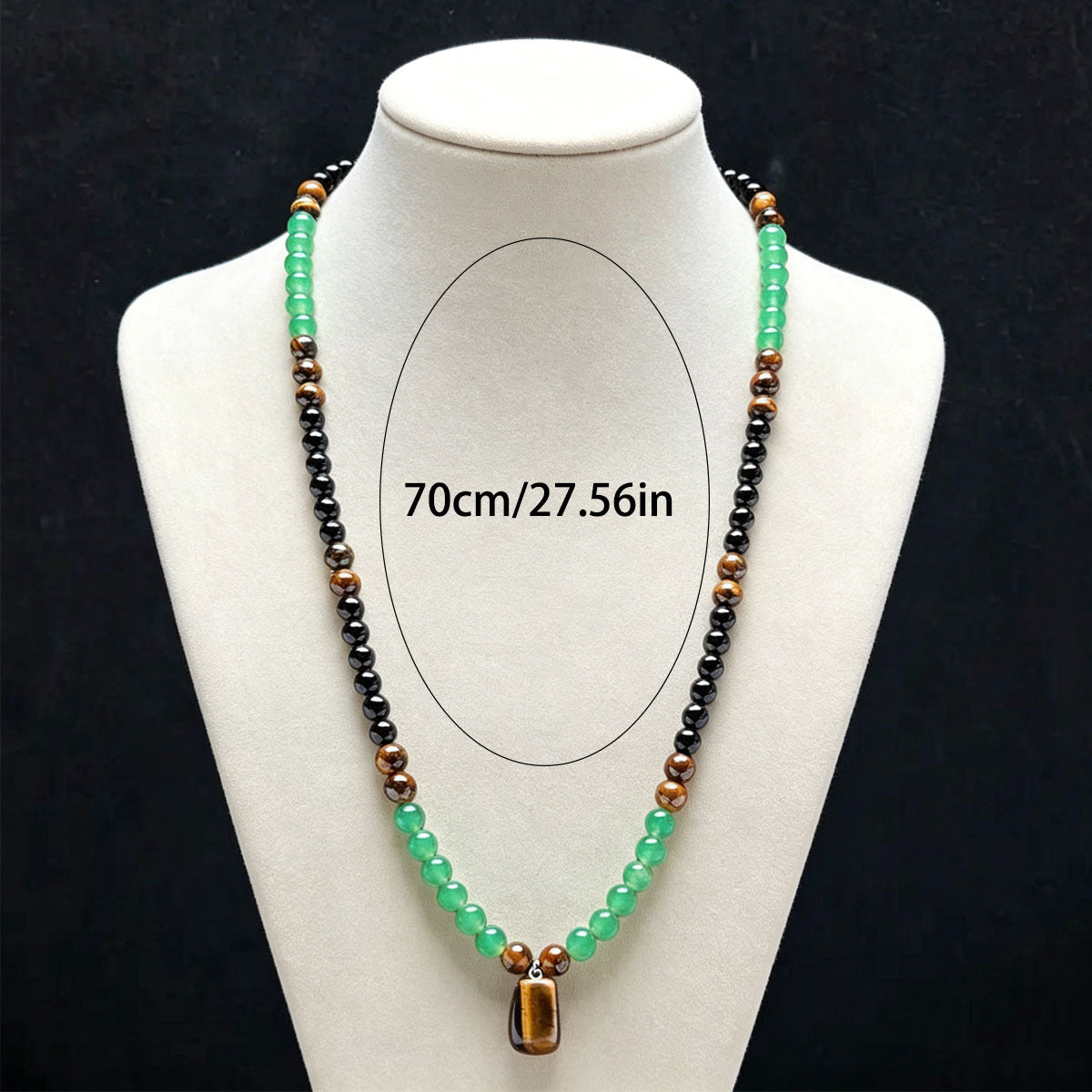
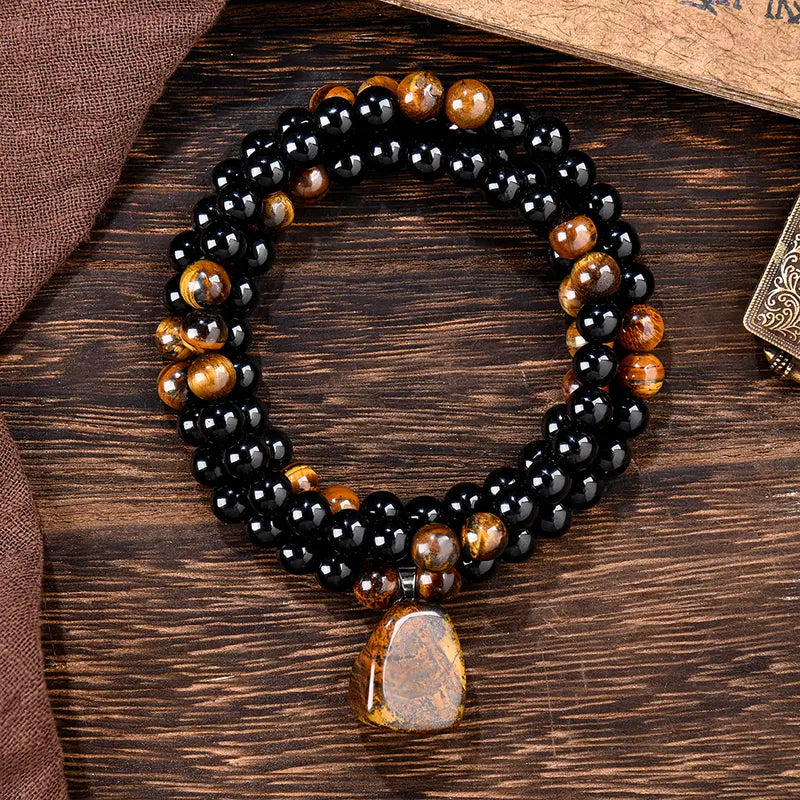
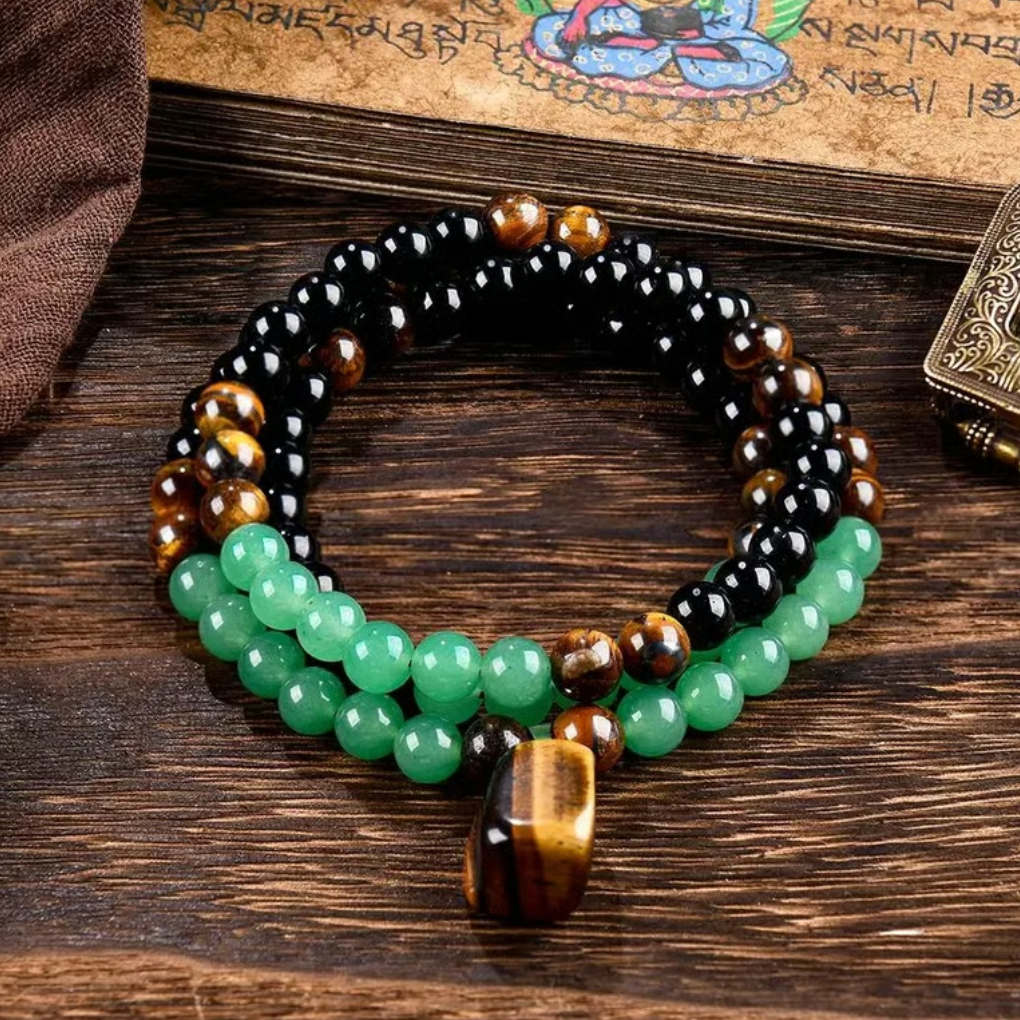
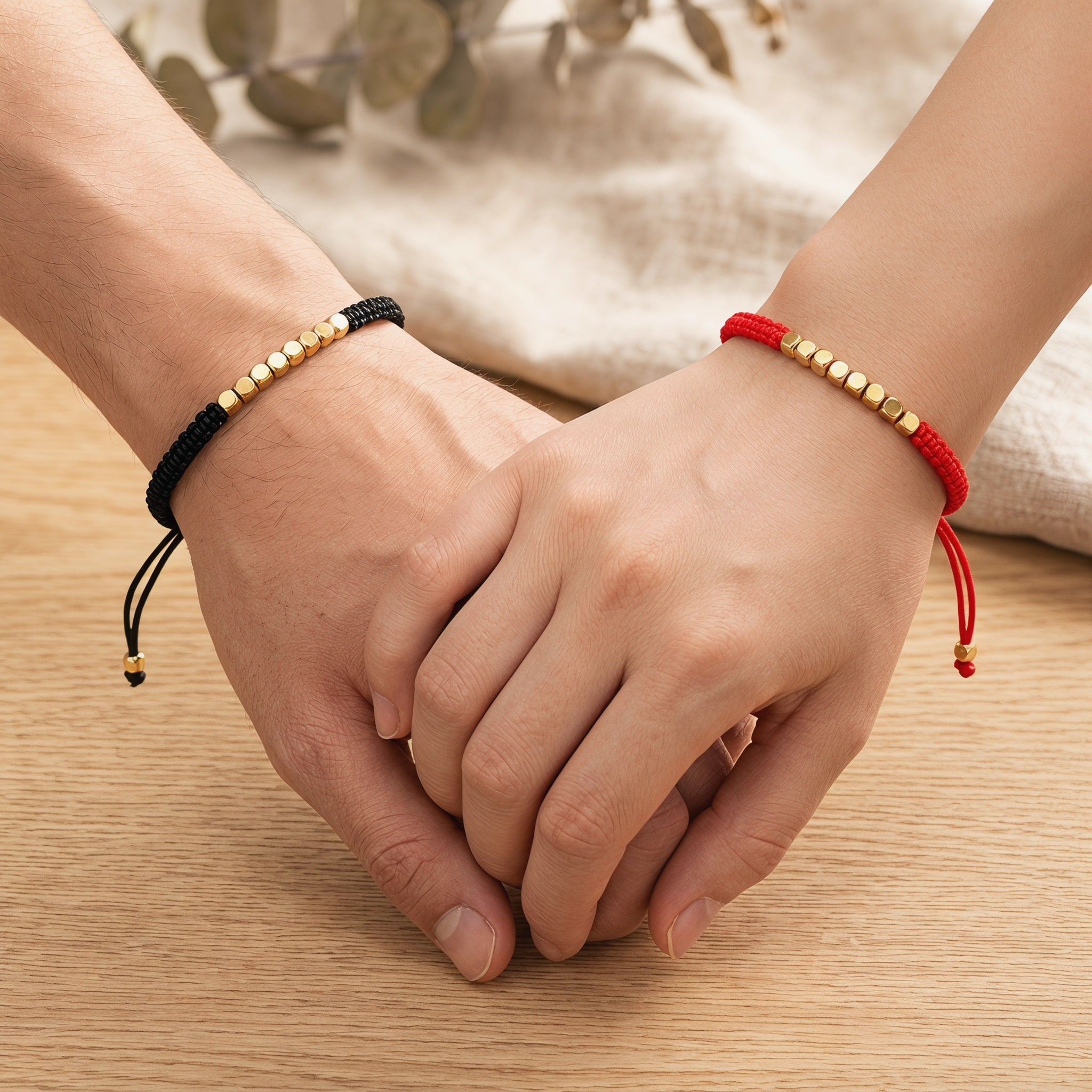
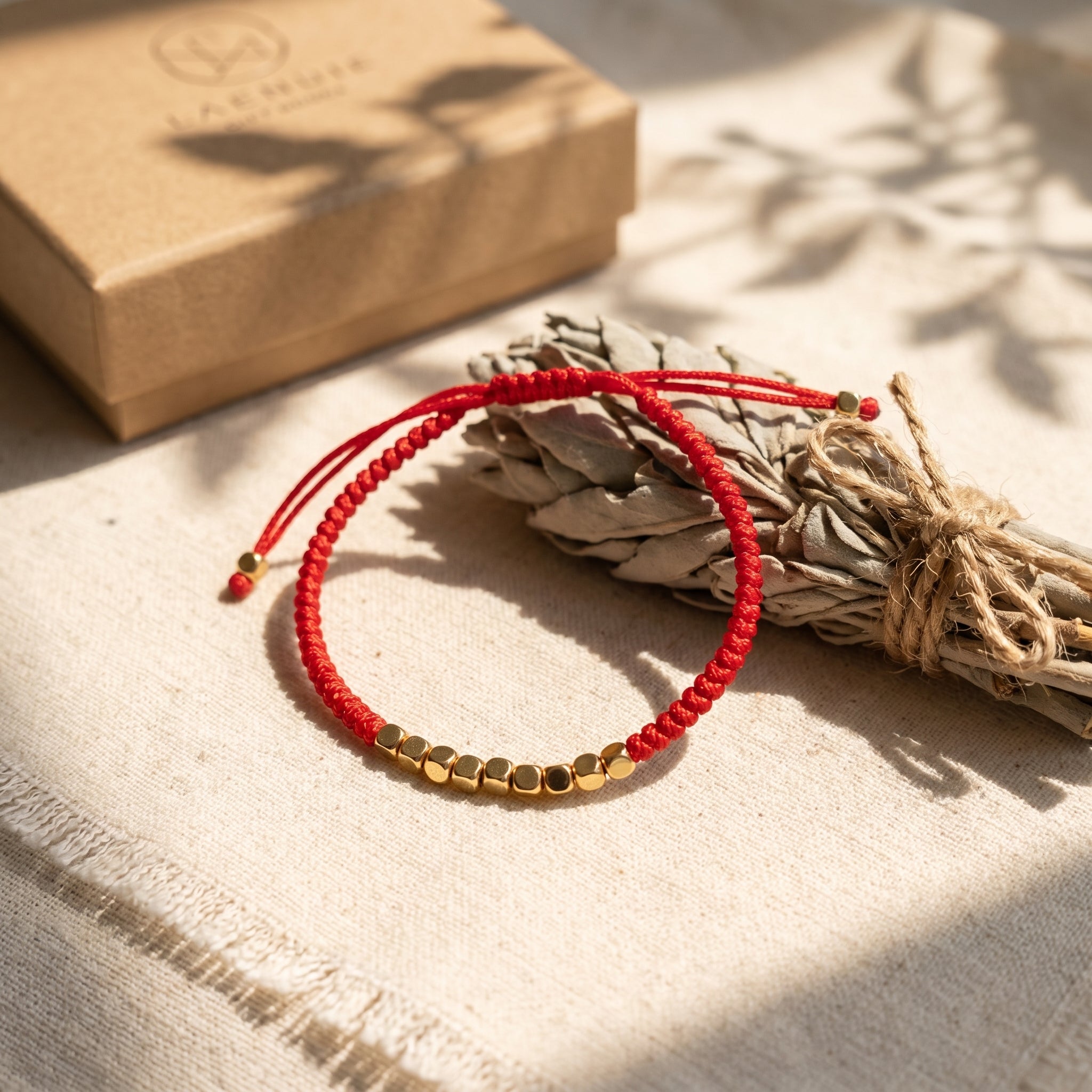
- Form: Bracelets allow constant contact; pendants align with the Third Eye; tumbled stones are ideal for pockets or meditation grids.
- Quality: Look for natural color variation and clarity — avoid overly uniform or dyed stones.
Chakra & Aura handcrafts each piece with ethically sourced stones. Explore our curated collections:


For more guidance, visit our Chakra & Aura Spiritual Jewelry Guide.
Care Guide
To preserve the energy and appearance of your purple crystals:
- Cleanse weekly with moonlight or sound (singing bowls).
- Avoid prolonged sun exposure — some purples fade.
- Store separately to prevent scratching.
- Recharge by placing on a selenite plate or near a quartz cluster.
For detailed care instructions, see our Crystal Care & Cleansing Guide.
Frequently Asked Questions
What is the purple crystal called?
The most common purple crystal is Amethyst. Other notable purple crystals include Charoite, Lepidolite, Sugilite, and Purple Fluorite.
What are purple crystal names and meanings?
Amethyst = calm and spiritual protection; Charoite = transformation; Lepidolite = emotional balance; Sugilite = heart healing; Purple Fluorite = mental clarity.
What is the purple crystal meaning and properties?
Purple crystals are traditionally associated with higher consciousness, intuition, and emotional healing. Their energy is believed to calm the mind, open the Third Eye, and support spiritual growth.
Which purple crystal is best for love and relationships?
Amethyst and Sugilite are most commonly used for love and relationships. Amethyst promotes peaceful communication, while Sugilite encourages deep emotional compassion.
Can purple crystals help with meditation and spiritual growth?
Yes. Amethyst and Purple Fluorite are widely used in meditation to quiet the mind and enhance intuition. Lepidolite helps release anxiety, making deep spiritual work more accessible.
Summary
The Chakra & Aura purple crystal guide reveals that purple crystals like Amethyst, Charoite, and Lepidolite are traditionally associated with spiritual awareness, emotional healing, and inner peace. Whether you seek a purple crystal for love and relationships or for meditation and spiritual growth, these stones offer gentle, powerful support. Choose natural, ethically sourced pieces to honor their energy — and let their quiet vibration guide your journey.
Ready to find your perfect purple crystal?
Explore Our Crystal CollectionRelated Articles
- How to Cleanse Your Crystals: A Complete Guide
- The 7 Chakras Explained: Balancing Your Energy Centers


